خرید ایبوک Corrosion Preventive Materials and Corrosion Testing
برای دانلود کتاب Corrosion Preventive Materials and Corrosion Testing بر روی کلید خرید در انتهای صفحه کلیک کنید. پس از اتصال به درگاه پرداخت و تکمیل مراحل خرید، لینک دانلود کتاب خوردگی و آزمایش خوردگی ایمیل می شود. این ایبوک در فرمت PDF اورجینال ارسال می شود.
در صورتی که نیاز به نسخه PDF هر کتابی از taylorfrancis.com دارید با ما مکاتبه کنید.
در صورتی که نیاز به دانلود هر کتابی از آمازون یا گوگل بوک دارید، فقط کافیست ادرس اینترنتی کتاب را از سایت www.amazon.com و یا books.google.com برای ما ارسال کنید (راههای ارتباطی در صفحه تماس با گیگاپیپر ). پس از بررسی، هزینه ان اعلام می شود. پس از واریز نسخه الکترونیکی ارسال می شود.
دانلود کتاب Corrosion Preventive Materials and Corrosion Testing خرید هندبوک مواد پیشگیری از خوردگی و آزمایش خوردگی
Corrosion Preventive Materials and Corrosion Testing PDF Edition
by S.K. Dhawan (Author), Hema Bhandari (Author), Gazala Ruhi (Author), Brij Mohan Singh Bisht (Author), Pradeep Sambyal (Author)
دانلود رایگان کتاب مواد پیشگیری از خوردگی و آزمایش خوردگی
برای اطمینان از کیفیت ایبوکخوردگی و آزمایش خوردگی، چند صفحه ابتدایی ان بصورت رایگان قرار داده شده است.
دانلود کتاب Corrosion Preventive Materials and Corrosion Testing
The book provides an extensive coverage of conjugated polymer based nano-composite coatings with advanced anti-corrosive properties. The book gives detailed explanation of corrosion testing methods and techniques to evaluate the corrosion resistance of the coatings. It includes elaborate discussion on classification of corrosion, electrochemistry of corrosion process, theories explaining the mechanism of corrosion and various corrosion testing standards. Electrochemical studies like open circuit potential (OCP) variation with time, potentiodynamic polarization, Electrochemical Impedance Spectroscopy (EIS) and accelerated corrosion testing are highlighted as important tools to extract information about the behavior of coatings under corrosive conditions. The book discusses epoxy-conjugated polymer based novel composite coating formulations, including aniline and o-toluidine, o-anisidine, phenetidine and pentafluoroaniline with appropriate fillers like SiO2, flyash, ZrO2 nanoparticles, and chitosan for the protection of metallic substrates. A general discussion on the self healing mechanism of epoxy-polypyrrole based biopolymer hybrid composite coatings is included in this book. This book provides a critical review on the conjugated polymer based composite coatings with superior corrosion resistance, good mechanical integrity, better adhesion properties and self healing ability under highly aggressive conditions which can be commercially used for the protection of metal substrates from corrosion.
دانلود ایبوک مواد پیشگیری از خوردگی و آزمایش خوردگی
این کتاب پوشش گسترده ای از پوشش های نانو کامپوزیت مبتنی بر پلیمر کونژوگه با خواص ضد خوردگی پیشرفته را ارائه می دهد. این کتاب توضیحات مفصلی در مورد روش ها و روش های آزمایش خوردگی برای ارزیابی مقاومت در برابر خوردگی پوشش ها ارائه می دهد. این شامل بحث مفصل در مورد طبقه بندی خوردگی ، الکتروشیمیایی فرآیند خوردگی ، نظریه های توضیح مکانیسم خوردگی و استانداردهای مختلف آزمایش خوردگی است. مطالعات الکتروشیمیایی مانند پتانسیل مدار باز (OCP) تغییر با زمان ، قطبش پتانسیودینامیکی ، طیف سنجی مقاومت به روش الکتروشیمیایی (EIS) و آزمایش خوردگی شتاب به عنوان ابزارهای مهم برای استخراج اطلاعات در مورد رفتار پوشش ها در شرایط خوردگی برجسته شده است. این کتاب در مورد فرمول های پوشش کامپوزیت رمان مبتنی بر اپوکسی ، پیرامون آنزیم و آنزیدین ، o-anisidine ، فنتیدین و پنتافلوئورانیلین با پرکننده های مناسب مانند SiO2 ، flyash ، نانوذرات ZrO2 و کیتوزان برای محافظت از بسترهای فلزی بحث کرده است. یک بحث کلی در مورد مکانیسم خوددرمانی پوششهای کامپوزیت ترکیبی بیوپلیمر مبتنی بر اپوکسی-پلی پایرلول در این کتاب گنجانده شده است. این کتاب یک بررسی انتقادی در مورد پوشش های کامپوزیتی مبتنی بر پلیمر کونژوگه با مقاومت در برابر خوردگی برتر ، یکپارچگی مکانیکی خوب ، خواص چسبندگی بهتر و توانایی بهبودی خود در شرایط بسیار تهاجمی دارد که می تواند برای محافظت از لایه های فلزی از خوردگی استفاده شود.
فهرست مطالب Corrosion Preventive Materials and Corrosion Testing
Part 1: FUNDAMENTALS OF PHYSICAL METALLURGY. 1. Introduction. 2. The Crystalline Structure of Metals. 3. Crystal Imperfections and Deformation. 4. Diffusion and Its Applications. Part 2: MICROSTRUCTURAL DEVELOPMENT. 5. Microstructural and Material Characterization. 6. Phase Diagrams. 7. Phase Transformations and Kinetics. Part 3: ENGINEERING METALLURGY AND DESIGN. 8. Mechanical Properties of Metals. 9. Strengthening Mechanisms in Metals. 10. Failure and Design. 11. Corrosion and Protection Design. 12. Ferrous Alloys. 13. Non-Ferrous Alloys. Part 4: THERMAL PROCESSING AND SURFACE ENGINEERING. 14. Recrystallization and Grain Growth. 15. Heat Treatment of Metals. 16. Surface Engineering of Metals. Answers to Selected Problems. Index.
خرید ایبوک Metallurgy for Physicists Engineers Fundamentals Applications Calculations
برای دانلود کتاب Metallurgy for Physicists Engineers Fundamentals Applications Calculations بر روی کلید خرید در انتهای صفحه کلیک کنید. پس از اتصال به درگاه پرداخت و تکمیل مراحل خرید، لینک دانلود کتاب متالورژی برای محاسبات مهندسین فیزیکدان ایمیل می شود. این ایبوک در فرمت PDF اورجینال ارسال می شود.
در صورتی که نیاز به نسخه PDF هر کتابی از taylorfrancis.com دارید با ما مکاتبه کنید.
در صورتی که نیاز به دانلود هر کتابی از آمازون یا گوگل بوک دارید، فقط کافیست ادرس اینترنتی کتاب را از سایت www.amazon.com و یا books.google.com برای ما ارسال کنید (راههای ارتباطی در صفحه تماس با گیگاپیپر ). پس از بررسی، هزینه ان اعلام می شود. پس از واریز نسخه الکترونیکی ارسال می شود.
دانلود کتاب Metallurgy for Physicists Engineers Fundamentals Applications Calculations خرید هندبوک متالورژی برای محاسبات مهندسین فیزیکدان اصول محاسبات کاربردها
Metallurgy for Physicists and Engineers: Fundamentals, Applications, and Calculations 1st Edition, Kindle Edition
by Zainul Huda (Author)
دانلود رایگان کتاب متالورژی برای محاسبات مهندسین فیزیکدان اصول محاسبات کاربردها
برای اطمینان از کیفیت ایبوکمتالورژی برای محاسبات مهندسین فیزیکدان اصول محاسبات کاربردها، چند صفحه ابتدایی ان بصورت رایگان قرار داده شده است.
دانلود کتاب Metallurgy for Physicists Engineers Fundamentals Applications Calculations
Relating theory with practice to provide a holistic understanding of the subject and enable critical thinking, this book covers fundamentals of physical metallurgy, materials science, microstructural development, ferrous and nonferrous alloys, mechanical metallurgy, fracture mechanics, thermal processing, surface engineering, and applications.
This textbook covers principles, applications, and 200 worked examples/calculations along with 70 MCQs with answers. These attractive features render this volume suitable for recommendation as a textbook of physical metallurgy for undergraduate as well as Master level programs in Metallurgy, Physics, Materials Science, and Mechanical Engineering. The text offers in-depth treatment of design against failure to help readers develop the skill of designing materials and components against failure. The book also includes design problems on corrosion prevention and heat treatments for aerospace and automotive applications. Important materials properties data are provided wherever applicable.
Aimed at engineering students and practicing engineers, this text provides readers with a deep understanding of the basics and a practical view of the discipline of metallurgy/materials technology.
دانلود ایبوک متالورژی برای محاسبات مهندسین فیزیکدان اصول محاسبات کاربردها
ارتباط این تئوری با عمل به منظور ارائه یک درک جامع از موضوع و فعال کردن تفکر انتقادی ، این کتاب شامل اصول فلزکاری جسمی ، علوم مواد ، توسعه ریزساختاری ، آلیاژهای آهنی و غیر آهنی ، متالورژی مکانیکی ، مکانیک شکستگی ، پردازش حرارتی ، مهندسی سطح و کاربردها است. .
این کتاب درسی شامل اصول ، برنامه ها و 200 نمونه / محاسبه کار شده به همراه 70 MCQ با پاسخ است. این ویژگی های جذاب این جلد را به عنوان کتاب درسی از متالورژی فیزیکی برای کارشناسی و همچنین برنامه های سطح کارشناسی ارشد در متالورژی ، فیزیک ، علوم مواد و مهندسی مکانیک مناسب می کند. متن ارائه می دهد عمیق از طراحی در برابر عدم کمک به خوانندگان در توسعه مهارت طراحی مواد و مؤلفه ها در برابر شکست. این کتاب همچنین شامل مشکلات طراحی در زمینه جلوگیری از خوردگی و عملیات حرارتی برای هوافضا و کاربردهای خودرو است. داده های مهم در مورد خصوصیات مواد در هر کجا قابل استفاده است.
این متن با هدف دانشجویان مهندسی و مهندسین عملی ، درک عمیقی از اصول و دیدگاه عملی از رشته متالورژی / فناوری مواد را در اختیار خوانندگان قرار می دهد.
فهرست مطالب Metallurgy for Physicists Engineers Fundamentals Applications Calculations
Part 1: FUNDAMENTALS OF PHYSICAL METALLURGY. 1. Introduction. 2. The Crystalline Structure of Metals. 3. Crystal Imperfections and Deformation. 4. Diffusion and Its Applications. Part 2: MICROSTRUCTURAL DEVELOPMENT. 5. Microstructural and Material Characterization. 6. Phase Diagrams. 7. Phase Transformations and Kinetics. Part 3: ENGINEERING METALLURGY AND DESIGN. 8. Mechanical Properties of Metals. 9. Strengthening Mechanisms in Metals. 10. Failure and Design. 11. Corrosion and Protection Design. 12. Ferrous Alloys. 13. Non-Ferrous Alloys. Part 4: THERMAL PROCESSING AND SURFACE ENGINEERING. 14. Recrystallization and Grain Growth. 15. Heat Treatment of Metals. 16. Surface Engineering of Metals. Answers to Selected Problems. Index.
خرید ایبوک Metal fatigue effects of small defects and nonmetallic inclusions 2nd 2019
برای دانلود کتاب Metal fatigue effects of small defects and nonmetallic inclusions نسخه دوم سال 2019 بر روی کلید خرید در انتهای صفحه کلیک کنید. پس از اتصال به درگاه پرداخت و تکمیل مراحل خرید، لینک دانلود کتاب اثرات خستگی فلزی نقص های کوچک و اجزاء غیر فلزی نسخه دوم ایمیل می شود. این ایبوک در فرمت PDF اورجینال بلافاصله ارسال می شود.
در صورتی که نیاز به نسخه PDF هر کتابی از sciencedirect.com دارید با ما مکاتبه کنید.
در صورتی که نیاز به دانلود هر کتابی از آمازون یا گوگل بوک دارید، فقط کافیست ادرس اینترنتی کتاب را از سایت www.amazon.com و یا books.google.com برای ما ارسال کنید (راههای ارتباطی در صفحه تماس با گیگاپیپر ). پس از بررسی، هزینه ان اعلام می شود. پس از واریز نسخه الکترونیکی ارسال می شود.
دانلود کتاب Metal fatigue effects of small defects and nonmetallic inclusions 2nd 2019 خرید هندبوک خستگی فلزات
Metal Fatigue: Effects of Small Defects and Nonmetallic Inclusions 2nd Edition, Kindle Edition
by Yukitaka Murakami (Author)
برای اطمینان از کیفیت ایبوک اثرات خستگی فلزی نقص های کوچک و اجزاء غیر فلزی چاپ دوم، چند صفحه ابتدایی ان بصورت رایگان قرار داده شده است.
دانلود کتاب Metal fatigue effects of small defects and nonmetallic inclusions نسخه دوم 2019
Metal fatigue is an essential consideration for engineers and researchers looking at factors that cause metals to fail through stress, corrosion, or other processes. Predicting the influence of small defects and non-metallic inclusions on fatigue with any degree of accuracy is a particularly complex part of this.
Metal Fatigue: Effects of Small Defects and Nonmetallic Inclusions is the most trusted, detailed and comprehensive guide to this subject available. This expanded second edition introduces highly important emerging topics on metal fatigue, pointing the way for further research and innovation. The methodology is based on important and reliable results and may be usefully applied to other fatigue problems not directly treated in this book.
Demonstrates how to solve a wide range of specialized metal fatigue problems relating to small defects and non-metallic inclusions.
Provides a detailed introduction to fatigue mechanisms and stress concentration.
This edition is expanded to address even more topics, including low cycle fatigue, quality control of fatigue components, and more.
دانلود ایبوک اثرات خستگی فلزی نقص های کوچک و اجزاء غیر فلزی نسخه دوم
خستگی فلز برای مهندسین و محققان به عواملی که باعث از بین رفتن فلزات در اثر استرس ، خوردگی یا سایر فرایندها می شوند ، توجه اساسی دارد. پیش بینی تأثیر نواقص کوچک و اجزاء غیر فلزی بر خستگی با هر درجه صحت ، بخش خاصی از این مسئله است.
خستگی فلزی: اثرات نقص های کوچک و اجزاء غیر فلزی مطمئن ترین راهنمای دقیق و جامع در مورد این موضوع در دسترس است. این نسخه دوم گسترده مباحث ظهور بسیار مهمی در مورد خستگی فلزات را معرفی می کند ، و راه برای تحقیقات بیشتر و نوآوری را نشان می دهد. این روش مبتنی بر نتایج مهم و قابل اعتماد است و ممکن است برای سایر مشکلات خستگی که به طور مستقیم در این کتاب درمان نشده اند ، مفید واقع شود.
نشان می دهد که چگونه برای حل طیف گسترده ای از مشکلات تخصصی خستگی فلز مربوط به نقص کوچک و اجزاء غیر فلزی.
معرفی مفصلی در مورد مکانیسم های خستگی و غلظت استرس ارائه می دهد.
این نسخه برای پرداختن به مباحث حتی بیشتر ، از جمله خستگی در چرخه پایین ، کنترل کیفیت اجزای خستگی ، و موارد دیگر گسترش یافته است.
فهرست مطالب Metal fatigue effects of small defects and nonmetallic inclusions 2nd 2019
Front Cover
Metal Fatigue: Effects of Small Defects and Nonmetallic Inclusions
Copyright Page
Contents
Preface to the second edition
Preface to the first edition
1 Mechanism of fatigue in the absence of defects and inclusions
1.1 What is a fatigue limit?
1.1.1 Steels
1.1.2 Nonferrous metals
1.2 Relationship between static strength and fatigue strength
References
2 Stress concentration
2.1 Stress concentrations at holes and notches
2.2 Stress concentration at a crack
2.2.1 ‘area’ as a new geometrical parameter
2.2.2 Effective ‘area’ for particular cases
2.2.3 Cracks at stress concentrations
2.2.4 Interaction between two cracks
2.2.5 Interaction between a crack and a free surface
References
3 Notch effect and size effect
3.1 Notch effect
3.1.1 Effect of stress distribution at notch roots
3.1.2 Nonpropagating cracks at notch roots
3.2 Size effect
References
4 Effect of size and geometry of small defects on the fatigue limit
4.1 Introduction
4.2 Influence of extremely shallow notches or extremely short cracks
4.3 Fatigue tests on specimens containing small artificial defects
4.3.1 Effect of small artificial holes having the diameter d equal to the depth h
4.3.2 Effect of small artificial holes having different diameters and depths
4.4 Critical stress for fatigue crack initiation from a small crack
References
5 Effect of hardness HV on fatigue limits of materials containing defects, and fatigue limit prediction equations
5.1 Relationship between ΔKth and the geometrical parameter, area
5.2 Material parameter HV which controls fatigue limits
5.3 Application of the prediction equations
5.4 Limits of applicability of the prediction equations
5.5 The importance of the finding that specimens with an identical value of area for small holes or small cracks have ident…
5.6 Effect of orientation of small defects on the fatigue limit of steels
5.7 Fatigue limit prediction for a small defect at a notch root
5.8 Summary of the area parameter model
References
6 Effects of nonmetallic inclusions on fatigue strength
6.1 Review of existing studies and current problems
6.1.1 Correlation of material cleanliness and inclusion rating with fatigue strength
6.1.2 Size and location of inclusions and fatigue strength
6.1.3 Mechanical properties of microstructure and fatigue strength
6.1.4 Influence of nonmetallic inclusions related to the direction and mode of loading
6.1.5 Inclusion problem factors
6.2 Similarity of effects of nonmetallic inclusions and small defects and a unifying interpretation
6.3 Quantitative evaluation of effects of nonmetallic inclusions: strength prediction equations and their application
6.4 Causes of fatigue strength scatter for high-strength steels and scatter band prediction
6.5 Effect of mean stress
6.5.1 Quantitative evaluation of the mean stress effect on fatigue of materials containing small defects
6.5.2 Effects of both nonmetallic inclusions and mean stress in hard steels
6.5.3 Prediction of the lower bound of scatter and its application
6.6 Estimation of maximum inclusion size areamax by microscopic examination of a microstructure
6.6.1 Measurement of areamax for largest inclusions by optical microscopy
6.6.2 True and apparent maximum sizes of inclusions
6.6.3 Two-dimensional prediction method for largest inclusion size and evaluation by numerical simulation
References
7 Bearing steels
7.1 Influence of steel processing
7.2 Inclusions at fatigue fracture origins
7.3 Cleanliness and fatigue properties
7.3.1 Total oxygen (O) content
7.3.2 Ti content
7.3.3 Ca content
7.3.4 Sulphur (S) content
7.4 Fatigue strength of superclean bearing steels and the role of nonmetallic inclusions
7.5 Tessellated stresses associated with inclusions: thermal residual stresses around inclusions
7.6 What happens to the fatigue limit of bearing steels without nonmetallic inclusions?—Fatigue strength of electron beam r…
7.6.1 Material and experimental procedure
7.6.2 Inclusion rating based on the statistics of extremes
7.6.3 Fatigue test results
7.6.4 The true character of small inhomogeneities at fracture origins
References
8 Spring steels
8.1 Spring steels (SUP12) for automotive components
8.2 Explicit analysis of nonmetallic inclusions, shot peening, decarburised layers, surface roughness, and corrosion pits i…
8.2.1 Materials and experimental procedure
8.2.2 Interaction of factors influencing fatigue strength
8.2.2.1 Effect of shot peening
8.2.2.2 Effects of nonmetallic inclusions and corrosion pits
8.2.2.3 Prediction of scatter in fatigue strength using the statistics of extreme
8.3 Mechanism of creation of residual stress by shot peeing: a typical misconception and reality
8.3.1 Materials and method of experiment
8.3.1.1 Drop shot of a steel ball
8.3.2 Residual stress by a single shot
8.3.3 Superposition of residual stresses by the second shot
8.3.4 Residual stresses by multiple shots
8.3.5 Rotating-bending fatigue test of a specimen after a single shot
References
9 Tool steels: effect of carbides
9.1 Low-temperature forging and microstructure
9.2 Static strength and fatigue strength
9.3 Relationship between carbide size and fatigue strength
References
10 Effects of shape and size of artificially introduced alumina particles on 1.5Ni–Cr–Mo (En24) steel
10.1 Artificially introduced alumina particles with controlled sizes and shapes, specimens and test stress
10.2 Rotating bending fatigue tests without shot peening
10.3 Rotating bending fatigue tests on shot-peened specimens
10.4 Tension compression fatigue tests
References
11 Nodular cast iron and powder metal
11.1 Introduction
11.2 Fatigue strength prediction of nodular cast irons by considering graphite nodules to be equivalent to small defects
11.3 Parameters to be considered for fatigue limit predictions
11.3.1 Nature of fatigue limit of NCI
11.3.2 Fatigue limit prediction method for NCI specimens containing small defects
11.3.3 Prediction of the fatigue limit of smooth specimens and the influence of microshrinkage cavities
11.4 Powder metal: effects of pores and microstructures
11.4.1 Materials and experimental procedures
11.4.2 Microstructure
11.4.3 Fatigue cracks
11.4.4 Effect of the size of Fe particles on fatigue strength
References
12 Influence of Si-phase on fatigue properties of aluminium alloys
12.1 Materials, specimens and experimental procedure
12.2 Fatigue mechanism
12.2.1 Continuously cast material
12.2.2 Extruded material
12.2.3 Fatigue behaviour of specimens containing an artificial hole
12.3 Mechanisms of ultralong fatigue life
12.4 Low-cycle fatigue
12.4.1 Fatigue mechanism
12.4.2 Continuously cast material
12.4.3 Extruded material
12.4.4 Comparison with high-cycle fatigue
12.4.5 Cyclic property characterisation
12.5 Summary
References
13 Ti alloys
13.1 General nature of fatigue fracture origin in Ti alloys
13.2 Very high cycle fatigue (VHCF) properties of Ti–6Al–4V alloy
13.3 Effects of notches and burrs on high cycle fatigue of Ti–6Al–4V
13.3.1 Introduction
13.3.2 Test specimen and experimental method for notch effect test
13.3.3 Fatigue limit and the area parameter model
13.3.4 Crack initiation and nonpropagating cracks
13.3.5 Effect of a burr beside a drilled hole
References
14 Torsional fatigue
14.1 Introduction
14.2 Effect of small artificial defects on torsional fatigue strength
14.2.1 Ratio of torsional fatigue strength to bending fatigue strength
14.2.2 The state of nonpropagating cracks at the torsional fatigue limit
14.2.3 Torsional fatigue of high carbon Cr bearing steel
14.3 Effects of small cracks
14.3.1 Material and test procedures
14.3.2 Fatigue test results
14.3.3 Crack initiation and propagation from precracks
14.3.4 Fracture mechanics evaluation of the effect of small cracks on torsional fatigue
14.3.5 Prediction of torsional fatigue limit by the area parameter model
References
15 The mechanism of fatigue failure in the very high cycle fatigue (VHCF) life regime of N>107 cycles
15.1 Mechanism of elimination of conventional fatigue limit: influence of hydrogen trapped by inclusions
15.1.1 Method of data analysis
15.1.2 Material, specimens and experimental method
15.1.3 Distribution of residual stress and hardness
15.1.4 Fracture origins
15.1.5 S–N curves
15.1.6 Details of fracture surface morphology and influence of hydrogen
15.2 Fractographic investigation
15.2.1 Measurement of surface roughness
15.2.2 The outer border of a fish eye
15.2.3 Crack growth rate and fatigue life
15.3 Conclusions when the first edition of this book was published
15.4 Mechanism of very high cycle fatigue (VHCF) and fatigue design
15.4.1 Mechanics of small cracks and VHCF
15.4.2 Interpretation of VHCF data and mechanism of elimination of fatigue threshold
15.4.2.1 Effect of fatigue testing method and specimen size on VHCF strength
15.4.2.2 Nature of VHCF: effect of hydrogen trapped by nonmetallic inclusions
15.4.3 Mechanism of fatigue failure originating at nonmetallic inclusions and fatigue life prediction models
15.4.3.1 Models and the role of fatigue design engineers: how can we predict the fatigue strength and fatigue life for VHCF?
15.4.3.2 Fracture surface morphology
15.4.3.3 Master curve of the growth of ODA
15.4.3.4 Mechanism-inside-ODAs
15.4.3.5 Dependence of threshold stress intensity of an ODA (small crack) on crack size and the mechanism-outside-an ODA
15.4.4 Fatigue life prediction model
15.4.4.1 Fatigue life prediction model based on the mechanism-inside-the ODA
15.4.4.2 Fatigue crack growth law based on the mechanism-outside the-ODA
15.4.5 Applications to fatigue life prediction
15.4.6 Summary and perspectives
15.5 Statistical nature of VHCF failure at facets
References
16 Effect of surface roughness on fatigue strength
16.1 Introduction
16.2 Material and experimental procedure
16.2.1 Material
16.2.2 Introduction of artificial surface roughness and of a single notch
16.2.3 Measurement of hardness and surface roughness
16.3 Results and discussion
16.3.1 Results of fatigue tests
16.3.2 Quantitative evaluation by the area parameter model
16.3.2.1 Geometrical parameter to evaluate the effect of surface roughness on fatigue strength
16.3.2.2 Evaluation of equivalent defect size for roughness areaR
16.4 Guidance for fatigue design engineers
16.5 Effect of surface scratch in torsional fatigue of spring steel
16.5.1 Experiment
16.5.2 Fatigue strength of smooth specimens
16.5.3 Effects of scratches on the fatigue strength
References
17 Martensitic stainless steels
17.1 Materials and experimental procedure
17.2 Influence of inherent defects on the fatigue strength
17.2.1 Fatigue tests on smooth specimens with failure from nonmetallic inclusion
17.2.2 Estimation of the lower bound of the fatigue limit using the statistics of extremes
17.3 Influence of various types of small defects on the fatigue strength
17.3.1 Test results on precipitation hardened 17-4PH stainless steel
17.3.2 Test results on martensitic 12% Cr stainless steel X20Cr13
17.3.3 Test results for martensitic 12% Cr stainless steel AISI403
17.4 Effect of mean stress
17.4.1 Quantitative evaluation of the mean stress effect for 17-4PH steel
17.4.2 Quantitative evaluation of the mean stress effect of AISI403 steel
References
18 Additive manufacturing: effects of defects
18.1 Ti–6Al–4V
18.2 Tests, results and discussion for Ti–6Al–4V
18.3 Nickel-based superalloy 718
18.4 Tests, results and discussion for nickel-based superalloy 718
18.5 Summary and perspectives
18.5.1 Defects
18.5.2 Goal to ideal fatigue strength
18.5.3 Standardisation of defect size
18.5.4 Surface effect
18.5.5 Quality control of AM components
References
Appendix A: High probability of fatigue fracture from surface defects due to difference of stress intensity factor for surfa…
19 Fatigue threshold in Mode II and Mode III, ΔKIIth and ΔKIIIth, and small crack problems
19.1 Method of measurement for ΔKIIth
19.1.1 Basic model
19.1.2 Experimental method
19.2 Results and discussion
19.2.1 Variation of electric potential
19.2.2 Fracture surfaces
19.2.3 Relationship between da/dN and ΔKII
19.2.4 The values of ΔKIIth for various steels
19.3 Fatigue crack growth mechanism under Mode III loadings: measurement of ΔKIIIth
19.3.1 Material and test method for Mode III fatigue crack growth
19.3.2 Fatigue crack growth mechanism under Mode III loading
19.3.2.1 Relationship between the threshold stress intensity factor ranges under Mode II (ΔKIIth) and Mode III (ΔKIIIth) lo…
19.3.3 Crack path and mechanism of factory-roof formation under Mode III loading
19.4 Mutual relationship of ΔKIth, ΔKIIth and ΔKIIIth and mechanism of factory-roof morphology: summary
19.5 Mode II threshold stress intensity factors ΔKIIth and ΔKIIIth for small cracks: crack size dependence
19.5.1 Test method for investigating shear-mode fatigue crack threshold in hard steels
19.5.2 Effect of crack-face interference on ΔKIIth
19.5.3 Crack size dependence for ΔKIIth
19.5.4 Approximate expression of stress intensity factor for shear-mode crack by means of area
19.5.5 Estimation of the threshold SIF ranges, ΔKτth by means of the area parameter model
19.5.6 The influence of static crack-opening stress on the threshold SIF for shear-mode fatigue crack growth
19.6 Effect of crack branching on fatigue life and the reason for unsuccessful results of Miner’s rule in mixed-mode fatigue
19.6.1 Experimental procedure
19.6.2 Reversed torsion and combined push–pull/torsion fatigue tests
19.6.2.1 Sequential-fatigue tests
19.6.2.2 Crack path under reversed torsion and combined push–pull/torsion
19.6.2.3 Effects of loading sequence on fatigue crack paths
19.6.2.3.1 Cumulative fatigue damage
19.6.2.3.2 Crack path in sequential-fatigue tests
19.6.2.3.3 Crack propagation curves and fracture mechanics evaluation
19.6.2.3.4 Fractography
References
20 Contact fatigue
20.1 Nature of rolling contact fatigue
20.2 Experimental and fracture mechanics study of the pit formation mechanism under repeated lubricated rolling–sliding con…
20.2.1 Experimental method
20.2.2 Experimental results
20.2.3 Fracture mechanics analysis
20.3 Role of inclusions, surface roughness and operating conditions on rolling contact fatigue
20.4 Examples of contact fatigue failures and their interpretation from the viewpoint of the rolling contact fatigue experiment
20.4.1 Dark-spot defects in railway rails
20.4.2 Fracture originating from subsurface nonmetallic inclusions in railway rails
20.4.3 Spalling of steel making backup rolls
20.4.4 Spalling of steel making work roll
20.5 Rolling contact fatigue strength of bearing steel analysed as small crack problems
References
21 Hydrogen embrittlement
21.1 Effect of hydrogen on loss of ductility in tensile tests
21.2 Effects of hydrogen charge on the formation of cyclic slip bands in fatigue of annealed carbon steels
21.2.1 Materials, specimens and experimental methods
21.2.2 Effects of hydrogen on slip band morphology and crack initiation near the fatigue limit stress
21.3 Effects of hydrogen charge on the mechanism of fatigue crack growth of low-strength steels
21.3.1 Fatigue crack growth behaviour of a pipeline steel
21.4 Effect of hydrogen on fatigue behaviour of a Cr–Mo steel SCM435
21.5 Effect of hydrogen on fatigue behaviour of austenitic stainless steels
21.5.1 Basic parameters: hydrogen content, diffusion coefficient, fatigue crack growth and test frequency
21.5.2 What happens if nondiffusible hydrogen is removed by a special heat treatment?
21.5.3 Hydrogen-induced striation formation mechanism
21.5.4 Case study: dispenser hose fatigue failure at a hydrogen station
21.5.5 Hydrogen effect against hydrogen embrittlement
21.6 Hydrogen embrittlement of other materials
21.6.1 High-strength steels
21.6.2 Aluminium alloys
References
22 A new nonmetallic inclusion rating method by the positive use of the hydrogen embrittlement phenomenon
22.1 Introduction
22.2 Materials and experimental methods
22.2.1 Materials and specimens
22.2.2 Hydrogen-precharged method (H-precharged method)
22.2.3 Nonmetallic inclusion rating by tensile testing with hydrogen-precharged specimen: HE method
22.2.4 Nonmetallic inclusion rating by fatigue testing
22.2.5 Nonmetallic inclusion rating methods using an optical microscope
22.2.6 Size measurement and identification of inclusions
22.3 Results and discussion
22.3.1 Inclusion rating by the hydrogen embrittlement method
22.3.1.1 Case I: SAE52100 steel
22.3.1.2 Case II: ASTM-A485-1 Steel
22.3.1.3 Case III: SAE5160 steel
22.3.1.4 Mechanism of crack initiation from inclusions for uncharged specimens and H-precharged specimens
22.3.2 Inclusion rating method by fatigue test using SAE52100 steel
22.3.3 Inclusion rating method by optical microscopy
22.3.4 Inclusion inspection method in the case of bilinear statistics of extremes
22.4 Summary and perspective
22.4.1 Summary
22.4.2 Perspective
References
23 What is fatigue damage? A viewpoint from the observation of a low-cycle fatigue process
23.1 Introduction
23.2 Fatigue damage in low-cycle fatigue and the behaviour of small cracks
23.2.1 Material and test procedure
23.2.2 Experimental results and discussion
23.2.2.1 Fatigue failure lives of plain and holed specimens
23.2.2.2 Crack growth life of plain and holed specimens
23.2.2.3 Relationship between the microcrack growth law and the Coffin–Manson expression
23.2.2.4 Effect of prior cyclic stress or strain history on subsequent crack growth rate
23.2.2.5 The applicability of the Palmgren–Miner cumulative damage rule
23.3 Ductility loss during the fatigue process
23.3.1 Effects of small surface cracks on ductility loss during low-cycle fatigue
23.3.2 Material and test procedure
23.3.3 Results and discussion
23.3.3.1 Changes in mechanical properties due to reversals of plastic strain
23.3.3.2 The main cause of ductility loss due to plastic strain cycling
23.3.3.3 Morphology of the tensile fracture surface
23.4 Experimental conclusions
23.5 Summary in terms of the correlation among fatigue damage, small cracks, Coffin–Manson law and ductility loss
References
24 Quality control of mass production components based on defect analysis
24.1 Introduction
24.2 The importance of prediction of the extreme value based on the statistics of extremes
24.3 Prevention method for recalls
24.3.1 How to find the cause of failure and the method of statistics extremes analysis
24.3.2 Statistics of extremes data of defects as failure cause and its applications to fatigue design
24.3.3 Practical applications to design and quality control based on the statistics of extremes
24.3.3.1 Example 1: Fatigue design of Al cast components
24.3.3.2 Example 2: Applications to the scroll compressor components for car air conditioners
24.3.3.3 Example 3: Very high cycle fatigue strength design of traction drive half toroidal continuously variable transmission
24.3.3.4 Example 4: Case study of engine valve spring
24.4 Basic concept and guide for the application of the statistics of extremes method
24.4.1 What is the appropriate parameter?
24.4.2 Reconsideration of the stress–strength model
24.4.3 Applications to large-scale but a small number of production machinery
24.5 Conclusions
References
Appendix: Definition of the control volume as the potential risk volume under high applied stress
Appendix A: Instructions for a new method of inclusion rating and correlations with the fatigue limit
A.1 Background of extreme value theory and data analysis
A.2 Simple procedure for extreme value inclusion rating
A.3 Prediction of the maximum inclusion
A.4 Prediction of areamax of inclusions expected to be contained in a volume
A.5 Method for estimating the prediction volume (or control volume)
A.5.1 Plate bending
A.5.2 Rotating bending loading
A.5.3 Tension–compression loading
A.6 Prediction of the lower limit (lower bound) of the fatigue strength
A.7 The comparison of predicted lower bound of the scatter in fatigue strength of a medium carbon steel with rotating bendi…
A.7.1 Construction of a graph of the statistics of extremes
A.7.2 Prediction of the lower bound of the scatter in fatigue strength
A.8 Optimisation of extreme value inclusion rating
A.9 Recent developments in statistical analysis and its perspectives
References
Appendix B: Database of statistics of extreme values of inclusion size areamax
Appendix C: Probability sheets of statistics of extremes
Index
Back Cover
برای دانلود استاندارد ACI SP-335 و خرید آیین نامه ACI SP-335 Nanotechnology for Improved Concrete Performance (The Concrete Convention and Exposition, October 23-27, 2016, Philadelphia, PA, USA) بر روی کلید خرید در انتهای صفحه کلیک کنید. پس از اتصال به درگاه پرداخت و تکمیل مراحل خرید، لینک دانلود ایمیل می شود. این استاندارد در فرمت PDF ارسال می شود. توجه کنید که نسخه استاندارد 2019 می باشد.
کلیه استانداردهای ACI موسسه بتن آمریکا American Concrete Institute موجود است. برای دریافت PDF استاندارد، شماره استاندارد مورد نظر را برای ما ارسال کنید.
در صورتی که نیاز به دانلود هر استانداردی از IHS و یا techstreet دارید، فقط کافیست ادرس اینترنتی استاندارد را از سایت http://techstreet.com و یا https://global.ihs.com برای ما ارسال کنید (راههای ارتباطی در صفحه تماس با گیگاپیپر ). پس از بررسی، هزینه ان اعلام می شود. پس از واریز نسخه الکترونیکی ارسال می شود.
دانلود استاندارد ACI SP-335 آیین نامه بتن آمریکا خرید استاندارد ACI SP-335 Nanotechnology for Improved Concrete Performance (The Concrete Convention and Exposition, October 23-27, 2016, Philadelphia, PA, USA)
ACI SP-335
ACI SP-335 Nanotechnology for Improved Concrete Performance (The Concrete Convention and Exposition, October 23-27, 2016, Philadelphia, PA, USA)
standard by American Concrete Institute, 09/01/2019
برای اطمینان از کیفیت فایل استاندارد ACI SP-335، چند صفحه ابتدایی ان بصورت رایگان قرار داده شده است.
ACI SP-335
ACI SP-335 Nanotechnology for Improved Concrete Performance (The Concrete Convention and Exposition, October 23-27, 2016, Philadelphia, PA, USA)
standard by American Concrete Institute, 09/01/2019
درباره استاندارد ACI SP-335
Many of the papers presented in this volume were included in the two-part session Nanotechnology for Improved Concrete Performance, sponsored by ACI Committee 241, Nanotechnology of Concrete at the ACI Convention in Philadelphia, PA, on October 26, 2016. In line with the practice and requirements of the American Concrete Institute, peer review, followed by appropriate response and revision by authors, has been implemented.
دانلود آیین نامه ACI SP-335 دانلود ACI SP-335 Nanotechnology for Improved Concrete Performance (The Concrete Convention and Exposition, October 23-27, 2016, Philadelphia, PA, USA)
Published: 09/01/2019
ISBN(s): 9781641950763
Number of Pages: 152
File Size: 1 file , 11 MB
دانلود استاندارد ACI SP-335 فناوری نانو ACI SP-335 برای عملکرد بتن بهبود یافته (کنوانسیون و نمایشگاه بتن ، 23-27 اکتبر 2016 ، فیلادلفیا ، پنسیلوانیا ، ایالات متحده)
بسیاری از مقالات ارائه شده در این دوره در جلسه دو بخشی نانوتکنولوژی برای عملکرد بتن بهبود یافته ، با حمایت مالی کمیته ACI 241 ، نانوتکنولوژی بتن در کنوانسیون ACI در فیلادلفیا ، پنسیلوانیا ، در تاریخ 26 اکتبر 2016 ، مطابق با عمل و الزامات مؤسسه بتن آمریكا ، بررسی همتا و پس از آن پاسخ و بازبینی مناسب توسط نویسندگان ، انجام شده است.
برای دانلود استاندارد ACI SP-334 و خرید آیین نامه Sustainable Concrete with Beneficial Byproducts (The Concrete Convention and Exposition, October 15-19, 2017, Anaheim CA, USA) بر روی کلید خرید در انتهای صفحه کلیک کنید. پس از اتصال به درگاه پرداخت و تکمیل مراحل خرید، لینک دانلود ایمیل می شود. این استاندارد در فرمت PDF ارسال می شود. توجه کنید که نسخه استاندارد 2019 می باشد.
کلیه استانداردهای ACI موسسه بتن آمریکا American Concrete Institute موجود است. برای دریافت PDF استاندارد، شماره استاندارد مورد نظر را برای ما ارسال کنید.
در صورتی که نیاز به دانلود هر استانداردی از IHS و یا techstreet دارید، فقط کافیست ادرس اینترنتی استاندارد را از سایت http://techstreet.com و یا https://global.ihs.com برای ما ارسال کنید (راههای ارتباطی در صفحه تماس با گیگاپیپر ). پس از بررسی، هزینه ان اعلام می شود. پس از واریز نسخه الکترونیکی ارسال می شود.
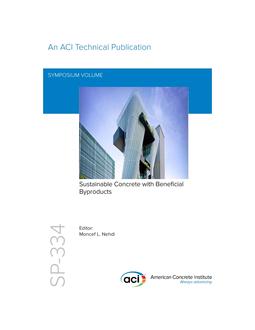
دانلود استاندارد ACI SP-334 آیین نامه بتن آمریکا خرید استاندارد Sustainable Concrete with Beneficial Byproducts (The Concrete Convention and Exposition, October 15-19, 2017, Anaheim CA, USA)
ACI SP-334
Sustainable Concrete with Beneficial Byproducts (The Concrete Convention and Exposition, October 15-19, 2017, Anaheim CA, USA)
standard by American Concrete Institute, 09/01/2019
برای اطمینان از کیفیت فایل استاندارد ACI SP-334، چند صفحه ابتدایی ان بصورت رایگان قرار داده شده است.
ACI SP-334
Sustainable Concrete with Beneficial Byproducts (The Concrete Convention and Exposition, October 15-19, 2017, Anaheim CA, USA)
standard by American Concrete Institute, 09/01/2019
درباره استاندارد ACI SP-334
To improve the eco-efficiency and sustainability of concrete, the cement and concrete industry can exploit many byproducts in applications that could, in some cases, outperform conventional materials made with traditional ingredients. This Special Publication of the American Concrete Institute Committee 555 (Concrete with Recycled Materials) is a contribution towards improving the sustainability of concrete via using recycled materials, such as scrap tire rubber and tire steel wire fiber, GFRP waste, fluff, reclaimed asphalt pavements, recycled latex paint, and recycled concrete aggregate. Advancing knowledge in this area should introduce the use of recycled materials in concrete for applications never considered before, while achieving desirable performance criteria economically, without compromising the quality and long-term performance of the concrete civil infrastructure.
دانلود آیین نامه ACI SP-334 دانلود Sustainable Concrete with Beneficial Byproducts (The Concrete Convention and Exposition, October 15-19, 2017, Anaheim CA, USA)
Published:
10/01/2019
ISBN(s):
9781641950787
Number of Pages:
182
File Size:
1 file , 14 MB
دانلود استاندارد ACI SP-334 پیشرفت در پل های بتنی: طراحی ، ساخت و ساز ، ارزیابی و توانبخشی (کنوانسیون و نمایشگاه بتن
برای بهبود کارآیی اقتصادی و پایداری بتن ، صنعت سیمان و بتن می توانند از بسیاری از فرآورده های جانبی در برنامه های کاربردی استفاده کنند که در بعضی موارد می تواند از مواد متعارف ساخته شده با مواد سنتی فراتر رود. این انتشار ویژه کمیته موسسه بتن 555 آمریکا (بتن با مواد بازیافتی) کمک به بهبود پایداری بتن از طریق استفاده از مواد بازیافتی ، مانند لاستیک ضایعات قراضه و الیاف سیم فولادی تایر ، ضایعات GFRP ، کرک ، روکش آسفالت احیا شده ، رنگ لاتکس بازیافتی ، و مصالح بتن بازیافت شده. پیشرفت دانش در این زمینه باید استفاده از مواد بازیافت شده در بتن را برای کاربردهایی که قبلاً در نظر گرفته نشده بود ، ضمن دستیابی به معیارهای عملکرد مطلوب از نظر اقتصادی ، بدون به خطر انداختن کیفیت و عملکرد بلند مدت زیرساختهای عمرانی بتن معرفی کنید.
برای دانلود استاندارد ACI SP-333 و خرید آیین نامه Advances in Concrete Bridges: Design, Construction, Evaluation, and Rehabilitation (The Concrete Convention and Exposition, March 25-29, 2018, Salt Lake City, UT, USA) بر روی کلید خرید در انتهای صفحه کلیک کنید. پس از اتصال به درگاه پرداخت و تکمیل مراحل خرید، لینک دانلود ایمیل می شود. این استاندارد در فرمت PDF ارسال می شود. توجه کنید که نسخه استاندارد 2019 می باشد.
کلیه استانداردهای ACI موسسه بتن آمریکا American Concrete Institute موجود است. برای دریافت PDF استاندارد، شماره استاندارد مورد نظر را برای ما ارسال کنید.
در صورتی که نیاز به دانلود هر استانداردی از IHS و یا techstreet دارید، فقط کافیست ادرس اینترنتی استاندارد را از سایت http://techstreet.com و یا https://global.ihs.com برای ما ارسال کنید (راههای ارتباطی در صفحه تماس با گیگاپیپر ). پس از بررسی، هزینه ان اعلام می شود. پس از واریز نسخه الکترونیکی ارسال می شود.
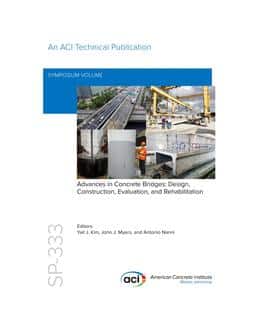
دانلود استاندارد ACI SP-333 آیین نامه بتن آمریکا خرید استاندارد Advances in Concrete Bridges: Design, Construction, Evaluation, and Rehabilitation (The Concrete Convention and Exposition, March 25-29, 2018, Salt Lake City, UT, USA)
ACI SP-333
Advances in Concrete Bridges: Design, Construction, Evaluation, and Rehabilitation (The Concrete Convention and Exposition, March 25-29, 2018, Salt Lake City, UT, USA)
standard by American Concrete Institute, 10/01/2019
برای اطمینان از کیفیت فایل استاندارد ACI SP-333، چند صفحه ابتدایی ان بصورت رایگان قرار داده شده است.
ACI SP-333
Advances in Concrete Bridges: Design, Construction, Evaluation, and Rehabilitation (The Concrete Convention and Exposition, March 25-29, 2018, Salt Lake City, UT, USA)
standard by American Concrete Institute, 10/01/2019
درباره استاندارد ACI SP-333
Concrete bridges play an important role in the efficiency and reliability of transportation civil infrastructure. Significant advancements have been made over the last decades to enhance the performance and durability of bridge elements at affordable costs. From an application perspective, novel analysis techniques and construction methods are particularly notable, which have led to the realization of more sustainable built-environments. As far as the evaluation and rehabilitation of constructed bridges are concerned, new nondestructive testing approaches provide accurate diagnosis and advanced composites, such as carbon fiber reinforced polymer (CFRP), have become an alternative to conventional materials. This Special Publication (SP) contains nine papers selected from two technical sessions held at The ACI Concrete Convention and Exposition – Spring 2018, in Salt Lake City, UT. The objective of the SP is to present technical contributions aimed to understand the state of the art of concrete bridges, identify and discuss challenges, and suggest effective solutions for both practitioners and government engineers. All manuscripts were reviewed in accordance with the ACI publication policy. The Editors wish to thank all contributing authors and reviewers for their rigorous efforts. The Editors also gratefully acknowledge Ms. Barbara Coleman at ACI for her knowledgeable guidance in the development of the SP.
دانلود آیین نامه ACI SP-333 دانلود Advances in Concrete Bridges: Design, Construction, Evaluation, and Rehabilitation (The Concrete Convention and Exposition, March 25-29, 2018, Salt Lake City, UT, USA)
Published:
10/01/2019
ISBN(s):
9781641950787
Number of Pages:
182
File Size:
1 file , 14 MB
دانلود استاندارد ACI SP-333 پیشرفت در پل های بتنی: طراحی ، ساخت و ساز ، ارزیابی و توانبخشی (کنوانسیون و نمایشگاه بتن
پل های بتونی نقش مهمی در بهره وری و قابلیت اطمینان زیرساخت های عمرانی حمل و نقل دارند. طی دهه های گذشته پیشرفت های چشمگیری صورت گرفته است تا عملکرد و دوام عناصر پل را با هزینه های مناسب ارتقا بخشید. از منظر کاربرد ، تکنیکهای جدید تجزیه و تحلیل و روشهای ساختمانی به ویژه قابل توجه هستند که منجر به تحقق محیطهای داخلی با دوام تر می شوند. تا آنجا که به ارزیابی و توانبخشی پل های ساخته شده مربوط می شود ، رویکردهای جدید آزمایش غیرمخرب ، تشخیص دقیق را ارائه می دهند و کامپوزیت های پیشرفته ، مانند پلیمر تقویت شده با فیبر کربن (CFRP) ، جایگزین مواد معمولی شده اند. این انتشارات ویژه (SP) شامل نه مقاله است که از دو جلسه فنی برگزار شده در کنوانسیون بتن ACI و نمایشگاه – بهار 2018 ، در سالت لیک سیتی ، UT انتخاب شده است. هدف SP ارائه خدمات فنی به منظور درک وضعیت هنر پل های بتونی ، شناسایی و بحث در مورد چالش ها و ارائه راه حل های مؤثر برای هر دو دست اندرکاران و مهندسان دولتی است. همه نسخه های خطی مطابق با سیاست انتشار ACI مورد بررسی قرار گرفت. ویراستاران آرزو می کنند از همه نویسندگان و داوران کمک کننده بخاطر تلاشهای جدی شان تشکر کنند. سردبیران همچنین با تشکر از خانم باربارا کولمن در ACI بخاطر راهنمایی های آگاهانه وی در توسعه SP.
برای دانلود استاندارد ACI 310R-19 و خرید آیین نامه Guide to Decorative Concrete بر روی کلید خرید در انتهای صفحه کلیک کنید. پس از اتصال به درگاه پرداخت و تکمیل مراحل خرید، لینک دانلود ایمیل می شود. این استاندارد در فرمت PDF ارسال می شود. توجه کنید که نسخه استاندارد 2019 می باشد.
کلیه استانداردهای ACI موسسه بتن آمریکا American Concrete Institute موجود است. برای دریافت PDF استاندارد، شماره استاندارد مورد نظر را برای ما ارسال کنید.
در صورتی که نیاز به دانلود هر استانداردی از IHS و یا techstreet دارید، فقط کافیست ادرس اینترنتی استاندارد را از سایت http://techstreet.com و یا https://global.ihs.com برای ما ارسال کنید (راههای ارتباطی در صفحه تماس با گیگاپیپر ). پس از بررسی، هزینه ان اعلام می شود. پس از واریز نسخه الکترونیکی ارسال می شود.
دانلود استاندارد ACI 310R-19 آیین نامه بتن آمریکا خرید استاندارد Guide to Decorative Concrete ISBN(s):9781641950718Number of Pages:52File Size:1 file , 50 MB
ACI 310R-19
Guide to Decorative Concrete
standard by American Concrete Institute, 08/01/2019
برای اطمینان از کیفیت فایل استاندارد ACI 310R-19، چند صفحه ابتدایی ان بصورت رایگان قرار داده شده است.
ACI 310R-19
Guide to Decorative Concrete
standard by American Concrete Institute, 08/01/2019
درباره استاندارد ACI 310R-19
This guide describes techniques for imparting aesthetic finishes to concrete flatwork, of which many can be combined for unique effects. The owner and architect/engineer will acquire detailed, practical guidance for achieving aesthetic effects using proven techniques. Recommendations are made for the production of cast-in-place decorative concrete flatwork, decorative stains, and overlays. In addition to attention to the specified materials, mixture designs, concrete placement, curing, protection, sealing, and other treatments, this guide also considers the effects of these treatments on the overall aesthetics of the project.
دانلود آیین نامه ACI 310R-19 دانلود Guide to Decorative Concrete
Published:
08/01/2019
ISBN(s):
9781641950718
Number of Pages:
52
File Size:
1 file , 50 MB
دانلود استاندارد ACI 310R-19 راهنمای بتن تزئینی
این راهنما تکنیک هایی را برای انتقال زیبایی های زیبایی به تخته های بتونی شرح می دهد ، که بسیاری از آنها را می توان برای جلوه های منحصر به فرد ترکیب کرد. مالک و معمار / مهندس برای دستیابی به جلوه های زیبایی شناختی با استفاده از تکنیک های اثبات شده ، راهنمایی های دقیق و عملی را کسب می کنند. توصیه هایی برای تولید بتن تزئینی ریخته گری شده در محل ، لکه های تزئینی و روکش است. این راهنما علاوه بر توجه به مصالح مشخص شده ، طرح های مخلوط ، قرار دادن بتن ، چاشنی ، محافظت ، آب بندی و سایر روشهای درمانی ، تأثیر این تیمارها را بر زیبایی شناسی کلی پروژه در نظر گرفته است.
برای دانلود استاندارد ACI 550.6-19 و خرید آیین نامه Acceptance Criteria for Special Unbonded Post-Tensioned Precast Structural Walls Based on Validation Testing and Commentary بر روی کلید خرید در انتهای صفحه کلیک کنید. پس از اتصال به درگاه پرداخت و تکمیل مراحل خرید، لینک دانلود ایمیل می شود. این استاندارد در فرمت PDF ارسال می شود. توجه کنید که نسخه استاندارد 2019 می باشد.
کلیه استانداردهای ACI موسسه بتن آمریکا American Concrete Institute موجود است. برای دریافت PDF استاندارد، شماره استاندارد مورد نظر را برای ما ارسال کنید.
در صورتی که نیاز به دانلود هر استانداردی از IHS و یا techstreet دارید، فقط کافیست ادرس اینترنتی استاندارد را از سایت http://techstreet.com و یا https://global.ihs.com برای ما ارسال کنید (راههای ارتباطی در صفحه تماس با گیگاپیپر ). پس از بررسی، هزینه ان اعلام می شود. پس از واریز نسخه الکترونیکی ارسال می شود.
دانلود استاندارد ACI 550.6-19 آیین نامه بتن آمریکا خرید استاندارد Acceptance Criteria for Special Unbonded Post-Tensioned Precast Structural Walls Based on Validation Testing and Commentary
ACI 550.6-19
Acceptance Criteria for Special Unbonded Post-Tensioned Precast Structural Walls Based on Validation Testing and Commentary
standard by American Concrete Institute, 08/01/2019
برای اطمینان از کیفیت فایل استاندارد ACI 550.6-19، چند صفحه ابتدایی ان بصورت رایگان قرار داده شده است.
ACI 550.6-19
Acceptance Criteria for Special Unbonded Post-Tensioned Precast Structural Walls Based on Validation Testing and Commentary
standard by American Concrete Institute, 08/01/2019
درباره استاندارد ACI 550.6-19
This document applies to structures in regions of high seismic risk or to structures assigned to high seismic performance or design categories. It defines the minimum experimental evidence that can be deemed to satisfy the use of unbonded post-tensioned precast structural walls (shear walls) for bearing wall and building frame special reinforced concrete shear wall systems, as defined in ASCE/SEI 7-10, when those walls do not fully satisfy the intent of the prescriptive requirements of Chapter 18 of ACI 318-14. This document includes mandatory Acceptance Criteria and nonmandatory Commentary, and has been written in such a form that its requirements can be coordinated directly with the requirements for special precast structural walls in 18.11 of ACI 318-14. Among the subjects covered are requirements for the procedures that shall be used to design unbonded post-tensioned precast test modules and their configurations, as well as requirements for testing, reporting, and assessing satisfactory performance of the test modules.
The references of the Commentary provide documentary evidence, additional to the references of Chapter 18 of ACI 318R-14, that support the acceptance criteria. Consistent with the approach of ACI 318, no comparison is made, either in the body of the Acceptance Criteria or Commentary, of research results for precast test modules satisfying ACI 318 with those for modules that, although not satisfying ACI 318, do satisfy the Acceptance Criteria. Such comparisons, both experimental and analytical, are available in the Commentary references.
In this document, consistent with the format of ACI 318-14, the word “Section” is not included before a reference to a section of ACI 318-14. To more clearly designate a section in this document, however, the word “Section” is used before any reference to a section of this document.
The section numbering for the Commentary is the same as that for the Standard, with numbers preceded by an “R” and the text in italics to distinguish them from the corresponding section numbers of the Standard.
دانلود آیین نامه ACI 550.6-19 دانلود Acceptance Criteria for Special Unbonded Post-Tensioned Precast Structural Walls Based on Validation Testing and Commentary
Published: 08/01/2019
ISBN(s): 9781641950794
Number of Pages: 24
File Size: 1 file , 820 KB
دانلود استاندارد ACI 550.6-19 راهنمای انتخاب و استفاده از سیمان های هیدرولیک
این سند در مورد سازه هایی در مناطقی که دارای خطر لرزه ای زیاد هستند یا سازه هایی که به عملکرد لرزه ای بالا یا دسته بندی های طراحی اختصاص داده شده است ، اعمال می شود. این حداقل شواهد آزمایشی را که می توان برای جلب رضایت استفاده از دیوارهای بدون ساختار پی در پی پس از تنش (دیوارهای برشی) برای تحمل دیواره و قاب ساختمان سیستم های دیواره برشی بتن آرمه ویژه ، تعریف شده در ASCE / SEI 7-10 ، تعریف می کند ، هنگامی که این دیوارها به طور کامل نیازی به نیازهای نسخه ای از فصل 18 ACI 318-14 را برآورده نمی کنند. این سند شامل ضوابط پذیرش اجباری و تفسیر غیرمستقیم است و به گونه ای نوشته شده است که می توان الزامات آن را بطور مستقیم با الزامات مربوط به دیواره های سازه خاص پیش ساخته در 18.11 ACI 318-14 هماهنگ کرد. در میان موضوعات تحت پوشش ، الزامات رویه هایی که باید برای طراحی ماژول های آزمایشی پیش تنیده بدون محدودیت و تنظیمات آنها ، و همچنین الزامات آزمایش ، گزارش دهی و ارزیابی عملکرد رضایت بخش ماژول های آزمایش استفاده شود.
مراجع این تفسیر شواهد مستند را ارائه می دهند ، علاوه بر منابع فصل 18 ACI 318R-14 ، که از معیارهای پذیرش پشتیبانی می کند. مطابق با رویکرد ACI 318 ، هیچ مقایسه ای صورت نمی پذیرد ، چه در بدنه معیارهای پذیرش یا تفسیر ، از نتایج تحقیق برای ماژول های تست پیش ساز که رضایت بخش ACI 318 را با نمونه هایی برای ماژول هایی که اگرچه ACI 318 را راضی نمی کند ، اما رضایت را قبول می کند شاخص. چنین مقایسه هایی ، هم تجربی و هم تحلیلی ، در منابع تفسیر موجود است.
در این سند ، مطابق با فرمت ACI 318-14 ، کلمه “بخش” قبل از مراجعه به بخشی از ACI 318-14 گنجانده نشده است. برای مشخص تر شدن بخش در این سند ، با این وجود از کلمه “بخش” قبل از هرگونه مراجعه به بخشی از این سند استفاده می شود.
بخش شماره گذاری برای تفسیر همان استاندارد برای استاندارد است ، با شماره هایی که قبل از “R” و متن موجود در آن به زبان ایتالیایی است تا آنها را از شماره های بخش مربوط به استاندارد متمایز کند.
برای دانلود استاندارد ACI 225R-19 و خرید آیین نامه Guide to the Selection and Use of Hydraulic Cements بر روی کلید خرید در انتهای صفحه کلیک کنید. پس از اتصال به درگاه پرداخت و تکمیل مراحل خرید، لینک دانلود ایمیل می شود. این استاندارد در فرمت PDF ارسال می شود. توجه کنید که نسخه استاندارد 2019 می باشد.
کلیه استانداردهای ACI موسسه بتن آمریکا American Concrete Institute موجود است. برای دریافت PDF استاندارد، شماره استاندارد مورد نظر را برای ما ارسال کنید.
در صورتی که نیاز به دانلود هر استانداردی از IHS و یا techstreet دارید، فقط کافیست ادرس اینترنتی استاندارد را از سایت http://techstreet.com و یا https://global.ihs.com برای ما ارسال کنید (راههای ارتباطی در صفحه تماس با گیگاپیپر ). پس از بررسی، هزینه ان اعلام می شود. پس از واریز نسخه الکترونیکی ارسال می شود.
دانلود استاندارد ACI 225R-19 آیین نامه بتن آمریکا خرید استاندارد Guide to the Selection and Use of Hydraulic Cements
ACI 225R-19
Guide to the Selection and Use of Hydraulic Cements
standard by American Concrete Institute, 08/01/2019
برای اطمینان از کیفیت فایل استاندارد ACI 225R-19، چند صفحه ابتدایی ان بصورت رایگان قرار داده شده است.
ACI 225R-19
Guide to the Selection and Use of Hydraulic Cements
standard by American Concrete Institute, 08/01/2019
درباره استاندارد ACI 225R-19
This guide covers the influence of cement on the properties of concrete, summarizing the composition and availability of commercial hydraulic cements and the factors affecting their performance in concrete. Cement is the most active component of concrete and usually has the greatest unit cost; therefore, its selection and proper use is imperative to attaining the desired balance of properties and cost for a particular concrete mixture. Selection should include consideration of the cement properties in relation to the required performance of the concrete. It includes a discussion of cement types, a brief review of cement chemistry, the influences of chemical admixtures and supplementary cementitious materials, as well as the effects of the environment on cement performance and reviews of the sustainability aspects for the use and manufacture of portland cement. Cement storage, delivery, sampling, and testing of hydraulic cements for conformance to specifications are addressed. Users will learn to recognize when a readily available, general-purpose cement will perform satisfactorily or when conditions require selection of a cement that meets additional requirements.
دانلود آیین نامه ACI 225R-19 دانلود Guide to the Selection and Use of Hydraulic Cements
Published:
08/01/2019
ISBN(s):
9781641950800
Number of Pages:
44
File Size:
1 file , 5.3 MB
دانلود استاندارد ACI 225R-19 راهنمای انتخاب و استفاده از سیمان های هیدرولیک
این راهنما تأثیر سیمان بر خواص بتن ، به طور خلاصه ترکیب و در دسترس بودن سیمان های هیدرولیک تجاری و عوامل مؤثر در عملکرد آنها در بتن را پوشش می دهد. سیمان فعال ترین مؤلفه بتن است و معمولاً بیشترین هزینه واحد را دارد. بنابراین ، انتخاب و استفاده مناسب از آن برای دستیابی به تعادل مطلوب خواص و هزینه برای مخلوط بتن خاص ضروری است. انتخاب باید شامل در نظر گرفتن خصوصیات سیمان در رابطه با عملکرد مورد نیاز بتن باشد. این شامل بحث در مورد انواع سیمان ، بررسی مختصر در مورد شیمی سیمان ، تأثیر مواد افزودنی شیمیایی و مواد افزودنی سیمانی اضافی ، و همچنین تأثیرات محیط بر عملکرد سیمان و بررسی جنبه های پایداری در استفاده و ساخت سیمان پرتلند است. . ذخیره سازی سیمان ، تحویل ، نمونه گیری و آزمایش سیمان های هیدرولیک برای انطباق با مشخصات مورد توجه قرار می گیرد. کاربران یاد خواهند گرفت تشخیص دهند كه سیمان با كیفیت به راحتی در دسترس یا با شرایط مناسب انتخاب سیمانی را انجام می دهد كه نیازهای اضافی را برآورده سازد.
برای دانلود استاندارد ACI 318.2M-19 و خرید آیین نامه Building Code Requirements for Concrete Thin Shells and Commentary (SI Units) بر روی کلید خرید در انتهای صفحه کلیک کنید. پس از اتصال به درگاه پرداخت و تکمیل مراحل خرید، لینک دانلود ایمیل می شود. این استاندارد در فرمت PDF ارسال می شود. توجه کنید که نسخه استاندارد 2019 می باشد.
کلیه استانداردهای ACI موسسه بتن آمریکا American Concrete Institute موجود است. برای دریافت PDF استاندارد، شماره استاندارد مورد نظر را برای ما ارسال کنید.
در صورتی که نیاز به دانلود هر استانداردی از IHS و یا techstreet دارید، فقط کافیست ادرس اینترنتی استاندارد را از سایت http://techstreet.com و یا https://global.ihs.com برای ما ارسال کنید (راههای ارتباطی در صفحه تماس با گیگاپیپر ). پس از بررسی، هزینه ان اعلام می شود. پس از واریز نسخه الکترونیکی ارسال می شود.
دانلود استاندارد ACI 318.2M-19 آیین نامه بتن آمریکا خرید استاندارد Building Code Requirements for Concrete Thin Shells and Commentary (SI Units)
ACI 318.2M-19
Building Code Requirements for Concrete Thin Shells and Commentary (SI Units)
standard by American Concrete Institute, 09/01/2019
برای اطمینان از کیفیت فایل استاندارد ACI 318.2M-19، چند صفحه ابتدایی ان بصورت رایگان قرار داده شده است.
ACI 318.2M-19
Building Code Requirements for Concrete Thin Shells and Commentary (SI Units)
standard by American Concrete Institute, 09/01/2019
درباره استاندارد ACI 318.2M-19
This document governs the design of thin shell concrete structures. Where required for design of thin shell concrete structures, provisions of ACI 318 are to be used to complement the provisions of this Code.
دانلود آیین نامه ACI 318.2M-19 دانلود Building Code Requirements for Concrete Thin Shells and Commentary (SI Units)
دانلود استاندارد ACI 318.2M-19 الزامات کد ساختمان برای پوسته های بتنی باریک و تفسیر (واحد SI)
این سند بر طراحی سازه های بتنی پوسته نازک حاکم است. در مواردی که برای طراحی سازه های بتنی پوسته نازک مورد نیاز است ، مقررات ACI 318 برای تکمیل مفاد این کد مورد استفاده قرار می گیرد.