دانلود کتاب Milady Standard Cosmetology 14th Edition
خرید ایبوک Milady Standard Cosmetology 14th Edition
برای دانلود ایبوک Milady Standard Cosmetology 14th Edition و خرید کتاب لوازم آرایشی استاندارد میلادی، ویرایش چهاردهم بر روی کلید خرید در انتهای صفحه کلیک کنید. پس از اتصال به درگاه پرداخت هزینه و تکمیل مراحل خرید، لینک دانلود کتاب ایمیل می شود.این ایبوک در فرمت PDF اورجینال و به زبان انگلیسی ارسال می شود.نسخه الکترونیکی کتاب قابلیت کپی برداری copy و Paste دارد.
در صورتی که نیاز به پی دی اف هر کتابی از انتشارات sciencedirectدارید با گیگاپیپر مکاتبه کنید.
خرید کتاب Milady’s Standard Cosmetology 14th
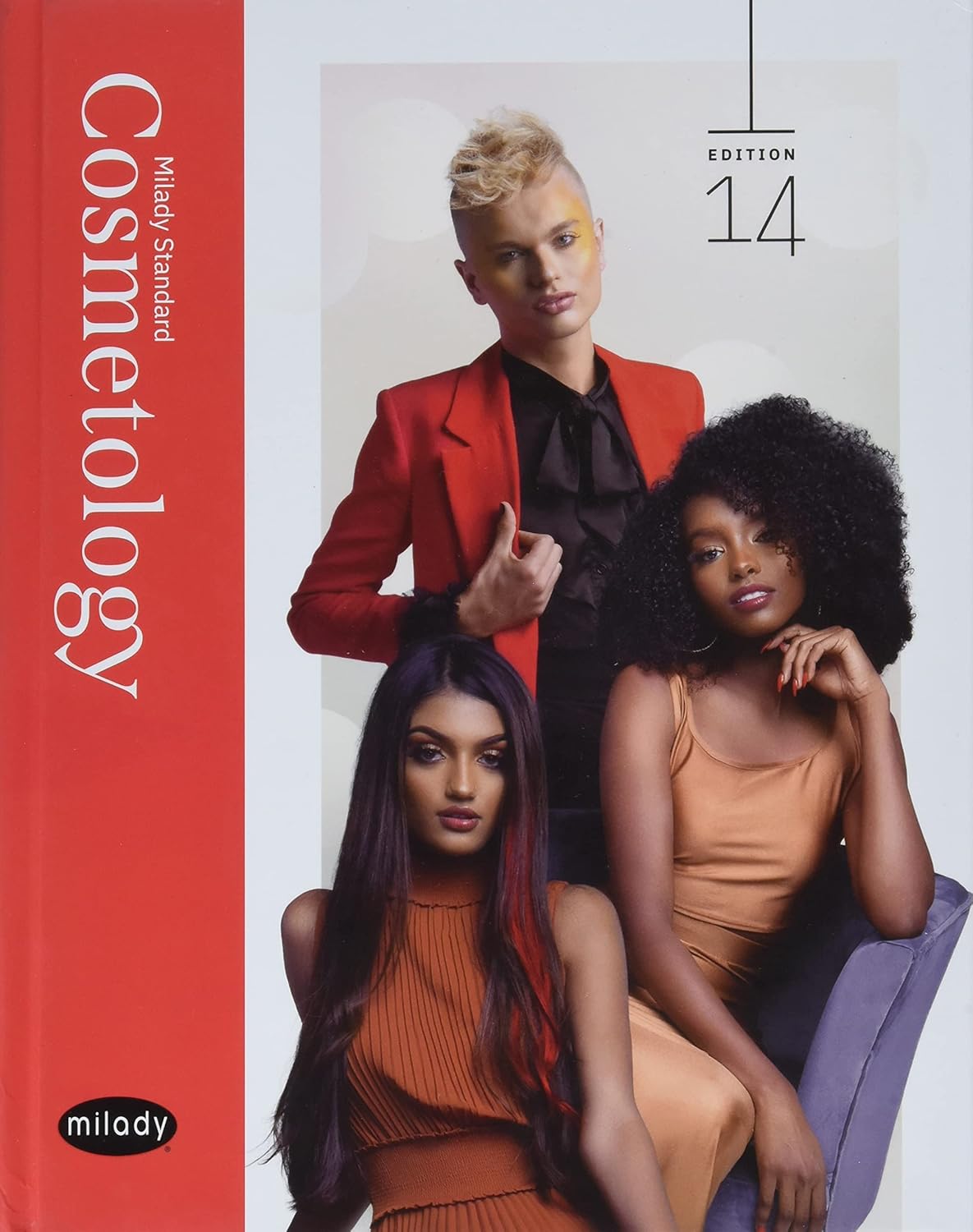
Milady Standard Cosmetology 14th Edition
by Milady (Author)
Publisher : Milady
Publication date : December 1, 2021
Edition : 14th
Language : English
Print length : 1072 pages
ISBN-10 : 0357378903
ISBN-13 : 978-0357378908
ISBN: 9780357997826
eText ISBN: 9798214120058
Send email to download :
Price : 15$
https://www.cengage.com/c/etextbook-milady-standard-cosmetology-14e-milady/9780357997826/
https://www.vitalsource.com/za/products/milady-standard-cosmetology-milady-v9798214120058
https://www.amazon.com/Miladys-Standard-Cosmetology/dp/0357378903
دانلود رایگان کتاب Milady’s Standard Cosmetology
Give yourself the edge you deserve with Milady Cosmetology, 14th edition, our best edition yet. This edition delivers a holistic cosmetology education that’s inclusive of all clients and their unique needs. Develop the skills required to ace your state licensing exam and to launch a rewarding and successful career. An even bigger emphasis on diversity and inclusionWith keen insights on all hair textures, skin types and genders, this new-and-improved content will better prepare beauty professionals to successfully serve all clients. A modern approach to learningCompetency- based learning objectives are clear, defined and focus on what a student must demonstrate or perfect. Interactive content, including plenty of videos, will engage and educate in equal measure.New step-by-step procedures for current trends and popular stylesEnjoy 21 procedures with revised steps and new imagery (making them more visual and intuitive). QR codes scattered throughout offer bonus content to help you learn even more. A whole new look + layout worthy of the leader in beauty educationGorgeous imagery and compelling videos thoroughly demonstrate techniques, build confidence, and will help you excel every step of the way.
دانلود ایبوک لوازم آرایشی استاندارد میلادی، ویرایش چهاردهم
با ویرایش چهاردهم کتاب «زیباییشناسی میلادی»، بهترین ویرایش ما تا به امروز، به جایگاهی که شایسته آن هستید، دست یابید. این ویرایش، آموزش جامع زیباییشناسی را ارائه میدهد که شامل همه مشتریان و نیازهای منحصر به فرد آنها میشود. مهارتهای لازم برای قبولی در آزمون صدور مجوز ایالتی و شروع یک حرفه ارزشمند و موفق را توسعه دهید. تأکید بیشتر بر تنوع و شمول: این محتوای جدید و بهبود یافته، با بینشهای دقیق در مورد همه بافتهای مو، انواع پوست و جنسیتها، متخصصان زیبایی را برای خدمترسانی موفقیتآمیز به همه مشتریان بهتر آماده میکند. رویکردی مدرن به یادگیری: اهداف یادگیری مبتنی بر شایستگی، واضح و تعریف شده هستند و بر آنچه یک دانشآموز باید نشان دهد یا در آن کامل شود، تمرکز دارند. محتوای تعاملی، شامل ویدیوهای فراوان، به یک اندازه درگیرکننده و آموزشدهنده خواهد بود. رویههای گام به گام جدید برای روندهای فعلی و سبکهای محبوب از ۲۱ رویه با مراحل اصلاحشده و تصاویر جدید (که آنها را بصریتر و شهودیتر میکند) لذت ببرید. کدهای QR پراکنده در سراسر کتاب، محتوای جایزهای را ارائه میدهند تا به شما در یادگیری بیشتر کمک کنند. ظاهری کاملاً جدید + طرحی شایستهی رهبر آموزش زیبایی تصاویر زیبا و ویدیوهای جذاب، تکنیکها را به طور کامل نشان میدهند، اعتماد به نفس ایجاد میکنند و به شما کمک میکنند در هر مرحله از مسیر پیشرفت کنید.
فهرست مطالب
- Cover Page
- Title Page
- Copyright Page
- Preface
- Featured Highlights
- Featured Highlights
- Meet the Contributors
- Part 01. Orientation
- Chapter 01. History and Career Opportunities
- Why Study Cosmetology History and Career Opportunities?
- Ancient Cultures
- The Africans
- The Egyptians
- The Chinese
- The Greeks
- The Romans
- Middle Ages
- Renaissance and Victorian Age
- The Renaissance
- Age of Extravagance
- The Victorian Age
- Early Twentieth Century
- 1901–1910
- 1911–1919
- 1920s
- Mid- to Late Twentieth Century
- 1930s
- 1940s
- 1950–2000
- Twenty-First Century
- Career Paths for Cosmetologists
- In-Demand Services and Opportunities
- Chapter Glossary
- Part 02. Health Sciences
- Chapter 02. General Anatomy and Physiology
- Why Study Anatomy and Physiology?
- Cell Structure and Functions
- Tissues
- Organs and Body Systems
- Skeletal System
- Skull Bones
- Cranial Bones
- Facial Bones
- Neck Bones
- Chest and Shoulder Bones
- Arm and Hand Bones
- Leg, Ankle, and Foot Bones
- Muscular System
- Scalp and Neck Muscles
- Face, Nose, and Mouth Muscles
- Shoulder and Arm Muscles
- Hand Muscles
- Lower Leg and Foot Muscles
- Nervous System
- Nervous System Divisions
- The Brain and Spinal Cord
- Nerves
- Circulatory System
- The Heart
- Blood Vessels
- The Blood
- Head, Face, and Neck Arteries
- Head, Face, and Neck Veins
- Lymphatic System
- Integumentary System
- Endocrine System
- Chapter Glossary
- Chapter 03. Skin Structure and Growth
- Why Study Skin Structure and Growth?
- Skin Layers and Their Functions
- The Epidermis
- The Dermis
- Subcutaneous Tissue
- Nerves That Affect the Skin
- Skin Pigments
- Strength and Flexibility of the Skin
- Skin Glands
- Sudoriferous (Sweat) Glands
- Sebaceous (Oil) Glands
- Skin Functions
- Chapter Glossary
- Chapter 04. Skin Disorders and Diseases
- Why Study Skin Disorders and Diseases?
- Common Skin Disorders and Diseases
- Skin Lesions
- Sebaceous and Sudoriferous Gland Disorders
- Sebaceous Glands
- Sudoriferous (Sweat) Glands
- Skin Inflammations and Infections
- Skin Inflammation
- Skin Infection
- Skin Hypertrophies
- Pigment Disorders
- Hyperpigmentation
- Hypopigmentation
- Acne and Problem Skin
- Heredity and Hormones
- Acne Bacteria
- Aging Skin Issues
- Intrinsic Factors
- Extrinsic Factors
- Sun Damage
- Sun Protection
- Skin Cancer
- Recognize Skin Changes
- Contact Dermatitis
- Allergic Contact Dermatitis
- Irritant Contact Dermatitis
- Preventing Contact Dermatitis
- Chapter Glossary
- Chapter 05. Nail Structure and Growth
- Why Study Nail Structure and Growth?
- The Natural Nail Unit
- Nail Structures
- Nail Folds
- Proximal Nail Fold (PNF)
- Nail Plate
- Nail Bed
- Matrix
- Cuticle
- Eponychium
- Hyponychium
- Specialized Ligaments
- Nail Growth
- Nail Plate Malformation
- Chapter Glossary
- Chapter 06. Nail Disorders and Diseases
- Why Study Nail Disorders and Diseases?
- Unhealthy Nails
- Nail Disorders
- Nail Infections
- Nail Diseases
- Hand, Nail, and Skin Analysis
- Scope of Practice
- Chapter Glossary
- Chapter 07. Hair and Scalp Properties
- Why Study Hair and Scalp Properties?
- Hair Root Structure
- Hair Shaft Structure
- Chemical Composition of Hair
- Cortex Side Bonds
- Hair Pigment
- Wave Pattern
- Scalp and Hair Analysis
- Texture
- Density
- Porosity
- Elasticity
- Hair Growth Patterns
- Dry Hair and Scalp
- Oily Hair and Scalp
- Hair Growth
- Hair Growth Cycles
- Hair Myths and Facts
- Chapter Glossary
- Chapter 08. Hair and Scalp Disorders and Diseases
- Why Study Hair and Scalp Disorders and Diseases?
- Hair Loss
- Types of Hair Loss
- Hair Loss Treatments
- The Emotional Impact of Hair Loss
- Hair Disorders
- Scalp Disorders
- Dandruff
- Fungal Infections (Tinea)
- Parasitic Infections
- Bacterial Infections
- Chapter Glossary
- Part 03. Hair Services
- Chapter 09. Principles of Hair Design
- Why Study Hair Design?
- Design Philosophy
- Five Elements of Hair Design
- Element 1: Design Lines
- Element 2: Form
- Element 3: Space
- Element 4: Design Texture
- Element 5: Haircolor
- Five Principles of Hair Design
- Principle 1: Proportion
- Principle 2: Balance
- Principle 3: Rhythm
- Principle 4: Emphasis
- Principle 5: Harmony
- Head Forms
- Reference Points
- Areas of the Head
- Hair Type and Texture
- Hairstyle and Facial Shapes
- Oval Facial Type
- Round Facial Type
- Square Facial Type
- Triangle Facial Type
- Oblong Facial Type
- Diamond Facial Type
- Heart-Shaped Facial Type
- Profiles and Proportions
- Profiles
- Facial Proportions
- Hair Partings
- Styling for People Who Wear Glasses
- Sideburns
- Chapter Glossary
- Chapter 10. Hair Service Preparation
- Why Study Hair Service Preparation?
- Three-Part Client Service Process
- Part One: Pre-Service Procedure
- Part Two: Service Procedure
- Part Three: Post-Service Procedure
- Client Consultation
- Scalp Analysis
- Professional Draping
- Hair Brushing
- Brush Types and Detangling Implements
- Scalp Massage
- Scalp Treatments
- Normal Scalp Treatment
- Dry Hair and Scalp Treatment
- Oily Hair and Scalp Treatment
- Antidandruff Treatment
- Shampoo Types
- Selecting the Proper Shampoo
- Shampoo Types
- Shampooing Clients with a Disability
- Client Product Education
- Conditioner Types
- Co-Wash
- Other Conditioning Agents
- Deep-Conditioning Treatment
- ℗ Procedure 10-1. Pre-Service Procedure
- ℗ Procedure 10-2. Post-Service Procedure
- ℗ Procedure 10-3. Draping
- ℗ Procedure 10-4. Hair Brushing and Detangling
- ℗ Procedure 10-5. Shampooing and Conditioning
- ℗ Procedure 10-6. Scalp Massage
- 10-10. Chapter Glossary
- Chapter 11. Haircutting
- Why Study Haircutting?
- Haircutting Lines, Sections, and Angles
- Types of Haircut Lines
- Haircut Sections
- Elevation
- Finger Angle
- Guidelines
- Overdirection
- Hair Analysis
- Growth Pattern
- Density
- Texture
- Wave and Curl Pattern
- Haircutting Shears
- Steel
- Cast versus Forged Shears
- Parts of a Shear
- Shear Maintenance
- Blade Length
- Left-Handed versus Right-Handed Shears
- Texturizing Shears
- Specialty Shears
- Purchasing Shears
- Fitting the Shears Correctly
- Holding the Shears and Comb
- Holding the Shears
- Holding the Shears and Comb
- Haircutting Tools
- Razor Cutting
- Holding the Razor
- Handling the Comb
- Tension
- Clippers
- Tools for Clipper Cutting
- Trimmers
- Trimming Facial Hair
- Demonstrate Proper Posture and Body Positions
- Body Position
- Hand Positions
- Safety in Haircutting
- General Haircutting Techniques and Tips
- Cutting Curly Hair
- Four Essential Haircuts
- The Blunt Haircut
- The Graduated Haircut
- The Uniform-Layered Haircut
- The Long-Layered Haircut
- Beyond Basic Haircutting Techniques
- Bangs (Fringe)
- Slide Cutting
- Shear-Over-Comb
- Texturizing
- Texturizing with Shears
- Texturizing with a Razor
- Texturizing with Thinning Shears
- Basic Haircuts Enhanced with Texturizing Techniques
- Basic Clipper Cutting
- Basic Clipper Techniques
- Fading
- Line Up
- ℗ Procedure 11-1. Blunt Haircut (Right-Handed)
- ℗ Procedure 11-1. Blunt Haircut (Left-Handed)
- ℗ Procedure 11-2. Graduated Haircut (Right-Handed)
- ℗ Procedure 11-2. Graduated Haircut (Left-Handed)
- ℗ Procedure 11-3. Uniform-Layered Haircut (Right-Handed)
- ℗ Procedure 11-3. Uniform-Layered Haircut (Left-Handed)
- ℗ Procedure 11-4. Long-Layered Haircut (Right-Handed)
- ℗ Procedure 11-4. Long-Layered Haircut (Left-Handed)
- ℗ Procedure 11-5. Basic Clipper Cut
- ℗ Procedure 11-6. Taper Fade on Straight Hair
- ℗ Procedure 11-7. Classic Fade on Curly Hair
- 11-14. Chapter Glossary
- Chapter 12. Hairstyling
- Why Study Hairstyling?
- Hairstyling Consultation
- Natural Hairstyling Consultation
- Special-Occasion Hairstyle Consultation
- Brushes, Combs, and Implements
- Brushes
- Combs and Picks
- Clamps and Clips
- Styling Aids
- Prep and Finish Products
- Blowdryers
- Blowdryer Selection
- Blowdryer Motors
- Blowdryer Safety Guidelines
- Blowdrying Tension
- Thermal Irons
- Clamp Irons
- Clamp-Free Irons
- Flat Irons
- Crimping Irons
- Thermal Iron Safety
- Thermal Pressing
- Types of Thermal Pressing
- Pressing Combs
- Pressing Comb Care and Maintenance
- Pressing Oil or Cream
- Pressing Procedures
- Natural Hairstyling
- Curly and Coily Method for Textured Hair
- Natural Textured Sets and Styles
- Locs
- Understanding and Creating Curls
- Curl Shapes
- Curl Formation
- Curl Patterns
- Base Types and Placements
- Teasing Techniques
- Wet Sets
- Roller Sets
- Damp Sets
- Finger Waves
- Hair Molding
- Hair Wrapping
- Pin Curls
- Special-Occasion Styles
- Styling Considerations
- Foundational Updos
- Classic Updos
- ℗ Procedure 12-1. Preparing Hair for Styling
- ℗ Procedure 12-2. Blowdrying Highly Textured Hair Prior to Thermal Setting
- ℗ Procedure 12-3. Blowdrying and Thermal Setting to Produce Full, Smooth Hair
- ℗ Procedure 12-4. Blowdrying Short, Curly Hair in Its Natural Wave Pattern
- ℗ Procedure 12-5. Diffusing Curly Hair in Its Natural Wave Pattern
- ℗ Procedure 12-6. Blowdrying Straight or Wavy Hair for Maximum Volume (Right-Handed)
- ℗ Procedure 12-6. Blowdrying Straight or Wavy Hair for Maximum Volume (Left-Handed)
- ℗ Procedure 12-7. Blowdrying Blunt or Long-Layered, Straight to Wavy Hair into a Straight Style
- ℗ Procedure 12-8. Marcel Manipulations (Thermal Curling)
- ℗ Procedure 12-9. Hollywood Waves (Thermal Waving)
- ℗ Procedure 12-10. Curly and Coily Methods
- ℗ Procedure 12-11. Double-Strand Twist
- ℗ Procedure 12-12. Coil Comb Technique—Nubian Coils and Starting Locs
- ℗ Procedure 12-13. Cultivating and Grooming Locs
- ℗ Procedure 12-14. Wet Set with Rollers
- ℗ Procedure 12-15. Horizontal Finger-Waving
- ℗ Procedure 12-16. Hair Wrapping on Coarse, Coily Hair
- ℗ Procedure 12-17. Curling Short, Relaxed Hair
- ℗ Procedure 12-18. Silk Press
- ℗ Procedure 12-19. Chignon
- ℗ Procedure 12-20. Curly Chignon Updo
- ℗ Procedure 12-21. French Pleat or Twist
- 12-12. Chapter Glossary
- Chapter 13. Braiding and Braid Extensions
- Why Study Braiding and Braid Extensions?
- Braiding Salons
- Braiding Consultation
- Tools and Materials for Braiding and Extensions
- Materials for Extensions
- Braiding the Hair
- Foundational Braids
- ℗ Procedure 13-1. Preparing Textured Hair for Braiding
- ℗ Procedure 13-2. Halo Braids
- ℗ Procedure 13-3. Single Braids with Extensions
- ℗ Procedure 13-4. Basic Cornrows
- 13-5. Chapter Glossary
- Chapter 14. Wigs and Hair Additions
- Why Study Wigs and Hair Additions?
- Hair Addition Consultations
- Hair Addition and Wig Fibers
- Human Fiber Hair
- Synthetic Fiber Hair
- Animal Fiber Hair
- Hair Extension Methods
- Braid-and-Sew Method
- Tape-in Extensions
- Fusion Bonding Method
- Linking
- Hair Extension Care Instructions
- Wigs
- Wig Types
- Wig Construction Methods
- Wig Tools and Supplies
- Wig Sizing
- Wig Placement
- Cutting the Wig
- Wig Care Guidelines
- Wigs and Hair Loss
- Hairpieces
- Fashion Hairpieces
- Integration Hairpieces
- Toupees
- Chapter Glossary
- Chapter 15. Chemical Texture Services
- Why Study Chemical Texture Services?
- Chemical Relaxers
- Reforming Hair Textures
- Hydroxide Relaxers
- Metal Hydroxide Relaxers
- Lye Relaxers
- No-Lye Relaxers
- Base and No-Base Relaxers
- Relaxer Strengths and Formulations
- Hydroxide Relaxer Neutralization
- Thio Relaxers
- Reduction and Oxidation
- Low-pH Relaxers
- Keratin-Based Smoothing Treatments
- Relaxer Tools and Supplies
- Chemical Relaxer Safety Guidelines
- Pre-Service Chemical Texture Guidelines
- Relaxer Safety Tips
- Chemical Relaxer Consultation
- Relaxer Application
- Virgin Relaxer
- Relaxer Retouch
- Permanent Waving
- Permanent Wave Solutions
- Alkaline Waves
- Acid Waves
- Ammonia-Free Waves
- Thio-Free Waves
- Low-pH Waves
- Perm Selection and Processing
- Permanent Wave Processing
- Permanent Wave Tools and Supplies
- Rod Types
- End Papers
- Permanent Wave Designs
- Panel and Base Sectioning
- Base Placement
- Base Direction
- Wrapping Techniques
- Wrapping Patterns
- Partial Permanent Waves
- Soft Curl Permanents
- Permanent Wave Safety Guidelines
- Patch Test
- Metallic Salts Test
- Preliminary Test Curls
- Permanent Wave Safety Tips
- Permanent Wave Consultation
- Permanent Wave Application
- Perm Using Basic Wrap
- Perm Using Bricklay Wrap
- Perm Using Spiral Wrap
- Perm Using Double-Rod Wrap
- Soft Curl Perm
- ℗ Procedure 15-1. Virgin Hair Relaxer
- ℗ Procedure 15-2. Relaxer Retouch
- ℗ Procedure 15-3. Preliminary Test Curl for a Permanent Wave
- ℗ Procedure 15-4. Permanent Wave Using a Basic Wrap
- ℗ Procedure 15-5. Permanent Wave Using a Bricklay Wrap
- ℗ Procedure 15-6. Permanent Wave Using a Spiral Wrap
- ℗ Procedure 15-7. Permanent Wave Using a Double-Rod Wrap
- ℗ Procedure 15-8. Soft Curl Perm (Chemical Curl Reformation)
- 15-16. Chapter Glossary
- Chapter 16. Haircoloring
- Why Study Haircoloring?
- Hair Color and Structure
- Hair Color
- Hair Structure
- Hair Texture
- Hair Density
- Hair Porosity
- Hair Levels and Tones
- Level System
- Haircolor Charts
- Gray Hair
- Color Theory
- Primary Colors
- Secondary Colors
- Tertiary Colors
- Complementary Colors
- Tone and Intensity
- Types of Haircolor
- Temporary Haircolors
- Semipermanent Haircolor
- Demipermanent Haircolor
- Permanent Haircolor
- Natural-Based and Metallic Haircolors
- Pre-Treating with Fillers and Tonal Correction
- Hydrogen Peroxide and Ammonia
- Hydrogen Peroxide
- Ammonia and Ammonia Substitutes
- Lighteners
- Types of Lighteners
- Contributing Pigment
- Monitoring the Health of the Hair
- Double-Process Haircolor
- Haircolor Consultation
- Assisting Clients with Impaired Vision
- Tips for Discussing Haircolor
- Release Statement
- Haircolor Formulation
- How to Apply Haircolor and Lighteners
- Application Tools and Mixing Haircolor
- Preliminary Patch Test and Strand Test for Haircolor
- Temporary Haircolor Application
- Semipermanent Haircolor Application
- Demipermanent Haircolor Application
- Single-Process Haircolor
- Lightener Application
- Preliminary Patch Test and Strand Test for Lightener
- Lightener and the Double-Process Color Application
- Lightener Retouch
- Highlighting Techniques
- Foil and Balayage Techniques
- Foilayage
- Color Melt Technique
- Cap Highlighting
- Gray Hair Coverage Techniques
- Formulating for Gray Hair
- Tips for Achieving Gray Coverage
- Coloring Resistant Gray Hair
- Special Haircolor Challenges and Solutions
- Haircolor Tips for Damaged Hair
- Haircolor Tips for Textured Hair
- Haircolor Tips for Redheads
- Haircolor Tips for Brunettes
- Haircolor Tips for Blondes
- Common Haircolor Solutions
- Haircoloring Safety Precautions
- ℗ Procedure 16-1. Preliminary Patch Test and Strand Test
- ℗ Procedure 16-2. Temporary Haircolor Rinse
- ℗ Procedure 16-3. Demipermanent Haircolor Application
- ℗ Procedure 16-4. Single-Process Color on Virgin Hair
- ℗ Procedure 16-5. Permanent Single-Process Retouch with a Glaze
- ℗ Procedure 16-6. Virgin Lightener
- ℗ Procedure 16-7. Toner Application
- ℗ Procedure 16-8. Specialty Highlighting with Foil
- ℗ Procedure 16-9. Pintura Highlights
- ℗ Procedure 16-10. Color Melt
- ℗ Procedure 16-11. Permanent Gray Coverage
- 16-15. Chapter Glossary
- Part 04. Skin Care Services
- Chapter 17. Hair Removal
- Why Study Hair Removal?
- Excessive Hair Growth
- Temporary Hair Removal
- Shaving
- Tweezing
- Depilatories
- Waxing
- Sugaring
- Threading
- Permanent Hair Reduction
- Electrolysis
- Intense Pulsed Light
- Laser Hair Removal
- Client Consultation
- Hair Removal Contraindications
- ℗ Procedure 17-1. Pre-Service Procedure
- ℗ Procedure 17-2. Post-Service Procedure
- ℗ Procedure 17-3. Eyebrow Tweezing
- ℗ Procedure 17-4. Eyebrow Waxing Using Soft Wax
- ℗ Procedure 17-5. Lip Waxing Using Hard Wax
- ℗ Procedure 17-6. Body Waxing Using Soft Wax
- 17-7. Chapter Glossary
- Chapter 18. Facials
- Why Study Facials?
- Esthetics Career Path
- Career Differences
- Managing Dual Careers
- Basic Facial Equipment
- Treatment Chairs and Tables
- Chairs and Stools
- Analysis Equipment
- Skin Prep Equipment
- Facial Cleansing/Exfoliation Equipment
- Waxing Units
- Skin Types and Common Skin Conditions
- Normal Skin Type
- Dry Skin Type
- Oily Skin Type
- Combination Skin Type
- Skin Conditions
- Facial Treatment and Care Products
- Cleansers
- Moisturizers for Skin Types and Conditions
- Serums and Ampoules
- Masks
- Desincrustation Products
- Facial Exfoliants
- Sun Protection Products (Sunscreens)
- Basic Techniques Used in Facial Massage
- Contraindications to Massage
- Benefits of Massage
- Basic Massage Manipulations
- Massage Modalities
- Electrotherapy and Light Therapy
- General Contraindications to Electrotherapy
- Galvanic Current
- Microcurrent
- High-Frequency Current
- Light Therapy
- Client Forms and Record Keeping
- Client Intake Form
- Service Record Form
- Consent Form
- Conduct a Client Consultation
- Consultation Questions
- Contraindications for Facial Treatments
- Perform Facial Procedures
- Guidelines for Facial Treatments
- Basic Facial Application
- Special Considerations for Facial Hair and Skin Care Treatments
- ℗ Procedure 18-1. Basic Facial
- ℗ Procedure 18-2. Facial Massage
- ℗ Procedure 18-3. Facial for Dry Skin
- ℗ Procedure 18-4. Facial for Oily Skin with Open Comedones
- ℗ Procedure 18-5. Facial for Acne-Prone Skin
- 18-12. Chapter Glossary
- Chapter 19. Makeup
- Why Study Makeup?
- Color Theory for Makeup
- Choosing Colors for Your Client
- Makeup is for Everyone
- Makeup for Everyday
- Makeup for Mature Skin
- Makeup for Textured Skin
- Facial Makeup
- Foundation
- Concealers
- Face Powders
- Eyeshadow
- Eyeliner
- Eyebrow Color
- Cheek Color
- Lip Color
- Mascara
- Other Cosmetics
- Makeup Brushes, Tools, and Implements
- Brushes
- Makeup Tools
- Single-Use Implements
- Airbrush Makeup
- Complementing Face Shapes and Features
- Finding Visual Balance of the Face
- Facial Features
- Eye Shape
- Eyebrow Shape
- Lip Shape
- Balancing Skin Tones and Camouflage Makeup
- Makeup Consultation and Application
- Client Consultation
- Lighting
- Makeup Application Techniques
- Infection Control for Makeup Services
- Eyelash Enhancements
- Types of Lashes and How to Apply Them
- Eyelash Extensions
- Eyelash Perming
- Eyelash and Eyebrow Tinting
- ℗ Procedure 19-1. Basic Professional Makeup Application
- ℗ Procedure 19-2. False Eyelash Application
- 19-9. Chapter Glossary
- Part 05. Nail Services
- Chapter 20. Manicuring
- Why Study Manicuring?
- Manicure Station Equipment
- Manicure Table
- Client Arm Cushion
- Adjustable Lamp
- Cosmetologist’s and Client’s Chairs
- Finger Bowls
- Disinfection Containers
- Autoclave
- Gauze and Cotton Wipe Container
- Trash Container
- Ventilation System
- Optional Manicure Station Equipment
- Supply Trays and Baskets
- Electric Nail Polish Dryer
- UV or LED Curing Lamps
- Terry Cloth Mitts
- Electric Hand/Foot Mitts
- Paraffin Bath
- Multiuse Manicuring Implements
- Metal Pushers
- Nail Nippers
- Tweezers
- Nail Clippers
- Nylon Nail Brushes
- Single-Use Manicuring Implements
- Abrasive Nail Files and Buffers
- Two- or Three-Way Buffers or Shiners
- Plastic or Metal Spatulas and Product Applicators
- Wooden Pushers
- Product Application Brushes
- Nail Service Materials
- Gloves
- Dust Masks
- Protective Eyewear
- Paper or Terry Cloth Towels
- Gauze, Cotton Balls, or Plastic-Backed Pads
- Professional Nail Products Used During a Manicure
- Soap
- Cuticle Removers
- Nail Creams, Lotions, and Oils
- Colored Polish, Enamel, Lacquer, or Varnish
- Base Coat and Top Coat
- Nail Polish Dryer Products
- Gel Polish Products
- Polish Remover and Product Remover
- Nail Hardeners
- Nail Conditioners
- Hand Creams and Lotions
- Manicure Consultation
- Basic Nail Shapes
- The Basic Manicure
- Three-Part Procedure
- Hand Washing
- Nail Polish Application
- Choosing a Nail Color
- Applying Polish
- Hand and Arm Massage
- General Movements
- Spa and Basic Manicures Compared
- Theme Manicures
- Waterless Manicures
- Aromatherapy in Manicuring
- Paraffin Wax Treatments with Manicures
- Paraffin Wax Safety
- Paraffin Application Methods
- Services for Clients with Disabilities
- Aging Population
- Medical Considerations
- Upgrading Your Manicure with Nail Art
- The French Manicure
- Color Fading
- Marbleizing
- Stencils and Stamping
- ℗ Procedure 20-1. Pre-Service Procedure
- ℗ Procedure 20-2. Performing a Basic Manicure
- ℗ Procedure 20-3. Post-Service Procedure
- ℗ Procedure 20-4. Polish the Nails
- ℗ Procedure 20-5. Hand and Arm Massage
- 20-16. Chapter Glossary
- Chapter 21. Pedicuring
- Why Study Pedicuring?
- Pedicuring Equipment
- Pedicure Station
- Pedicure Footbath
- Pedicure Cart
- Foot Mitts (Optional)
- Paraffin Bath (Optional)
- Hot Stones (Optional)
- Pedicuring Implements
- Toenail Clippers and Nippers
- Curette
- Nail Rasp
- Pedicure Nail File
- Foot Files/Pedicure Paddles
- Gloves
- Unique Pedicure Materials
- Toe Separators
- Pedicure Slippers
- Professional Pedicure Products
- Foot Soaks
- Exfoliating Scrubs
- Masks
- Foot Lotions or Creams
- Callus Softeners
- Considering a Professional Product Line
- Client Consultation
- Evaluate Nails and Skin
- Identify Diseases or Disorders
- Acknowledge Medical Conditions
- Determine Service
- Maintaining Client Records
- Pedicure Services
- Pedicure Service Menu
- Pedicure Series
- Spa Pedicures
- Upgrading a Pedicure
- Pedicure Massage Benefits
- Performing the Massage
- Pedicure and Massage Interaction
- Reflexology
- Clients with Disabilities
- Cleaning and Disinfecting Footbaths
- ℗ Procedure 21-1. Performing the Basic Pedicure
- ℗ Procedure 21-2. Foot and Leg Massage
- ℗ Procedure 21-3. Cleaning and Disinfecting Whirlpool, Air-Jet, and Pipeless Footbaths
- ℗ Procedure 21-4. Cleaning and Disinfecting Basic Footbaths
- 21-11. Chapter Glossary
- Chapter 22. Nail Extensions and Resin Systems
- Why Study Nail Extensions and Resin Systems?
- Preparing the Natural Nail for Nail Enhancements
- Nail Tip Types
- Nail Adhesive
- Advantages of Nail Forms
- Disposable Nail Forms
- Reusable Nail Forms
- Common Nail Extension Shapes
- Properly Structured Nail Enhancements
- Nail Parts
- Nail Resin and Nail Resin Systems
- Strengthening with Nail Wraps
- Dip System Advantages
- Using a Dip System
- French and Clear Dip Extensions
- ℗ Procedure 22-1. Dry Manicure
- ℗ Procedure 22-2. Nail Tip Application
- ℗ Procedure 22-3. Nail Tip Removal
- ℗ Procedure 22-4. Disposable Nail Form Application
- ℗ Procedure 22-5. Dip System One-Color Application
- ℗ Procedure 22-6. Resin System Removal
- 22-10. Chapter Glossary
- Chapter 23. Liquid and Powder Nail Enhancements
- Why Study Liquid and Powder Nail Enhancements?
- Chemistry of Liquid and Powder Nail Enhancements
- Odorless Monomer Liquid and Polymer Powder Products
- Liquid and Powder Nail Enhancement Service Supplies
- Monomer Liquid
- Polymer Powder
- Nail Primer
- Abrasives
- Nail Tips and Forms
- Dappen Dish
- Nail Brush
- Monomer Liquid and Polymer Powder Product Storage and Disposal
- Liquid and Powder Nail Art
- Liquid and Powder Nail Enhancement Maintenance and Removal
- Monomer Liquid and Polymer Powder Nail Enhancement Removal
- ℗ Procedure 23-1. One-Color Liquid and Powder Overlay
- ℗ Procedure 23-2. Two-Color Liquid and Powder Nail Enhancements Using Forms
- ℗ Procedure 23-3. One-Color Liquid and Powder Maintenance
- ℗ Procedure 23-4. Liquid and Powder Nail Enhancement Removal
- 23-6. Chapter Glossary
- Chapter 24. Light-Cured Gels
- Why Study Light-Cured Gels?
- Gel Chemistry
- UV and LED Light
- Gel Types
- Bonding Gels
- Building Gels
- Polymer Gels
- Pigmented Gels
- Soak-Off Gel Polishes
- Finishing Gels
- Gel Application Supplies
- Storing, Using, and Removing Gels
- Removing Gels
- When to Choose Gel Services
- Hard Gel Extensions
- Gel Polishes
- ℗ Procedure 24-1. One-Color Hard-Gel Overlay
- ℗ Procedure 24-2. Two-Color Hard-Gel Overlay
- ℗ Procedure 24-3. One-Color Hard-Gel Sculpture Extensions
- ℗ Procedure 24-4. One-Color Polymer Gel Overlay
- ℗ Procedure 24-5. Hard-Gel Maintenance
- ℗ Procedure 24-6. Soak-Off Gel Polish over Nail Enhancements
- ℗ Procedure 24-7. Soak-Off Gel Polish on Natural Nails
- ℗ Procedure 24-8. Hard Gel and Polymer Gel Removal
- ℗ Procedure 24-9. Soak-Off Gel or Gel Polish Removal
- 24-8. Chapter Glossary
- References
- Conversions