دانلود کتاب Neurofeedback in the Treatment of Developmental Trauma: Calming the Fear-Driven Brain

خرید ایبوک Neurofeedback in the Treatment of Developmental Trauma
برای دانلود ایبوک Neurofeedback in the Treatment of Developmental Trauma: Calming the Fear-Driven Brain و خرید کتاب نوروفیدبک در درمان ترومای رشدی: آرام کردن مغزِ ترسمحور بر روی کلید خرید در انتهای صفحه کلیک کنید. پس از اتصال به درگاه پرداخت هزینه و تکمیل مراحل خرید، لینک دانلود کتاب ایمیل می شود.این ایبوک در فرمت Epub به همراه PDF تبدیلی و به زبان انگلیسی ارسال می شود.نسخه الکترونیکی کتاب قابلیت کپی برداری copy و Paste دارد.
در صورتی که نیاز به پی دی اف هر کتابی از انتشارات W. W. Norton & Company دارید با گیگاپیپر مکاتبه کنید.
خرید کتاب Neurofeedback in the Treatment of Developmental Trauma
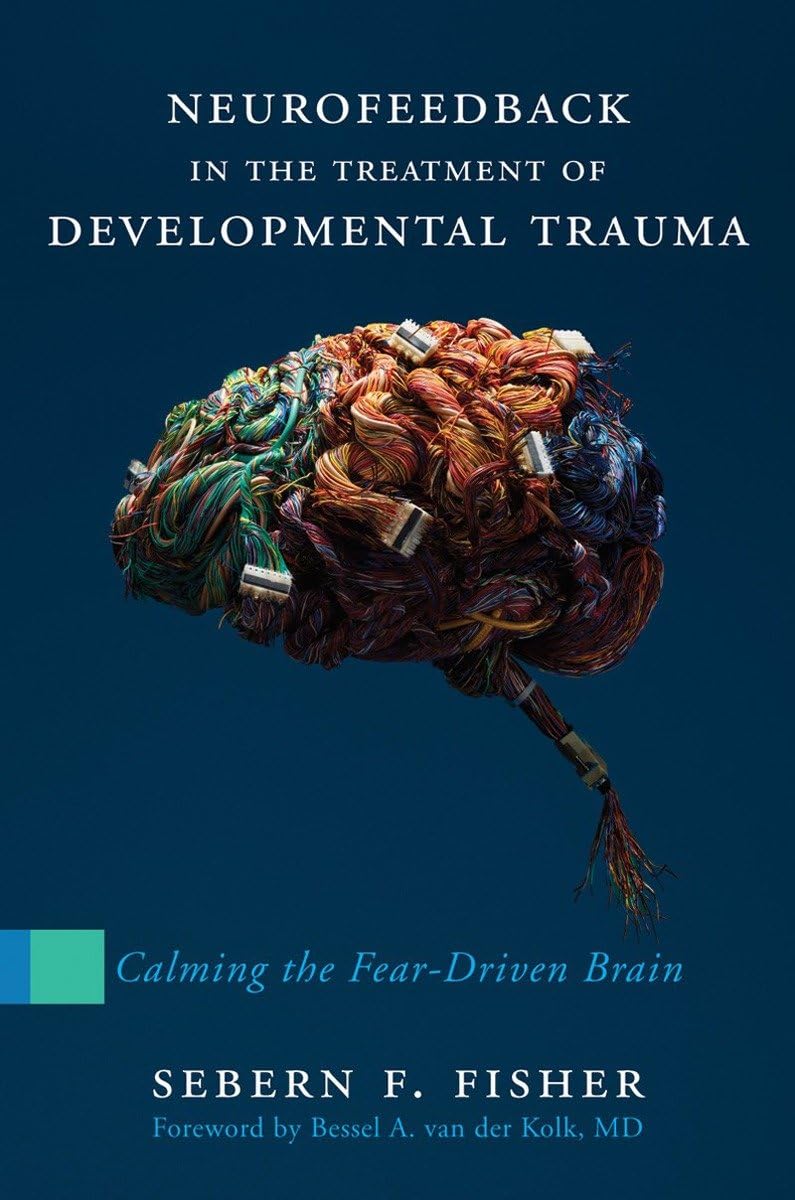
Neurofeedback in the Treatment of Developmental Trauma: Calming the Fear-Driven Brain
by Sebern F. Fisher (Author)
Publisher : W. W. Norton & Company
Publication date : April 21, 2014 Edition : Illustrated
Language : English
Print length : 408 pages
ISBN-10 : 0393707865
ISBN-13 : 978-0393707861
Send email to download :
Price : 10$
https://www.amazon.com/Neurofeedback-Treatment-Developmental-Trauma-Fear-Driven/dp/0393707865دانلود رایگان کتاب Neurofeedback in the Treatment of Developmental Trauma
Working with the circuitry of the brain to restore emotional health and well-being. Neurofeedback, a type of “brain training” that allows us to see and change the patterns of our brain, has existed for over 40 years with applications as wide-ranging as the treatment of epilepsy, migraines, and chronic pain to performance enhancement in sports.
Today, leading brain researchers and clinicians, interested in what the brain can tell us about mental health and well being, are also taking notice. Indeed, the brain’s circuitry―its very frequencies and rhythmic oscillations―reveals much about its role in our emotional stability and resilience. Neurofeedback allows clinicians to guide their, clients as they learn to transform brain-wave patterns, providing a new window into how we view and treat mental illness.
In this cutting-edge book, experienced clinician Sebern Fisher keenly demonstrates neurofeedback’s profound ability to help treat one of the most intractable mental health concerns of our time: severe childhood abuse, neglect, or abandonment, otherwise known as developmental trauma.
When an attachment rupture occurs between a child and her or his primary caregiver, a tangle of complicated symptoms can set in: severe emotional dysregulation, chronic dissociation, self-destructive behaviors, social isolation, rage, and fear. Until now, few reliable therapies existed to combat developmental trauma. But as the author so eloquently presents in this book, by focusing on a client’s brain-wave patterns and “training” them to operate at different frequencies, the rhythms of the brain, body, and mind are normalized, attention stabilizes, fear subsides, and, with persistent, dedicated training, regulation sets in.
A mix of fundamental theory and nuts-and-bolts practice, the book delivers a carefully articulated and accessible look at the mind and brain in developmental trauma, what a “trauma identity” looks like, and how neurofeedback can be used to retrain the brain, thereby fostering a healthier, more stable state of mind. Essential clinical skills are also fully covered, including how to introduce the idea of neurofeedback to clients, how to combine it with traditional psychotherapy, and how to perform assessments.
In his foreword to the book, internationally recognized trauma expert Bessel van der Kolk, MD, praises Fisher as “an immensely experienced neurofeedback practitioner [and] the right person to teach us how to integrate it into clinical practice.” Filled with illuminating client stories, powerful clinical insights, and plenty of clinical “how to,” she accomplishes just that, offering readers a compelling look at exactly how this innovative model can be used to engage the brain to find peace and to heal. 8 pages of color illustrations
دانلود ایبوک نوروفیدبک در درمان ترومای رشدی: آرام کردن مغزِ ترسمحور
کار با مدارهای مغز برای بازیابی سلامت و تندرستی عاطفی.
نوروفیدبک، نوعی “آموزش مغز” که به ما امکان میدهد الگوهای مغز خود را ببینیم و تغییر دهیم، بیش از ۴۰ سال است که وجود دارد و کاربردهای گستردهای از درمان صرع، میگرن و درد مزمن گرفته تا بهبود عملکرد در ورزش دارد.
امروزه، محققان و پزشکان برجسته مغز که به آنچه مغز میتواند در مورد سلامت روان و تندرستی به ما بگوید علاقهمند هستند، نیز به آن توجه میکنند. در واقع، مدارهای مغز – فرکانسها و نوسانات ریتمیک آن – چیزهای زیادی در مورد نقش آن در ثبات و تابآوری عاطفی ما آشکار میکند. نوروفیدبک به پزشکان اجازه میدهد تا مراجعین خود را در حین یادگیری تغییر الگوهای امواج مغزی راهنمایی کنند و دریچه جدیدی به نحوه مشاهده و درمان بیماریهای روانی ارائه دهند.
در این کتاب پیشرفته، پزشک باتجربه، سبرن فیشر، با اشتیاق توانایی عمیق نوروفیدبک را در کمک به درمان یکی از لاینحلترین نگرانیهای سلامت روان زمان ما نشان میدهد: سوءاستفاده شدید در دوران کودکی، غفلت یا رها شدن، که به عنوان ترومای رشدی نیز شناخته میشود.
وقتی بین کودک و مراقب اصلیاش گسست دلبستگی رخ میدهد، مجموعهای از علائم پیچیده میتواند ایجاد شود: اختلال شدید تنظیم هیجانی، گسستگی مزمن، رفتارهای خود تخریبی، انزوای اجتماعی، خشم و ترس. تاکنون، درمانهای قابل اعتماد کمی برای مبارزه با آسیبهای رشدی وجود داشته است. اما همانطور که نویسنده با فصاحت در این کتاب ارائه میدهد، با تمرکز بر الگوهای امواج مغزی مراجع و “آموزش” آنها برای عملکرد در فرکانسهای مختلف، ریتم مغز، بدن و ذهن به حالت عادی برمیگردد، توجه تثبیت میشود، ترس فروکش میکند و با آموزش مداوم و اختصاصی، تنظیم برقرار میشود.
این کتاب که ترکیبی از نظریه بنیادی و تمرینهای جزئی است، نگاهی دقیق و قابل فهم به ذهن و مغز در آسیبهای رشدی، چگونگی “هویت آسیب” و نحوه استفاده از نوروفیدبک برای آموزش مجدد مغز ارائه میدهد و در نتیجه حالت ذهنی سالمتر و پایدارتری را پرورش میدهد. مهارتهای بالینی ضروری نیز به طور کامل پوشش داده شدهاند، از جمله نحوه معرفی ایده نوروفیدبک به مراجعین، نحوه ترکیب آن با رواندرمانی سنتی و نحوه انجام ارزیابیها.
دکتر بسل ون در کولک، متخصص تروما که در سطح بینالمللی شناخته شده است، در مقدمه خود بر کتاب، فیشر را به عنوان «یک متخصص نوروفیدبک بسیار باتجربه [و] فرد مناسبی برای آموزش نحوه ادغام آن در عمل بالینی» ستایش میکند. او با داستانهای روشنگر مراجعین، بینشهای بالینی قدرتمند و «چگونهها»ی بالینی فراوان، دقیقاً به این مهم دست مییابد و به خوانندگان نگاهی جذاب به چگونگی استفاده از این مدل نوآورانه برای درگیر کردن مغز جهت یافتن آرامش و بهبودی ارائه میدهد.
۸ صفحه تصویر رنگی