دانلود کتاب Plastics Technology Introduction and Fundamentals 2 Edition
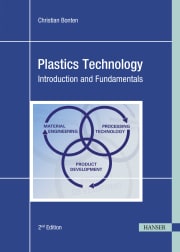
خرید ایبوک Plastics Technology Introduction and Fundamentals
برای دانلود ایبوک Plastics Technology Introduction and Fundamentals 2th Edition و خرید کتاب مقدمه و اصول فناوری پلاستیک نسخه دوم سال 2026 بر روی کلید خرید در انتهای صفحه کلیک کنید. پس از اتصال به درگاه پرداخت هزینه و تکمیل مراحل خرید، لینک دانلود کتاب ایمیل می شود.این ایبوک در فرمت PDF اورجینال و به زبان انگلیسی ارسال می شود.نسخه الکترونیکی کتاب قابلیت کپی برداری copy و Paste دارد.
در صورتی که نیاز به پی دی اف هر کتابی از انتشارات hanser دارید با گیگاپیپر مکاتبه کنید.
خرید کتاب Plastics Technology Introduction and Fundamentals
Plastics Technology
Introduction and Fundamentals
Christian Bonten
Edition: 2. Edition
eISBN: 978-1-56990-980-5
Print ISBN: 978-1-56990-979-9
© 2026 Carl Hanser Verlag GmbH & Co. KG
Send email to download :
Price : 15$
https://www.hanser-elibrary.com/doi/book/10.3139/9781569909805

https://books.google.com/books/about/Plastics_Technology.html?id=ZBkY0gEACAAJ
دانلود رایگان کتاب Plastics Technology
This introductory textbook provides a comprehensive overview of plastics technology, from raw materials and material properties to processing, product development, and environmental aspects. It is intended for students of plastics technology and other engineering disciplines as well as readers entering the field.
Content
The book presents the main areas of plastics engineering in an integrated manner and emphasizes the relationships between materials engineering, processing technology, and product development. An introductory chapter outlines the history and applications of plastics and explains their relevance in design.
The fundamentals chapter introduces essential concepts of polymer chemistry and materials mechanics. The three core chapters address materials engineering, processing technology, and product development.
Materials engineering covers melt and solid-state behavior, the influence of additives, the transformation from polymers to plastics during processing, process-structure-property relationships, aging, and an overview of important plastics. Processing technologies include extrusion, injection molding, processing of cross-linking molding compounds, fiber-reinforced composites, thermoforming, welding, bonding, and coating. The product development section discusses the specific characteristics of plastics, geometric subdivision of components, designing with plastics, and the use of prototypes.
The chapter “Plastics and the Environment” examines plastic waste, critical substances in plastics, bioplastics, and resource conservation. Commonly held views are contrasted with publicly available facts.
Learning Objectives
- Understand fundamental concepts of polymer chemistry and materials mechanics.
- Explain key properties and behavior of plastics during processing and use.
- Identify and distinguish important plastics processing technologies.
- Understand the relationships between material selection, processing, structure, and product properties.
- Apply basic principles of product development and designing with plastics.
- Assess environmental topics including plastic waste, bioplastics, critical substances, and resource conservation.
Students of plastics technology and other engineering disciplines as well as beginners seeking an introduction to plastics engineering.
Target Audience
Additional Features
Numerous videos linked via QR codes provide visual demonstrations of key processes.
Bibliographic Information
2nd edition, updated throughout, with particular revisions to the chapter “Plastics and the Environment.”
دانلود ایبوک مقدمه و اصول فناوری پلاستیک
این کتاب درسی مقدماتی، مروری جامع بر فناوری پلاستیک، از مواد اولیه و خواص مواد گرفته تا فرآوری، توسعه محصول و جنبههای زیستمحیطی ارائه میدهد. این کتاب برای دانشجویان فناوری پلاستیک و سایر رشتههای مهندسی و همچنین خوانندگانی که وارد این حوزه میشوند، در نظر گرفته شده است.
محتوا
این کتاب حوزههای اصلی مهندسی پلاستیک را به صورت یکپارچه ارائه میدهد و بر روابط بین مهندسی مواد، فناوری فرآوری و توسعه محصول تأکید میکند. یک فصل مقدماتی، تاریخچه و کاربردهای پلاستیکها را شرح میدهد و ارتباط آنها را در طراحی توضیح میدهد.
فصل مبانی، مفاهیم اساسی شیمی پلیمر و مکانیک مواد را معرفی میکند. سه فصل اصلی به مهندسی مواد، فناوری فرآوری و توسعه محصول میپردازد.
مهندسی مواد، رفتار مذاب و حالت جامد، تأثیر افزودنیها، تبدیل پلیمرها به پلاستیک در حین فرآوری، روابط فرآیند-ساختار-خواص، پیرسازی و مروری بر پلاستیکهای مهم را پوشش میدهد. فناوریهای فرآوری شامل اکستروژن، قالبگیری تزریقی، فرآوری ترکیبات قالبگیری پیوند عرضی، کامپوزیتهای تقویتشده با الیاف، ترموفرمینگ، جوشکاری، پیوند و پوششدهی است. بخش توسعه محصول، ویژگیهای خاص پلاستیکها، تقسیمبندی هندسی اجزا، طراحی با پلاستیکها و استفاده از نمونههای اولیه را مورد بحث قرار میدهد.
فصل «پلاستیکها و محیط زیست» به بررسی ضایعات پلاستیکی، مواد حیاتی در پلاستیکها، بیوپلاستیکها و حفاظت از منابع میپردازد. دیدگاههای رایج با حقایق در دسترس عموم مقایسه میشوند.
اهداف یادگیری
درک مفاهیم اساسی شیمی پلیمر و مکانیک مواد.
توضیح خواص کلیدی و رفتار پلاستیکها در طول پردازش و استفاده.
شناسایی و تمایز فناوریهای مهم پردازش پلاستیک.
درک روابط بین انتخاب مواد، پردازش، ساختار و خواص محصول.
بهکارگیری اصول اولیه توسعه محصول و طراحی با پلاستیک.
ارزیابی مباحث زیستمحیطی از جمله ضایعات پلاستیکی، بیوپلاستیکها، مواد حیاتی و حفاظت از منابع.
مخاطب هدف
دانشجویان فناوری پلاستیک و سایر رشتههای مهندسی و همچنین مبتدیانی که به دنبال آشنایی با مهندسی پلاستیک هستند.
ویژگیهای اضافی
ویدیوهای متعدد مرتبط از طریق کدهای QR، نمایشهای بصری از فرآیندهای کلیدی را ارائه میدهند.
اطلاعات کتابشناختی
ویرایش دوم، بهروزرسانی کامل، با اصلاحات ویژه در فصل «پلاستیکها و محیط زیست».
فهرست مطالب ایبوک Plastics Technology
Preface………………………………………………..V
The Author……………………………………………..IX
Instructions for Using This Book…………………………..XI
1Introduction……………………………………….1
1.1 Plastics –TheMaterialoftheModernAge………………………..1
1.2 AreasofApplicationforPlastics………………………………..6
1.3 PlasticsandDesign………………………………………….9
2Fundamentals……………………………………..13
2.1 FromMonomertoPolymer –FundamentalsofPolymerChemistry……13
2.1.1OriginofMonomers. . . . . . . . . . . . . . . . . . . . . . . . . . . . . . . . . . . . . . . . . .13
2.1.2PolymerSynthesis. . . . . . . . . . . . . . . . . . . . . . . . . . . . . . . . . . . . . . . . . . .16
2.1.2.1Polymerization. . . . . . . . . . . . . . . . . . . . . . . . . . . . . . . . . . . . . .16
2.1.2.2Copolymerization(specialformofpolymerization). . . . .19
2.1.2.3Polycondensation. . . . . . . . . . . . . . . . . . . . . . . . . . . . . . . . . . . .20
2.1.2.4Polyaddition. . . . . . . . . . . . . . . . . . . . . . . . . . . . . . . . . . . . . . . . .21
2.1.3TheMolarMassofPolymers. . . . . . . . . . . . . . . . . . . . . . . . . . . . . . . . . .22
2.1.4BindingForcesandBrownianMotion. . . . . . . . . . . . . . . . . . . . . . . . . .28
2.1.4.1IntermolecularChemicalBonds. . . . . . . . . . . . . . . . . . . . . . .28
2.1.4.2IntermolecularPhysicalBonds. . . . . . . . . . . . . . . . . . . . . . . .30
2.1.4.3BrownianMotion–MobilityofPolymerChains. . . . . . . . .33
2.1.5MechanismsofSolidificationandSubdivisionofPolymers. . . . . .34
2.1.6PrimaryStructureofPolymers:ConstitutionandConfiguration. .37
2.1.7SecondaryandTertiaryStructuresofPolymers:Conformation. . .39
2.1.7.1AmorphousStructures. . . . . . . . . . . . . . . . . . . . . . . . . . . . . . .40
2.1.7.2CrystallinePolymerStructures. . . . . . . . . . . . . . . . . . . . . . . .41
2.1.7.3InfluenceofthePrimaryStructure. . . . . . . . . . . . . . . . . . . .41
2.1.7.4Superstructures. . . . . . . . . . . . . . . . . . . . . . . . . . . . . . . . . . . . . .43
2.1.8Polymers–RawMaterialsNotOnlyforPlastics. . . . . . . . . . . . . . . . .47
2.2 FundamentalsofForceTransmission……………………………48
2.2.1ImportantTerms. . . . . . . . . . . . . . . . . . . . . . . . . . . . . . . . . . . . . . . . . . . . .48
2.2.1.1Strength. . . . . . . . . . . . . . . . . . . . . . . . . . . . . . . . . . . . . . . . . . . . .48
2.2.1.2Stiffness. . . . . . . . . . . . . . . . . . . . . . . . . . . . . . . . . . . . . . . . . . . . .48
2.2.1.3Toughness. . . . . . . . . . . . . . . . . . . . . . . . . . . . . . . . . . . . . . . . . . .48
2.2.1.4Stress-StrainDiagrams. . . . . . . . . . . . . . . . . . . . . . . . . . . . . . .49
2.2.2StateRangesofPlastics. . . . . . . . . . . . . . . . . . . . . . . . . . . . . . . . . . . . . . .52
2.2.2.1GlassTransitionTemperatureTg. . . . . . . . . . . . . . . . . . . . . . .52
2.2.2.2CrystalliteMeltingTemperatureTm. . . . . . . . . . . . . . . . . . . .53
2.2.2.3StateRangesofCross-LinkedPolymers. . . . . . . . . . . . . . . . .54
2.2.3MechanicalReplacementModels. . . . . . . . . . . . . . . . . . . . . . . . . . . . . .55
2.3 PlasticsandPlasticsTechnology –DefinitionofTerms………………58
Materials Engineering…………………………………61
3Plastics Engineering…………………………………63
3.1 BehaviorintheMelt –FlowPropertiesandTheirMeasurement……..64
3.1.1FundamentalsofFluidMechanics. . . . . . . . . . . . . . . . . . . . . . . . . . . . .64
3.1.2InfluencesonFlowBehavior. . . . . . . . . . . . . . . . . . . . . . . . . . . . . . . . . .72
3.1.3TheConceptofRepresentativeViscosity. . . . . . . . . . . . . . . . . . . . . . .77
3.1.4ElongationofMelt. . . . . . . . . . . . . . . . . . . . . . . . . . . . . . . . . . . . . . . . . . .79
3.1.5DieSwellandShrinkage. . . . . . . . . . . . . . . . . . . . . . . . . . . . . . . . . . . . . .81
3.1.6Rheometry–TheMeasurementofFlowProperties. . . . . . . . . . . . . .83
3.1.6.1MeasuringtheMeltFlowRateMFR. . . . . . . . . . . . . . . . . . . .84
3.1.6.2TheHigh-PressureCapillaryRheometer. . . . . . . . . . . . . . . .85
3.1.6.3RotationalRheometers. . . . . . . . . . . . . . . . . . . . . . . . . . . . . . .87
3.1.6.4ExtensionalRheometer. . . . . . . . . . . . . . . . . . . . . . . . . . . . . . .92
3.2 BehaviorasaSolid –SolidPropertiesandTheirMeasurement……….93
3.2.1MechanicalPropertiesofPlastics. . . . . . . . . . . . . . . . . . . . . . . . . . . . . .94
3.2.1.1TensileTest. . . . . . . . . . . . . . . . . . . . . . . . . . . . . . . . . . . . . . . . . .94
3.2.1.2High-SpeedTensileTest. . . . . . . . . . . . . . . . . . . . . . . . . . . . . . .97
3.2.1.3InfluenceofTimeandTemperatureonMechanical
Behavior. . . . . . . . . . . . . . . . . . . . . . . . . . . . . . . . . . . . . . . . . . . .99
3.2.1.4TheCreepTest. . . . . . . . . . . . . . . . . . . . . . . . . . . . . . . . . . . . . . .101
3.2.1.5TheVibrationTest. . . . . . . . . . . . . . . . . . . . . . . . . . . . . . . . . . . .103
3.2.1.6TheBendingTest. . . . . . . . . . . . . . . . . . . . . . . . . . . . . . . . . . . . .106
3.2.1.7DistinguishingbetweenSamplesandTestSpecimens. . . .108
3.2.2PhysicalProperties. . . . . . . . . . . . . . . . . . . . . . . . . . . . . . . . . . . . . . . . . . .109
3.2.2.1ElectricalProperties. . . . . . . . . . . . . . . . . . . . . . . . . . . . . . . . . .109
3.2.2.2MagneticProperties. . . . . . . . . . . . . . . . . . . . . . . . . . . . . . . . . .112
3.2.2.3OpticalProperties. . . . . . . . . . . . . . . . . . . . . . . . . . . . . . . . . . . .112
3.2.2.4AcousticProperties. . . . . . . . . . . . . . . . . . . . . . . . . . . . . . . . . . .119
3.2.3ValuesforHeatandMassTransfer. . . . . . . . . . . . . . . . . . . . . . . . . . . .122
3.2.3.1SpecificEnthalpyh. . . . . . . . . . . . . . . . . . . . . . . . . . . . . . . . . . .122
3.2.3.2SpecificHeatCapacitycp. . . . . . . . . . . . . . . . . . . . . . . . . . . . . .123
3.2.3.3Densityρ. . . . . . . . . . . . . . . . . . . . . . . . . . . . . . . . . . . . . . . . . . . .126
3.2.3.4ThermalConductivityλ. . . . . . . . . . . . . . . . . . . . . . . . . . . . . . .127
3.2.3.5CoefficientofThermalExpansionα. . . . . . . . . . . . . . . . . . . .130
3.2.3.6ThermalDiffusivitya. . . . . . . . . . . . . . . . . . . . . . . . . . . . . . . . .131
3.2.3.7HeatPenetrationCoefficientb. . . . . . . . . . . . . . . . . . . . . . . . .133
3.2.3.8MassTransport. . . . . . . . . . . . . . . . . . . . . . . . . . . . . . . . . . . . . .134
3.3 InfluenceofAdditivesonProperties…………………………….138
3.3.1ReinforcingAgents–ActiveAdditives. . . . . . . . . . . . . . . . . . . . . . . . . .138
3.3.1.1TheFibersandthePrincipleofReinforcement……….142
3.3.1.2TheTasksoftheMatrix. . . . . . . . . . . . . . . . . . . . . . . . . . . . . . .145
3.3.1.3ForceTransmissionoftheFiber-ReinforcedPlastic
Composite. . . . . . . . . . . . . . . . . . . . . . . . . . . . . . . . . . . . . . . . . . .146
3.3.1.4DefectsinFiber-ReinforcedPlasticComposites. . . . . . . . .150
3.3.1.5NanoparticlesasActiveAdditives………………….154
3.3.2FunctionalAdditives. . . . . . . . . . . . . . . . . . . . . . . . . . . . . . . . . . . . . . . . .156
3.3.2.1Viscosity-ModifyingAdditives–FlowAids. . . . . . . . . . . . . .156
3.3.2.2Plasticizers. . . . . . . . . . . . . . . . . . . . . . . . . . . . . . . . . . . . . . . . . .157
3.3.2.3MixingofPolymers–FormationofPolymerBlends. . . . .159
3.3.2.4ImpactModifiers. . . . . . . . . . . . . . . . . . . . . . . . . . . . . . . . . . . . .159
3.3.2.5NucleatingAgents. . . . . . . . . . . . . . . . . . . . . . . . . . . . . . . . . . . .160
3.3.2.6CouplingAgents………………………………..161
3.3.2.7ConductiveAdditives. . . . . . . . . . . . . . . . . . . . . . . . . . . . . . . . .162
3.3.3Fillers–InactiveAdditives. . . . . . . . . . . . . . . . . . . . . . . . . . . . . . . . . . . .163
3.4 FromPolymertoPlastic –IntroductiontoPlasticCompounding………164
3.4.1Twin-ScrewExtruder. . . . . . . . . . . . . . . . . . . . . . . . . . . . . . . . . . . . . . . . .165
3.4.2ProcessEngineering. . . . . . . . . . . . . . . . . . . . . . . . . . . . . . . . . . . . . . . . . .166
3.4.3CharacteristicParameters. . . . . . . . . . . . . . . . . . . . . . . . . . . . . . . . . . . .169
3.4.4AdditionalUnits. . . . . . . . . . . . . . . . . . . . . . . . . . . . . . . . . . . . . . . . . . . . .170
3.5 Process,Structure,Properties –InfluenceonPlasticsProcessing……..173
3.5.1ResidualStresses. . . . . . . . . . . . . . . . . . . . . . . . . . . . . . . . . . . . . . . . . . . . .174
3.5.2OrientationofMacromolecules. . . . . . . . . . . . . . . . . . . . . . . . . . . . . . . .175
3.5.3OrientationofFibers. . . . . . . . . . . . . . . . . . . . . . . . . . . . . . . . . . . . . . . . .177
3.5.4Crystallization. . . . . . . . . . . . . . . . . . . . . . . . . . . . . . . . . . . . . . . . . . . . . . .179
3.5.5FormationofaMacrostructure:FoamingofPlastics. . . . . . . . . . . . .179
3.6 ChangesoverTime –TheAgingofPlastics……………………….181
3.6.1CausesofAging. . . . . . . . . . . . . . . . . . . . . . . . . . . . . . . . . . . . . . . . . . . . . .182
3.6.2AgingProcesses. . . . . . . . . . . . . . . . . . . . . . . . . . . . . . . . . . . . . . . . . . . . . .183
3.6.2.1MechanicalAgingMechanisms. . . . . . . . . . . . . . . . . . . . . . . .183
3.6.2.2PhysicalAgingMechanisms. . . . . . . . . . . . . . . . . . . . . . . . . . .184
3.6.2.3ChemicalAgingMechanisms. . . . . . . . . . . . . . . . . . . . . . . . . .185
3.6.2.4ModeofActionofAgingStabilizers. . . . . . . . . . . . . . . . . . . .188
3.6.3SignsofAging. . . . . . . . . . . . . . . . . . . . . . . . . . . . . . . . . . . . . . . . . . . . . . .188
3.6.4CharacterizationoftheAgingProcess. . . . . . . . . . . . . . . . . . . . . . . . . .190
3.7 BriefDescriptionofSomeImportantPlastics……………………..192
3.7.1Polyethylene(PE). . . . . . . . . . . . . . . . . . . . . . . . . . . . . . . . . . . . . . . . . . . .196
3.7.2Polypropylene(PP). . . . . . . . . . . . . . . . . . . . . . . . . . . . . . . . . . . . . . . . . . .197
3.7.3Ethylene-Propylene-(Diene)Copolymers(EPDM). . . . . . . . . . . . . . . .198
3.7.4PolyvinylChloride(PVC). . . . . . . . . . . . . . . . . . . . . . . . . . . . . . . . . . . . . .201
3.7.5Polystyrene(PS). . . . . . . . . . . . . . . . . . . . . . . . . . . . . . . . . . . . . . . . . . . . .203
3.7.6Styrene-Butadiene-StyreneCopolymers(SBS). . . . . . . . . . . . . . . . . . .205
3.7.7Styrene-AcrylonitrileCopolymers(SAN). . . . . . . . . . . . . . . . . . . . . . . .206
3.7.8Acrylonitrile-Butadiene-StyreneCopolymers(ABS). . . . . . . . . . . . . .209
3.7.9Acrylonitrile-Styrene-AcrylateCopolymers(ASA). . . . . . . . . . . . . . .210
3.7.10Polyamide(PA). . . . . . . . . . . . . . . . . . . . . . . . . . . . . . . . . . . . . . . . . . . . . .213
3.7.11PolybutyleneTerephthalate(PBT). . . . . . . . . . . . . . . . . . . . . . . . . . . . .219
3.7.12PolyethyleneTerephthalate(PET). . . . . . . . . . . . . . . . . . . . . . . . . . . . .220
3.7.13Polycarbonate(PC). . . . . . . . . . . . . . . . . . . . . . . . . . . . . . . . . . . . . . . . . . .223
3.7.14 PolymethylMethacrylate(PMMA). . . . . . . . . . . . . . . . . . . . . . . . . . . . .226
3.7.15Polyoxymethylene(POM). . . . . . . . . . . . . . . . . . . . . . . . . . . . . . . . . . . . .229
3.7.16Polytetrafluoroethylene(PTFE). . . . . . . . . . . . . . . . . . . . . . . . . . . . . . . .232
3.7.17Polyetheretherketone(PEEK). . . . . . . . . . . . . . . . . . . . . . . . . . . . . . . . .233
3.7.18Polyethersulfone(PES)andPolysulfone(PSU). . . . . . . . . . . . . . . . . .236
3.7.19PolyphenyleneSulfide(PPS). . . . . . . . . . . . . . . . . . . . . . . . . . . . . . . . . .237
3.7.20CelluloseDerivatives. . . . . . . . . . . . . . . . . . . . . . . . . . . . . . . . . . . . . . . . .240
3.7.21Polyhydroxyalkanoates(PHA). . . . . . . . . . . . . . . . . . . . . . . . . . . . . . . . .242
3.7.22Polylactide(PLA). . . . . . . . . . . . . . . . . . . . . . . . . . . . . . . . . . . . . . . . . . . . .244
3.7.23ThermoplasticPolyurethane(TPU). . . . . . . . . . . . . . . . . . . . . . . . . . . .246
3.7.24Polyurethane(PUR). . . . . . . . . . . . . . . . . . . . . . . . . . . . . . . . . . . . . . . . . .247
3.7.25EpoxyResins(EP). . . . . . . . . . . . . . . . . . . . . . . . . . . . . . . . . . . . . . . . . . . .248
3.7.26MelamineFormaldehydeResin(MF). . . . . . . . . . . . . . . . . . . . . . . . . . .249
3.7.27Phenol-FormaldehydeorPhenolResin(PF). . . . . . . . . . . . . . . . . . . . .250
3.7.28Urea-FormaldehydeResin(UF). . . . . . . . . . . . . . . . . . . . . . . . . . . . . . . .251
3.7.29UnsaturatedPolyesterResin(UP). . . . . . . . . . . . . . . . . . . . . . . . . . . . . .252
Processing Technology…………………………………255
4Plastics Processing Technology……………………….257
4.1 Extrusion………………………………………………….258
4.1.1ExtruderScrewandCylinder. . . . . . . . . . . . . . . . . . . . . . . . . . . . . . . . .259
4.1.2TheHelibar®High-PerformanceExtruder. . . . . . . . . . . . . . . . . . . . . .267
4.1.3PipeandProfileExtrusion. . . . . . . . . . . . . . . . . . . . . . . . . . . . . . . . . . . .269
4.1.4FlatFilmandSheetExtrusion. . . . . . . . . . . . . . . . . . . . . . . . . . . . . . . . .274
4.1.5TubularandBlownFilmExtrusion. . . . . . . . . . . . . . . . . . . . . . . . . . . .275
4.1.6ExtrusionBlowMolding. . . . . . . . . . . . . . . . . . . . . . . . . . . . . . . . . . . . . .277
4.1.7Co-Extrusion. . . . . . . . . . . . . . . . . . . . . . . . . . . . . . . . . . . . . . . . . . . . . . . . .278
4.2 InjectionMolding……………………………………………280
4.2.1TheInjectionMoldingProcess. . . . . . . . . . . . . . . . . . . . . . . . . . . . . . . . .282
4.2.2ThePlasticizingUnit. . . . . . . . . . . . . . . . . . . . . . . . . . . . . . . . . . . . . . . . .285
4.2.3TheClampingUnitwithInjectionMold. . . . . . . . . . . . . . . . . . . . . . . .288
4.2.3.1RheologicalDesign. . . . . . . . . . . . . . . . . . . . . . . . . . . . . . . . . . .290
4.2.3.2ThermalDesign. . . . . . . . . . . . . . . . . . . . . . . . . . . . . . . . . . . . . .292
4.2.4InfluenceoftheInjectionMoldingProcessontheProperties
oftheComponent. . . . . . . . . . . . . . . . . . . . . . . . . . . . . . . . . . . . . . . . . . . .295
4.2.5PresentationofSomeSpecialProcesses. . . . . . . . . . . . . . . . . . . . . . . .298
4.2.5.1Injection-CompressionMolding. . . . . . . . . . . . . . . . . . . . . . .299
4.2.5.2ThermoplasticFoamInjectionMolding. . . . . . . . . . . . . . . .300
4.2.5.3CascadeInjectionMolding. . . . . . . . . . . . . . . . . . . . . . . . . . . .300
4.2.5.4Multi-componentProcess. . . . . . . . . . . . . . . . . . . . . . . . . . . . .301
4.2.5.5SandwichInjectionMolding. . . . . . . . . . . . . . . . . . . . . . . . . .303
4.2.5.6FluidInjectionTechniques. . . . . . . . . . . . . . . . . . . . . . . . . . . .305
4.2.5.7BackInjectionMolding. . . . . . . . . . . . . . . . . . . . . . . . . . . . . . .306
4.2.5.8InjectionStretch-BlowMolding. . . . . . . . . . . . . . . . . . . . . . . .308
4.2.5.9VariothermMoldTemperatureControl. . . . . . . . . . . . . . . .309
4.3 ProcessingofCross-LinkingPlastics…………………………….311
4.3.1CompressionMolding. . . . . . . . . . . . . . . . . . . . . . . . . . . . . . . . . . . . . . . .313
4.3.2TransferMolding. . . . . . . . . . . . . . . . . . . . . . . . . . . . . . . . . . . . . . . . . . . .314
4.3.3InjectionMolding. . . . . . . . . . . . . . . . . . . . . . . . . . . . . . . . . . . . . . . . . . . .314
4.3.4ProcessingofPolyurethane. . . . . . . . . . . . . . . . . . . . . . . . . . . . . . . . . . .315
4.4 Fiber-ReinforcedPlasticCompositeTechnology…………………..320
4.4.1HandLaminatingandFiberSpraying. . . . . . . . . . . . . . . . . . . . . . . . . .321
4.4.2PressingSMCandGMT. . . . . . . . . . . . . . . . . . . . . . . . . . . . . . . . . . . . . . .322
4.4.3PultrusionofContinuousFibers. . . . . . . . . . . . . . . . . . . . . . . . . . . . . . .325
4.4.4WorkingwithPrepregs. . . . . . . . . . . . . . . . . . . . . . . . . . . . . . . . . . . . . . .327
4.4.5ResinInjectionMolding. . . . . . . . . . . . . . . . . . . . . . . . . . . . . . . . . . . . . .328
4.4.6Three-DimensionalFiber-ReinforcedPlasticCompositeStructures330
4.5 FurtherProcessing…………………………………………..333
4.5.1Thermoforming. . . . . . . . . . . . . . . . . . . . . . . . . . . . . . . . . . . . . . . . . . . . . .333
4.5.2MechanicalProcessingofPlastics. . . . . . . . . . . . . . . . . . . . . . . . . . . . . .341
4.5.3Welding. . . . . . . . . . . . . . . . . . . . . . . . . . . . . . . . . . . . . . . . . . . . . . . . . . . . .344
4.5.3.1HotPlateWelding. . . . . . . . . . . . . . . . . . . . . . . . . . . . . . . . . . . .346
4.5.3.2UltrasonicWelding. . . . . . . . . . . . . . . . . . . . . . . . . . . . . . . . . . .350
4.5.3.3VibrationFrictionWelding. . . . . . . . . . . . . . . . . . . . . . . . . . . .351
4.5.3.4LaserWelding. . . . . . . . . . . . . . . . . . . . . . . . . . . . . . . . . . . . . . .352
4.5.4AdhesiveBonding. . . . . . . . . . . . . . . . . . . . . . . . . . . . . . . . . . . . . . . . . . . .353
4.5.5JoiningwithSnap-FitConnections,Screws,andRivets. . . . . . . . . . .359
4.5.6CoatingPlastics. . . . . . . . . . . . . . . . . . . . . . . . . . . . . . . . . . . . . . . . . . . . . .362
4.5.6.1CoatedComponents. . . . . . . . . . . . . . . . . . . . . . . . . . . . . . . . . .362
4.5.6.2CoatingProcesses. . . . . . . . . . . . . . . . . . . . . . . . . . . . . . . . . . . .366
Product Development………………………………….371
5Product Development with Plastics……………………373
5.1 PlasticsasEngineeringMaterials……………………………….374
5.1.1Plastics-SpecificUniqueSellingPoints. . . . . . . . . . . . . . . . . . . . . . . . .374
5.1.2MaterialPreselection. . . . . . . . . . . . . . . . . . . . . . . . . . . . . . . . . . . . . . . . .377
5.2 GeometricClassificationofProducts…………………………….379
5.2.1Large-AreaProducts. . . . . . . . . . . . . . . . . . . . . . . . . . . . . . . . . . . . . . . . .380
5.2.2Housing-LikeProducts. . . . . . . . . . . . . . . . . . . . . . . . . . . . . . . . . . . . . . .380
5.2.3Container-TypeProducts. . . . . . . . . . . . . . . . . . . . . . . . . . . . . . . . . . . . .381
5.2.4ComplexProducts. . . . . . . . . . . . . . . . . . . . . . . . . . . . . . . . . . . . . . . . . . . .382
5.2.5Function-SpecificProducts. . . . . . . . . . . . . . . . . . . . . . . . . . . . . . . . . . . .382
5.2.6SignificancefortheChoiceofProcessingMethod. . . . . . . . . . . . . . .383
5.3 DesigningwithPlastics……………………………………….385
5.3.1RequirementsforProductsandFunctions. . . . . . . . . . . . . . . . . . . . . .386
5.3.2BenefitsofDesignFreedom–IntegrationofFunctional
Elements. . . . . . . . . . . . . . . . . . . . . . . . . . . . . . . . . . . . . . . . . . . . . . . . . . . .389
5.3.3UtilizingDesignFreedom–IncreasingtheSurfaceMoment
ofInertiaoftheInsert. . . . . . . . . . . . . . . . . . . . . . . . . . . . . . . . . . . . . . . .394
5.3.4Material-SpecificDesign. . . . . . . . . . . . . . . . . . . . . . . . . . . . . . . . . . . . . .397
5.3.5Production-OrientedDesign. . . . . . . . . . . . . . . . . . . . . . . . . . . . . . . . . .407
5.3.6Stress-OptimizedDesign. . . . . . . . . . . . . . . . . . . . . . . . . . . . . . . . . . . . . .409
5.3.6.1DimensioningagainstaPermissibleStress. . . . . . . . . . . . .412
5.3.6.2DimensioningagainstCriticalStrain. . . . . . . . . . . . . . . . . . .414
5.3.6.3DimensioningagainsttheInfluenceofTime–
ServiceLifePrediction. . . . . . . . . . . . . . . . . . . . . . . . . . . . . . .418
5.3.7BriefSummaryofPlastic-CompatibleDesign. . . . . . . . . . . . . . . . . . .420
5.4 UseofPrototypesinProductDevelopment……………………….422
5.4.1RapidPrototyping. . . . . . . . . . . . . . . . . . . . . . . . . . . . . . . . . . . . . . . . . . . .422
5.4.1.1Stereolithography(SLA). . . . . . . . . . . . . . . . . . . . . . . . . . . . . .423
5.4.1.2SelectiveLaserSintering(SLS). . . . . . . . . . . . . . . . . . . . . . . .425
5.4.1.3LaminatedObjectManufacturing(LOM). . . . . . . . . . . . . . .426
5.4.1.43DPrinting(3D-P). . . . . . . . . . . . . . . . . . . . . . . . . . . . . . . . . . . .426
5.4.1.5FusedFilamentFabrication(FFF). . . . . . . . . . . . . . . . . . . . . .427
5.4.2RapidTooling. . . . . . . . . . . . . . . . . . . . . . . . . . . . . . . . . . . . . . . . . . . . . . . .428
5.4.2.1CastingProcess. . . . . . . . . . . . . . . . . . . . . . . . . . . . . . . . . . . . . .429
5.4.2.2LaserSinteringofTools. . . . . . . . . . . . . . . . . . . . . . . . . . . . . . .432
5.4.3ChoiceofPrototypingProcess. . . . . . . . . . . . . . . . . . . . . . . . . . . . . . . . .433
5.4.3.1RequirementsforthePrototype. . . . . . . . . . . . . . . . . . . . . . .433
5.4.3.2PrototypesforLarge-AreaProducts
andforHousing-TypeProducts. . . . . . . . . . . . . . . . . . . . . . . .434
5.4.3.3PrototypesforContainer-LikeProducts. . . . . . . . . . . . . . . .435
5.4.3.4PrototypesforComplexProducts. . . . . . . . . . . . . . . . . . . . . .437
6Plastics and the Environment…………………………439
6.1 PlasticWaste……………………………………………….439
6.1.1WastePrevention. . . . . . . . . . . . . . . . . . . . . . . . . . . . . . . . . . . . . . . . . . . .443
6.1.2RecyclingofWaste. . . . . . . . . . . . . . . . . . . . . . . . . . . . . . . . . . . . . . . . . . .444
6.1.3WhatCanWeDo?. . . . . . . . . . . . . . . . . . . . . . . . . . . . . . . . . . . . . . . . . . . .447
6.2 ArePlasticsToxic?…………………………………………..448
6.3 BiopolymersandBioplastics…………………………………..453
6.3.1Bio-basedPlastics. . . . . . . . . . . . . . . . . . . . . . . . . . . . . . . . . . . . . . . . . . . .454
6.3.2BiodegradablePlastics. . . . . . . . . . . . . . . . . . . . . . . . . . . . . . . . . . . . . . . .459
6.3.3FromBiopolymertoBioplastic–CompoundingIstheKey. . . . . . .461
6.4 ConservingResourceswithPlastics……………………………..463
6.4.1OriginoftheTerm“Sustainability”. . . . . . . . . . . . . . . . . . . . . . . . . . . .463
6.4.2TheBrundtlandReportandtheKyotoProtocol. . . . . . . . . . . . . . . . .464
6.4.3ConservationofResourceswithPlastics. . . . . . . . . . . . . . . . . . . . . . . .466
6.4.4RenewableEnergyGenerationwithPlastics. . . . . . . . . . . . . . . . . . . .471
6.4.5HowWillthePlasticsIndustryBecomeCarbonNeutral
by2050?. . . . . . . . . . . . . . . . . . . . . . . . . . . . . . . . . . . . . . . . . . . . . . . . . . . .474
6.5 Conclusion…………………………………………………475
Appendix……………………………………………479
7Recommendations for Writing a Bachelor’s/
Master’s Thesis at the IKT……………………………481
7.1 DifferentRequirementsforBachelor’s,Master’s,andDoctoralTheses…481
7.2 ScientificMethods…………………………………………..482
7.2.1Source-BasedMethods. . . . . . . . . . . . . . . . . . . . . . . . . . . . . . . . . . . . . . . . . .482
7.2.2TheoreticalMethods……………………………………. .482
7.2.3EmpiricalMethods. . . . . . . . . . . . . . . . . . . . . . . . . . . . . . . . . . . . . . . . . . . . .483
7.3 ScientificWork……………………………………………..484
7.4 Bachelor’sorMaster’sThesis………………………………….485
7.4.1RegardingtheTitleoftheThesis. . . . . . . . . . . . . . . . . . . . . . . . . . . . . . . . .485
7.4.2AbouttheContentoftheThesis. . . . . . . . . . . . . . . . . . . . . . . . . . . . . . . . .485
7.4.2.1Summary. . . . . . . . . . . . . . . . . . . . . . . . . . . . . . . . . . . . . . . . . . . . . .486
7.4.2.2Introduction. . . . . . . . . . . . . . . . . . . . . . . . . . . . . . . . . . . . . . . . . . .486
7.4.2.3MainBody. . . . . . . . . . . . . . . . . . . . . . . . . . . . . . . . . . . . . . . . . . . . .486
7.4.2.4FinalRemarks. . . . . . . . . . . . . . . . . . . . . . . . . . . . . . . . . . . . . . . . .487
7.4.2.5Appendix. . . . . . . . . . . . . . . . . . . . . . . . . . . . . . . . . . . . . . . . . . . . . .487
7.4.3ScopeoftheWork. . . . . . . . . . . . . . . . . . . . . . . . . . . . . . . . . . . . . . . . . . . . . .488
7.4.4OntheWritingStyleofthePaper. . . . . . . . . . . . . . . . . . . . . . . . . . . . . . . .488
Index………………………………………………….491
Bibliographic information
| Title | Plastics Technology: Introduction and Fundamentals |
| Author | Christian Bonten |
| Edition | 2 |
| Publisher | Hanser Publications, 2026 |
| ISBN | 1569909792, 9781569909799 |
| Length | 350 pages |
| Subjects | Technology & Engineering › Industrial Engineering Technology & Engineering / Industrial Engineering Technology & Engineering / Industrial Technology Technology & Engineering / Textiles & Polymers |