دانلود کتاب The Forgotten Qur’ans of the Eastern Islamic World
خرید ایبوک Forgotten Qurans of the Eastern Islamic World
برای دانلود ایبوک The Forgotten Qur’ans of the Eastern Islamic World Manuscripts of the Ghaznavid and Ghurid Dynasties, 11th-12th Centuries CE و خرید کتاب قرآنهای فراموششدهی شرق جهان اسلام نسخههای خطی سلسلههای غزنوی و غوریان، قرنهای ۱۱ و ۱۲ میلادی بر روی کلید خرید در انتهای صفحه کلیک کنید. پس از اتصال به درگاه پرداخت هزینه و تکمیل مراحل خرید، لینک دانلود کتاب ایمیل می شود.این ایبوک در فرمت PDF اورجینال و به زبان انگلیسی ارسال می شود.نسخه الکترونیکی کتاب قابلیت کپی برداری copy و Paste دارد.
در صورتی که نیاز به پی دی اف هر کتابی از انتشارات Edinburgh دارید با گیگاپیپر مکاتبه کنید.
خرید کتاب The Forgotten Qurans of the Eastern Islamic World
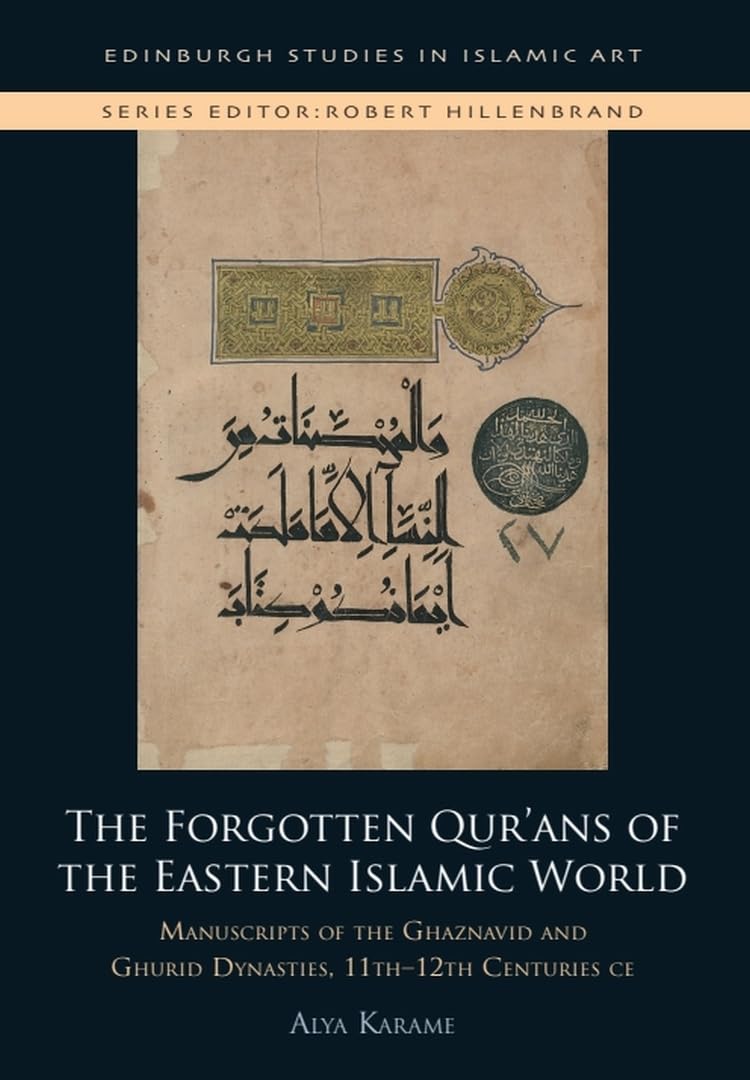
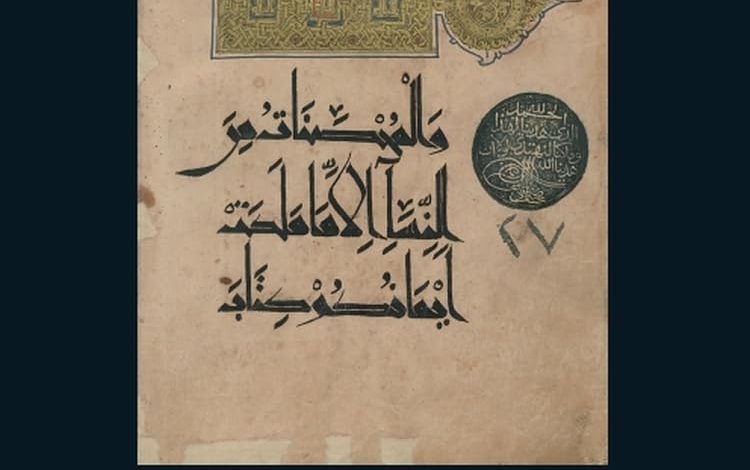
The Forgotten Qur’ans of the Eastern Islamic World Manuscripts of the Ghaznavid and Ghurid Dynasties, 11th-12th Centuries CE
Language: English
Published/Copyright:2026
Edition : 1st
Language : English
Publisher : Edinburgh University Press
Publication date : April 30, 2026
Print length : 400 pages
ISBN-10 : 1399512412
ISBN-13 : 978-1399512411
Send email to download :
Price : 21$
https://www.amazon.com/Forgotten-Qurans-Eastern-Islamic-World/dp/1399512412

https://www.degruyterbrill.com/document/doi/10.3366/9781399512435/html
دانلود رایگان کتاب The Forgotten Qur’ans of the Eastern Islamic World: Manuscripts of the Ghaznavid and Ghurid Dynasties, 11th-12th Centuries CE (Edinburgh Studies in Islamic Art)
The first in-depth examination of the earliest corpus of Qur’ans copied at the beginning of a transformative phase in the history of Qur’an production, at the eastern frontiers of the Islamic world
- Presents the first detailed study of a group of Qur’ans produced under the Ghaznavid and Ghurid dynasties
- Offers the first study towards understanding a transformative phase in the history of Qur’an production
- Examines Qur’ans at the eastern frontiers within the fluid transregional landscape in which their aesthetic was shaped, reclaiming ‘peripheries’ as centres of cultural production
- Narrates the conception, use and role of the Qur’an manuscript across time by contextualising them, setting out a new approach, beyond codicology, for the study of manuscripts
- Attributes mostly dispersed manuscripts of unknown date and origin to the medieval eastern Islamic world (950s-1250s CE) and lists them in an appendix
The Ghaznavid and Ghurid Qur’ans (c. eleventh–Twelfth centuries CE), studied for the first time as a corpus, inform of how the Qur’an was copied at the beginning of a transformative period in the history of its production when paper, new scripts and the vertical format were adopted. As the book illustrates the ways in which local visual trends were shaped out of diachronic and synchronic multidirectional movement within a medieval landscape that was continuously in flux, it shifts the focus to the eastern frontiers of the Islamic world, reclaiming them as centres of cultural production. It is by contextualising the Qur’an’s materiality within the religious, social and political context that the book ‘rehumanises’ them offering an understanding of how the manuscripts were conceived, produced and used, up until our day.
دانلود ایبوک قرآنهای فراموششدهی شرق جهان اسلام نسخههای خطی سلسلههای غزنوی و غوریان، قرنهای ۱۱ و ۱۲ میلادی
اولین بررسی عمیق از قدیمیترین مجموعه قرآنهای نسخهبرداری شده در آغاز مرحلهای تحولآفرین در تاریخ تولید قرآن، در مرزهای شرقی جهان اسلام
ارائه اولین مطالعه دقیق از گروهی از قرآنهای تولید شده در دوران سلسلههای غزنوی و غوری
ارائه اولین مطالعه برای درک مرحلهای تحولآفرین در تاریخ تولید قرآن
بررسی قرآنهای مرزهای شرقی در چشمانداز فرامنطقهای سیالی که زیباییشناسی آنها در آن شکل گرفته است، و بازپسگیری «حاشیهها» به عنوان مراکز تولید فرهنگی
روایت مفهوم، کاربرد و نقش نسخه خطی قرآن در طول زمان با زمینهمند کردن آنها، و ارائه رویکردی جدید، فراتر از نسخهشناسی، برای مطالعه نسخههای خطی
نسبت دادن نسخههای خطی عمدتاً پراکنده با تاریخ و منشأ ناشناخته به جهان اسلام شرقی قرون وسطی (950 تا 1250 میلادی) و فهرست کردن آنها در پیوست
قرآنهای غزنوی و غوری (حدود قرنهای یازدهم تا دوازدهم میلادی)، که برای اولین بار مورد مطالعه قرار گرفتهاند به عنوان یک مجموعه، اطلاعاتی در مورد چگونگی نسخهبرداری قرآن در آغاز یک دوره تحولآفرین در تاریخ تولید آن، زمانی که کاغذ، خطوط جدید و قالب عمودی مورد استفاده قرار گرفتند، ارائه میدهد. همانطور که کتاب شیوههای شکلگیری روندهای بصری محلی از حرکت چندجهته همزمان و همزمان در چشمانداز قرون وسطایی که پیوسته در حال تغییر بود را نشان میدهد، تمرکز را به مرزهای شرقی جهان اسلام تغییر میدهد و آنها را به عنوان مراکز تولید فرهنگی بازپس میگیرد. این کتاب با قرار دادن مادیت قرآن در بافت مذهبی، اجتماعی و سیاسی است که آنها را «انسانی» میکند و درکی از چگونگی درک، تولید و استفاده از نسخههای خطی تا به امروز ارائه میدهد.
فهرست مطالب ایبوک قرآنهای فراموششده
Publicly Available
Frontmatter
i
Publicly Available
Contents
v
Publicly Available
List of Figures, Tables and Maps
vi
Publicly Available
Acknowledgements
xv
Publicly Available
Notes for Readers
xviii
Publicly Available
Abbreviations
xix
Series Editor’s Foreword
xxi
Publicly Available
Preface
xxii
INTRODUCTION
1
CHAPTER 1 The First Ghaznavid Qur’ans: Alliance of Power and Religion
52
CHAPTER 2 A Sultan’s Qur’an: A New Genre
114
CHAPTER 3 A Royal Ghaznavid Atelier
160
CHAPTER 4 Ghurid Qur’ans in a Connected World
208
CHAPTER 5 A Polycentric Landscape in Khurasan and Beyond
252
CONCLUSION From Codicology to Cultural Materiality
315
Appendix I: Script and Layout Studies of the Earliest Ghaznavid Qur’ans
323
Appendix II: List of Qur’ans from the Medieval Eastern Islamic World, c. 950–1250 CE
331
Glossary
344
References
346
Index