دانلود کتاب Propeller Design Ohad Gur
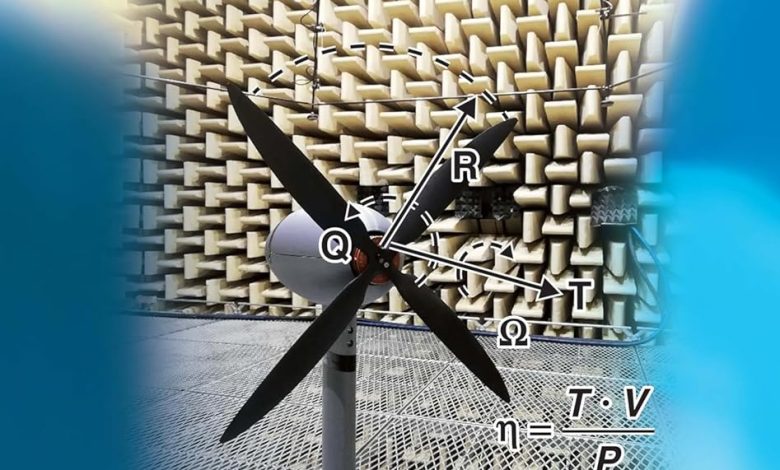
خرید ایبوک Propeller Design
برای دانلود ایبوک Propeller Design Ohad Gur و خرید کتاب طراحی سیستم های رانش پروانه ای بر روی کلید خرید در انتهای صفحه کلیک کنید. پس از اتصال به درگاه پرداخت هزینه و تکمیل مراحل خرید، لینک دانلود کتاب ایمیل می شود.این ایبوک در فرمت PDF اورجینال و به زبان انگلیسی ارسال می شود.نسخه الکترونیکی کتاب قابلیت کپی برداری copy و Paste دارد.
در صورتی که نیاز به پی دی اف هر کتابی از انتشارات arc.aiaa.orgدارید با گیگاپیپر مکاتبه کنید.
خرید کتاب Propeller Design Ohad Gur
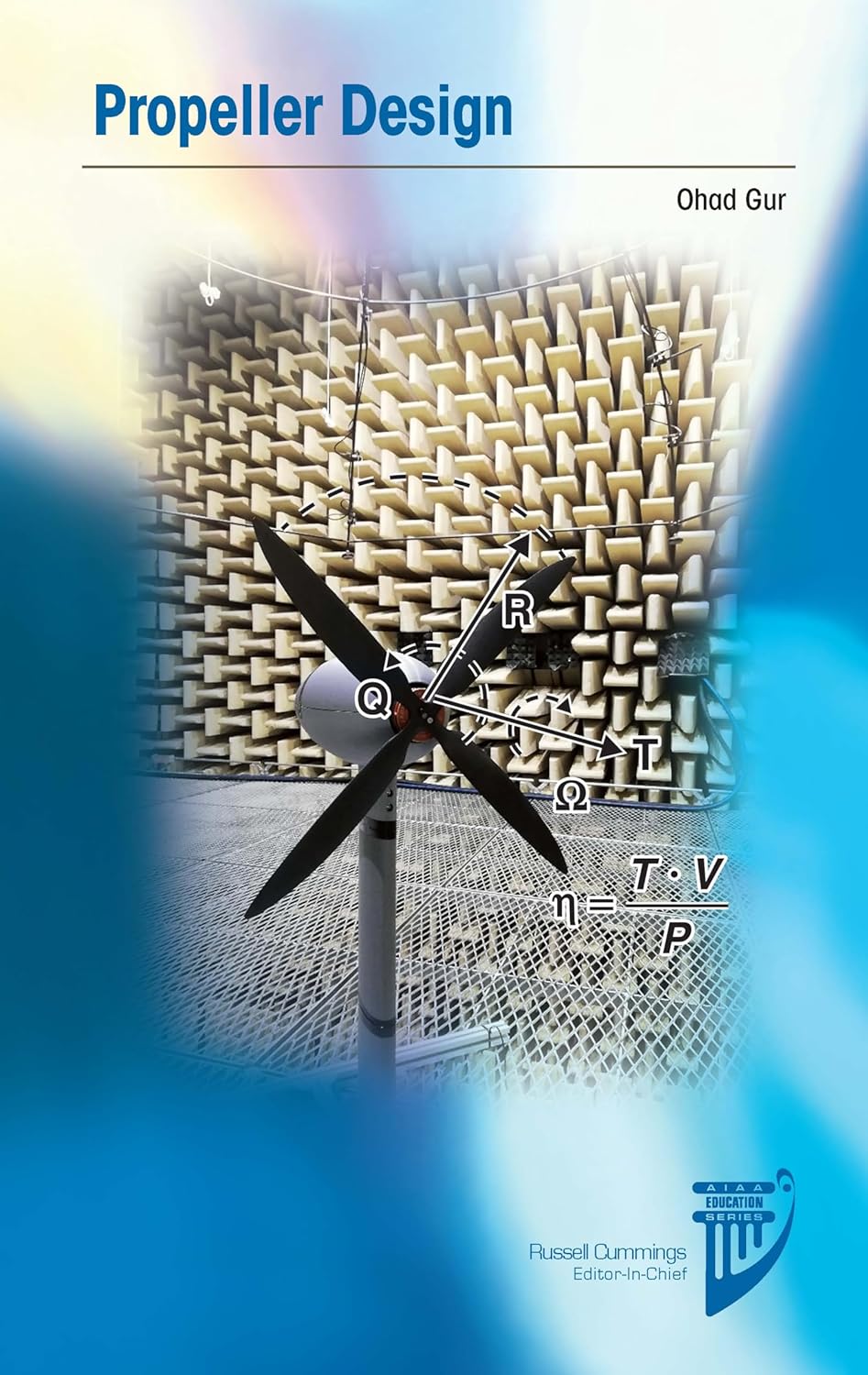
Propeller Design
by Ohad Gur (Author)
Publisher : American Institute of Aeronautics and Astronautics
Publication date : 30 July 2024
Language : English
Print length : 348 pages
ISBN-10 : 1624107133
ISBN-13 : 978-1624107139
ISBN (print): 978-1-62410-713-9
eISBN: 978-1-62410-714-6
Send email to download :
Price : 15$
https://arc.aiaa.org/doi/book/10.2514/4.107146
https://www.amazon.com/Propeller-Design-AIAA-Education-Ohad/dp/1624107133
دانلود رایگان کتاب Propeller Design
Propellers have gained popularity in recent decades as part of UAVs, multi-blade drones, and VTOL air taxis. However, modern books dealing with propellers are scarce. Most of the rotating wing literature concentrates on helicopters. Other books dedicate specialized chapters to propellers, in most cases as part of general aerodynamic or performance texts. Propeller Design by Ohad Gur therefore fulfills a gap in modern literature amidst increased interest in the topic. This book sums up three decades of the author’s experience with propeller analysis and design. As such, special care is given to the suitability of the analysis as part of a synergetic design framework.
The book starts with the general history of propeller evolution (chapter 1) and a view of the propeller design problem, which contains the fundamental vocabulary of propeller theory (chapter 2). Chapter 3 discusses propeller geometry and the parametric representation of its geometric properties. The aerodynamics of the propeller are reviewed thoroughly in chapters 4 through 7. Chapter 4 describes the basic blade-element model, BEM, used extensively throughout this book in various combinations. Chapter 5 describes three momentum theory models – axial, general, and simplified. Chapter 6 combines the BEM and momentum theory into blade-element/momentum theory, which is probably the most useful aerodynamic theory for propeller analysis. Finally, in Chapter 7, additional induced velocity theories are depicted, including vortex theory and lifting line model with three separate wake models. Chapter 8 describes the three standard engines used to power propellers: reciprocating, turboprop, and electric. Chapter 9 explains the propeller effect on the air vehicle on which it is installed. Chapters 10 and 11 deal with the acoustic and structure analysis of propellers. Chapter 12 closes the theoretical part of the book with a discussion of the propeller design process. It presents two significant methods: Betz’s based method and multidisciplinary design optimization, MDO. These are later demonstrated in four different design cases in chapter 13.
Although the book is aimed at engineers who strive to design propellers, it also benefits those who want to deepen their knowledge of propeller theory and design considerations.
OHAD GUR is an aerospace engineer who has specialized in propeller analysis and design. He teaches several courses on rotating wings, flight mechanics, and optimization in the Mechanical Engineering department of Ben-Gurion University of the Negev in Israel. He is an IAI (Israel Aerospace Industries) employee. Before that, he was a Virginia Tech faculty member as a Postdoctoral researcher, a researcher at the Technion–Israel Institute of Technology, an Aerospace engineer at BVR Systems, and an aerospace engineer in the IAF (Israeli Air Force). During his career, he designed and analyzed numerous propellers and rotating wings of various air vehicles.
Ohad received his B.Sc., M.Sc., and Ph.D. from the Aerospace Engineering Faculty at The Technion – Israel Institute of Technology.
دانلود ایبوک طراحی سیستم های رانش پروانه ای
پروانهها در دهههای اخیر به عنوان بخشی از پهپادها، هواپیماهای بدون سرنشین چند پره و تاکسیهای هوایی VTOL محبوبیت پیدا کردهاند. با این حال، کتابهای مدرن مربوط به پروانهها کمیاب هستند. بیشتر منابع مربوط به بال چرخان بر روی هلیکوپترها تمرکز دارند. کتابهای دیگر فصلهای تخصصی را به پروانهها اختصاص میدهند، در بیشتر موارد به عنوان بخشی از متون عمومی آیرودینامیک یا عملکرد. بنابراین، کتاب «طراحی پروانه» نوشته اوهاد گور، در بحبوحه افزایش علاقه به این موضوع، جای خالی موجود در ادبیات مدرن را پر میکند. این کتاب خلاصهای از سه دهه تجربه نویسنده در زمینه تحلیل و طراحی پروانه است. به همین دلیل، به مناسب بودن تحلیل به عنوان بخشی از یک چارچوب طراحی هم افزایی توجه ویژهای شده است.
این کتاب با تاریخچه کلی تکامل پروانه (فصل 1) و نگاهی به مسئله طراحی پروانه، که شامل واژگان اساسی نظریه پروانه (فصل 2) است، آغاز میشود. فصل 3 هندسه پروانه و نمایش پارامتری خواص هندسی آن را مورد بحث قرار میدهد. آیرودینامیک پروانه به طور کامل در فصلهای ۴ تا ۷ بررسی شده است. فصل ۴ مدل پایه المان پره، BEM، را که به طور گسترده در سراسر این کتاب در ترکیبهای مختلف استفاده میشود، شرح میدهد. فصل ۵ سه مدل نظریه مومنتوم – محوری، عمومی و ساده شده – را شرح میدهد. فصل ۶، BEM و نظریه مومنتوم را در نظریه المان پره/مومنتوم ترکیب میکند که احتمالاً مفیدترین نظریه آیرودینامیکی برای تحلیل پروانه است. در نهایت، در فصل ۷، نظریههای سرعت القایی اضافی، از جمله نظریه گردابه و مدل خط بالابر با سه مدل دنباله جداگانه، شرح داده شدهاند. فصل ۸ سه موتور استاندارد مورد استفاده برای به حرکت درآوردن پروانهها را شرح میدهد: رفت و برگشتی، توربوپراپ و الکتریکی. فصل ۹ اثر پروانه بر وسیله نقلیه هوایی که روی آن نصب شده است را توضیح میدهد. فصلهای ۱۰ و ۱۱ به تحلیل آکوستیک و ساختار پروانهها میپردازند. فصل ۱۲ بخش نظری کتاب را با بحثی در مورد فرآیند طراحی پروانه به پایان میرساند. این فصل دو روش مهم را ارائه میدهد: روش مبتنی بر بتز و بهینهسازی طراحی چند رشتهای، MDO. این موارد بعداً در فصل ۱۳ در چهار مورد طراحی مختلف نشان داده شدهاند.
اگرچه این کتاب برای مهندسانی است که در طراحی پروانهها تلاش میکنند، اما برای کسانی که میخواهند دانش خود را در مورد تئوری پروانه و ملاحظات طراحی عمیقتر کنند نیز مفید است.
اوهاد گور، مهندس هوافضا است که در تحلیل و طراحی پروانه تخصص دارد. او چندین دوره در مورد بالهای چرخان، مکانیک پرواز و بهینهسازی در بخش مهندسی مکانیک دانشگاه بن گوریون نقب در اسرائیل تدریس میکند. او کارمند IAI (صنایع هوافضای اسرائیل) است. پیش از آن، او به عنوان محقق پسادکترا عضو هیئت علمی ویرجینیا تک، محقق در موسسه فناوری تکنیون-اسرائیل، مهندس هوافضا در BVR Systems و مهندس هوافضا در IAF (نیروی هوایی اسرائیل) بود. در طول دوران حرفهای خود، او پروانهها و بالهای چرخان متعددی از وسایل نقلیه هوایی مختلف را طراحی و تحلیل کرد.
اوهاد مدرک کارشناسی، کارشناسی ارشد و دکترای خود را از دانشکده مهندسی هوافضا در تکنیون-موسسه فناوری اسرائیل دریافت کرد.
فهرست مطالب Propeller Design
Propeller Design
pp. i–xxvi
https://doi.org/10.2514/5.9781624107146.0000.0000
First Page
Read Now
No Access
Propeller History
pp. 1–20
https://doi.org/10.2514/5.9781624107146.0001.0020
First Page
Read Now
No Access
Propeller Design—Problem Description
pp. 21–26
https://doi.org/10.2514/5.9781624107146.0021.0026
First Page
Read Now
No Access
Propeller Geometric Definition
pp. 27–38
https://doi.org/10.2514/5.9781624107146.0027.0038
First Page
Read Now
No Access
Aerodynamic Model
pp. 39–60
https://doi.org/10.2514/5.9781624107146.0039.0060
First Page
Read Now
No Access
Momentum Theory
pp. 61–80
https://doi.org/10.2514/5.9781624107146.0061.0080
First Page
Read Now
No Access
Blade-Element/Momentum Theory
pp. 81–104
https://doi.org/10.2514/5.9781624107146.0081.0104
First Page
Read Now
No Access
Additional Induced-Velocity Models
pp. 105–120
https://doi.org/10.2514/5.9781624107146.0105.0120
First Page
Read Now
No Access
Engine–Propeller Matching
pp. 121–140
https://doi.org/10.2514/5.9781624107146.0121.0140
First Page
Read Now
No Access
Propeller Effect Over Air-Vehicle
pp. 141–172
https://doi.org/10.2514/5.9781624107146.0141.0172
First Page
Read Now
No Access
Propeller Acoustics
pp. 173–204
https://doi.org/10.2514/5.9781624107146.0173.0204
First Page
Read Now
No Access
Structural Model
pp. 205–228
https://doi.org/10.2514/5.9781624107146.0205.0228
First Page
Read Now
No Access
Propeller Design
pp. 229–242
https://doi.org/10.2514/5.9781624107146.0229.0242
First Page
Read Now
No Access
Design Examples
pp. 243–312
https://doi.org/10.2514/5.9781624107146.0243.0312
First Page
Read Now
No Access
Index
pp. 313–318
https://doi.org/10.2514/5.9781624107146.0313.0318
First Page
Read Now
No Access
Supporting Materials
pp. 319–320
https://doi.org/10.2514/5.9781624107146.0319.0320