دانلود کتاب Dynamics of Structures: Theory and Applications to Earthquake Engineering, 6th edition
خرید ایبوک Dynamics of Structures سال 2024
برای دانلود ایبوک Dynamics of Structures: Theory and Applications to Earthquake Engineering, 6th edition و خرید کتاب دینامیک سازه ها: نظریه و کاربردها در مهندسی زلزله ویرایش ششم سال 2024 مولف آنيل كا. چوپرا بر روی کلید خرید در انتهای صفحه کلیک کنید. پس از اتصال به درگاه پرداخت هزینه و تکمیل مراحل خرید، لینک دانلود کتاب ایمیل می شود.این ایبوک در فرمت PDF اورجینال و به زبان انگلیسی ارسال می شود.نسخه الکترونیکی کتاب قابلیت کپی برداری copy و Paste دارد.
در صورتی که نیاز به پی دی اف هر کتابی از انتشارات Pearson دارید با گیگاپیپر مکاتبه کنید.
خرید کتاب Dynamics of Structures 6 th E-Book – PDF
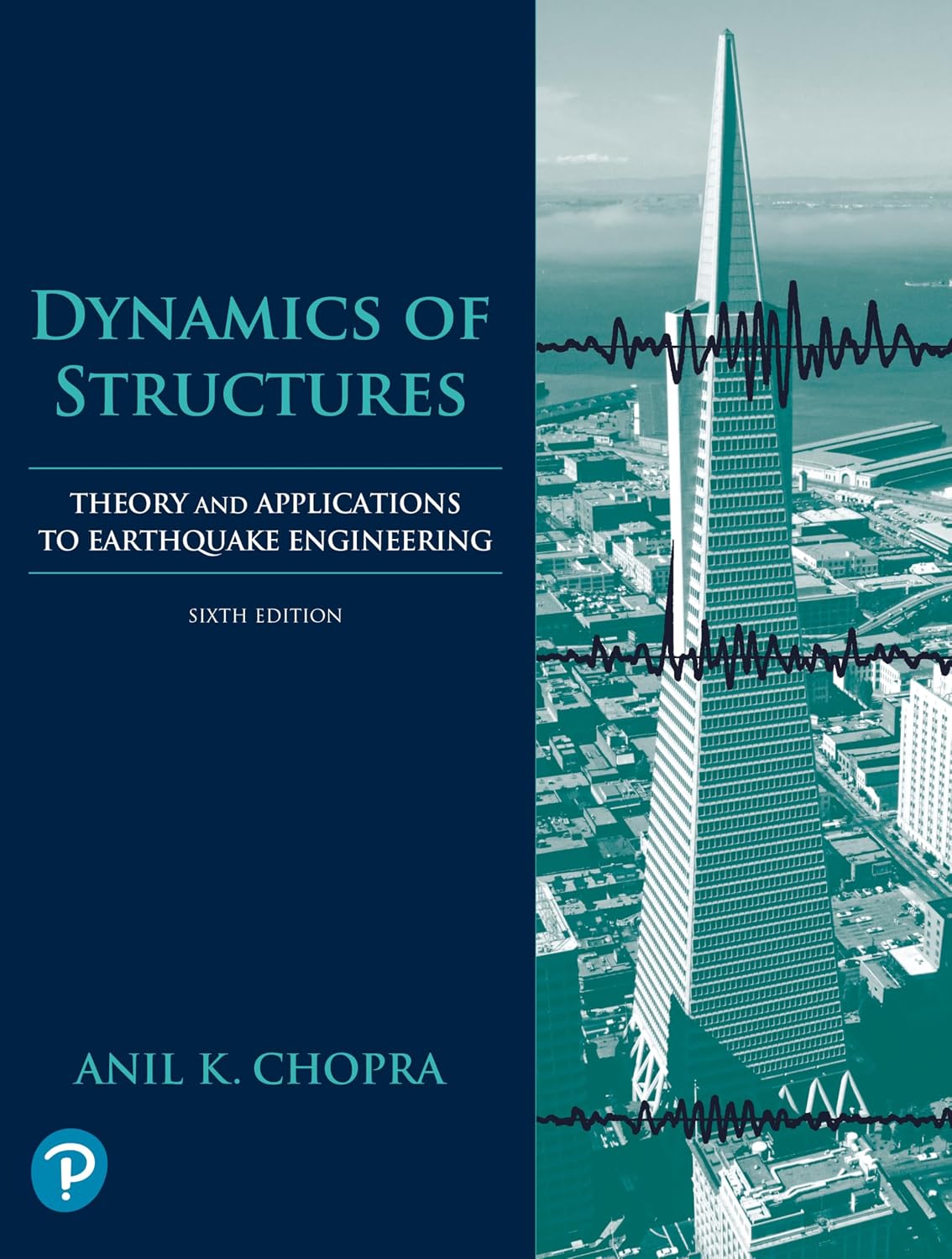
Dynamics of Structures: Theory and Applications to Earthquake Engineering, 6th edition Original pdf
Published by Pearson (1 March 2023) © 2024
Anil K. Chopra University of California at Berkeley
Publisher : Pearson
Publication date : October 18, 2022
Edition : 6th
Language : English
Print length : 1016 pages
ISBN-10 : 0137602529
ISBN-13 : 978-0137602520
Send email to download :
Price : 35$
https://www.pearson.com/en-us/subject-catalog/p/dynamics-of-structures-theory-and-applications-to-earthquake-engineering/P200000003471/9780137602605

https://www.amazon.com/Dynamics-Structures-Anil-Chopra/dp/0137602529
دانلود رایگان کتاب Dynamics of Structures: Theory and Applications to Earthquake Engineering, 6th در فرمت پی دی اف اورجینال و اصلی
LibraryofCongressCataloging-in-PublicationData
Names:Chopra,AnilK,author.
Title:Dynamicsofstructures:theoryandapplicationstoearthquakeengineering/AnilKChopra,UniversityofCaliforniaatBerkeley.
Description:Sixthedition.|Hoboken,NJ:Pearson,[2023]|Series:PrenticeHallinternationalseriesincivilengineeringandengineeringmechanics|Includesindex.
Identifiers:LCCN2021048795|ISBN9780137602513Subjects:LCSH:Earthquakeengineering.|Structuraldynamics.
Classification:LCCTA654.6.C4662023|DDC624.1/762—dc23/eng/20211006LCrecordavailableathttps://lccn.loc.gov/2021048795
“This book on dynamics of structures is conceived as a textbook for courses in civil engineering. It includes many topics in the theory of structural dynamics, and applications of this theory to earthquake analysis, response, design, and evaluation of structures. No prior knowledge of structural dynamics is assumed in order to make this book suitable for the reader learning the subject for the first time. The presentation is sufficiently detailed and carefully integrated by cross-referencing to make the book suitable for self-study. This feature of the book, combined with a practically motivated selection of topics, should interest professional engineers, especially those concerned with analysis and design of structures in earthquake country. In developing this book, much emphasis has been placed on making structural dynamics easier to learn by students and professional engineers because many find this subject to be difficult. To achieve this goal, the presentation has been structured around several features: The mathematics is kept as simple as each topic will permit. Analytical procedures are summarized to emphasize the key steps and to facilitate their implementation by the reader. These procedures are illustrated by over 125 worked-out examples, including many comprehensive and realistic examples where the physical interpretation of results is stressed. Some 600 figures have been carefully designed and executed to be pedagogically effective; many of them involve extensive computer simulations of dynamic response of structures. Photographs of structures and structural motions recorded during earthquakes are included to relate the presentation to the real world. The preparation of this book has been inspired by several objectives Relate the structural idealizations studied to the properties of real structures. Present the theory of dynamic response of structures in a manner that emphasizes physical insight into the analytical procedures. Illustrate applications of the theory to solutions of problems motivated by practical applications. Interpret the theoretical results to understand the response of structures to various dynamic excitation’s, with emphasis on earthquake excitation. Apply structural dynamics theory to conduct parametric studies that bring out several fundamental issues in the earthquake response, design, and evaluation of multistory buildings. This mode of presentation should help the reader to achieve a deeper understanding of the subject and to apply with confidence structural dynamicstheory in tackling practical problems, especially in earthquake analysis, design, and evaluation of structures, thus narrowing the gap between theory and practice”–
دانلود ایبوک ديناميك سازه ها (نظريه و كاربردها در مهندسي زلزله)، ويراست ششم (زبان اصلی) مولف آنيل كا. چوپرا
«این کتاب در مورد دینامیک سازهها به عنوان یک کتاب درسی برای دورههای مهندسی عمران در نظر گرفته شده است. این کتاب شامل مباحث بسیاری در نظریه دینامیک سازهها و کاربردهای این نظریه در تحلیل، پاسخ، طراحی و ارزیابی زلزله است. برای اینکه این کتاب برای خوانندهای که برای اولین بار این موضوع را یاد میگیرد، مناسب باشد، هیچ دانش قبلی از دینامیک سازهها در نظر گرفته نشده است. ارائه مطالب به اندازه کافی دقیق و با دقت با ارجاع متقابل ادغام شده است تا کتاب را برای خودآموزی مناسب کند. این ویژگی کتاب، همراه با انتخاب مباحث با انگیزه عملی، باید مهندسان حرفهای، به ویژه کسانی که با تحلیل و طراحی سازهها در کشورهای زلزلهخیز سروکار دارند، را جذب کند. در تدوین این کتاب، تأکید زیادی بر آسانتر کردن یادگیری دینامیک سازهها توسط دانشجویان و مهندسان حرفهای شده است، زیرا بسیاری این موضوع را دشوار میدانند. برای دستیابی به این هدف، ارائه مطالب حول چندین ویژگی ساختار یافته است: ریاضیات تا حد امکان ساده نگه داشته شده است. رویههای تحلیلی برای تأکید بر مراحل کلیدی و تسهیل اجرای آنها توسط خواننده خلاصه شدهاند. این رویهها با بیش از 125 مثال حل شده، از جمله بسیاری از مثالهای جامع و واقعگرایانه که در آنها تفسیر فیزیکی نتایج مورد تأکید قرار گرفته است، نشان داده شدهاند. برخی ۶۰۰ شکل با دقت طراحی و اجرا شدهاند تا از نظر آموزشی مؤثر باشند؛ بسیاری از آنها شامل شبیهسازیهای کامپیوتری گسترده از پاسخ دینامیکی سازهها هستند. عکسهایی از سازهها و حرکات سازهای ثبتشده در طول زلزله گنجانده شده است تا ارائه را به دنیای واقعی مرتبط کند. تهیه این کتاب با الهام از چندین هدف انجام شده است: مرتبط کردن ایدهآلسازیهای سازهای مورد مطالعه با خواص سازههای واقعی. ارائه نظریه پاسخ دینامیکی سازهها به شیوهای که بر بینش فیزیکی در رویههای تحلیلی تأکید دارد. کاربردهای نظریه را در راهحلهای مسائلی که با کاربردهای عملی برانگیخته شدهاند، نشان دهید. تفسیر نتایج نظری برای درک پاسخ سازهها به تحریکات دینامیکی مختلف، با تأکید بر تحریک زلزله. بهکارگیری نظریه دینامیک سازه برای انجام مطالعات پارامتری که چندین مسئله اساسی را در پاسخ زلزله، طراحی و ارزیابی ساختمانهای چند طبقه مطرح میکند. این شیوه ارائه باید به خواننده کمک کند تا به درک عمیقتری از موضوع دست یابد و با اطمینان نظریه دینامیک سازه را در مقابله با مشکلات عملی، بهویژه در تحلیل، طراحی و ارزیابی زلزله سازهها، به کار گیرد و در نتیجه شکاف بین نظریه و عمل را کاهش دهد.
کتاب دینامیک سازه ها و تعیین نیرو های زلزله ویرایش 6 ششم
فهرست مطالب ایبوک دینامیک سازه ها تئوری و کاربرد در مهندسی زلزله سال 2024
PART I: SINGLE-DEGREE-OF-FREEDOM SYSTEMS
- Equations of Motion, Problem Statement, and Solution Methods
- Free Vibration
- Response to Harmonic and Periodic Excitations
- Response to Arbitrary, Step, and Pulse Excitations
- Numerical Evaluation of Dynamic Response
- Earthquake Response of Linear Systems
- Earthquake Response of Inelastic Systems
- Generalized Single-Degree-of-Freedom Systems
PART II: MULTI-DEGREE-OF-FREEDOM SYSTEMS
- Equations of Motion, Problem Statement, and Solution Methods
- Free Vibration
- Damping in Structures
- Dynamic Analysis and Response of Linear Systems
- Earthquake Analysis of Linear Systems
- Analysis of Nonclassically Damped Linear Systems
- Reduction of Degrees of Freedom
- Numerical Evaluation of Dynamic Response
- Systems with Distributed Mass and Elasticity
- Introduction to the Finite Element Method
PART III: EARTHQUAKE RESPONSE, DESIGN, AND EVALUATION OF MULTISTORY BUILDINGS
- Earthquake Response of Linearly Elastic Buildings
- Earthquake Analysis and Response of Inelastic Buildings
- Earthquake Dynamics of Base-Isolated Buildings
- Earthquake Dynamics of Building–Soil Interaction
- Structural Dynamics in Building Codes
- Structural Dynamics in Building Evaluation Guidelines
APPENDICES
ANSWERS TO SELECTED PROBLEMS
FREQUENCY-DOMAIN METHOD OF RESPONSE ANALYSIS
NOTATION