دانلود استاندارد ISPE Guide: Advanced Therapy Medicinal Products – Autologous Cell Therapy

خرید ایبوک ISPE Guide: ATMPs – Autologous Cell Therapy
برای دانلود استاندارد ISPE Guide: Advanced Therapy Medicinal Products – Autologous Cell Therapy و خرید کتاب راهنمای ISPE: فرآوردههای دارویی درمانی پیشرفته – سلولدرمانی اتولوگ بر روی کلید خرید در انتهای صفحه کلیک کنید. پس از اتصال به درگاه پرداخت هزینه و تکمیل مراحل خرید، لینک دانلود کتاب ایمیل می شود.این ایبوک در فرمت PDF اورجینال و به زبان انگلیسی ارسال می شود.نسخه الکترونیکی کتاب قابلیت کپی برداری copy و Paste دارد.
در صورتی که نیاز به پی دی اف هر کتابی از انتشارات International Society for Pharmaceutical Engineering (ISPE) دارید با گیگاپیپر مکاتبه کنید.
خرید کتاب Guide: ATMPs – Autologous Cell Therapy
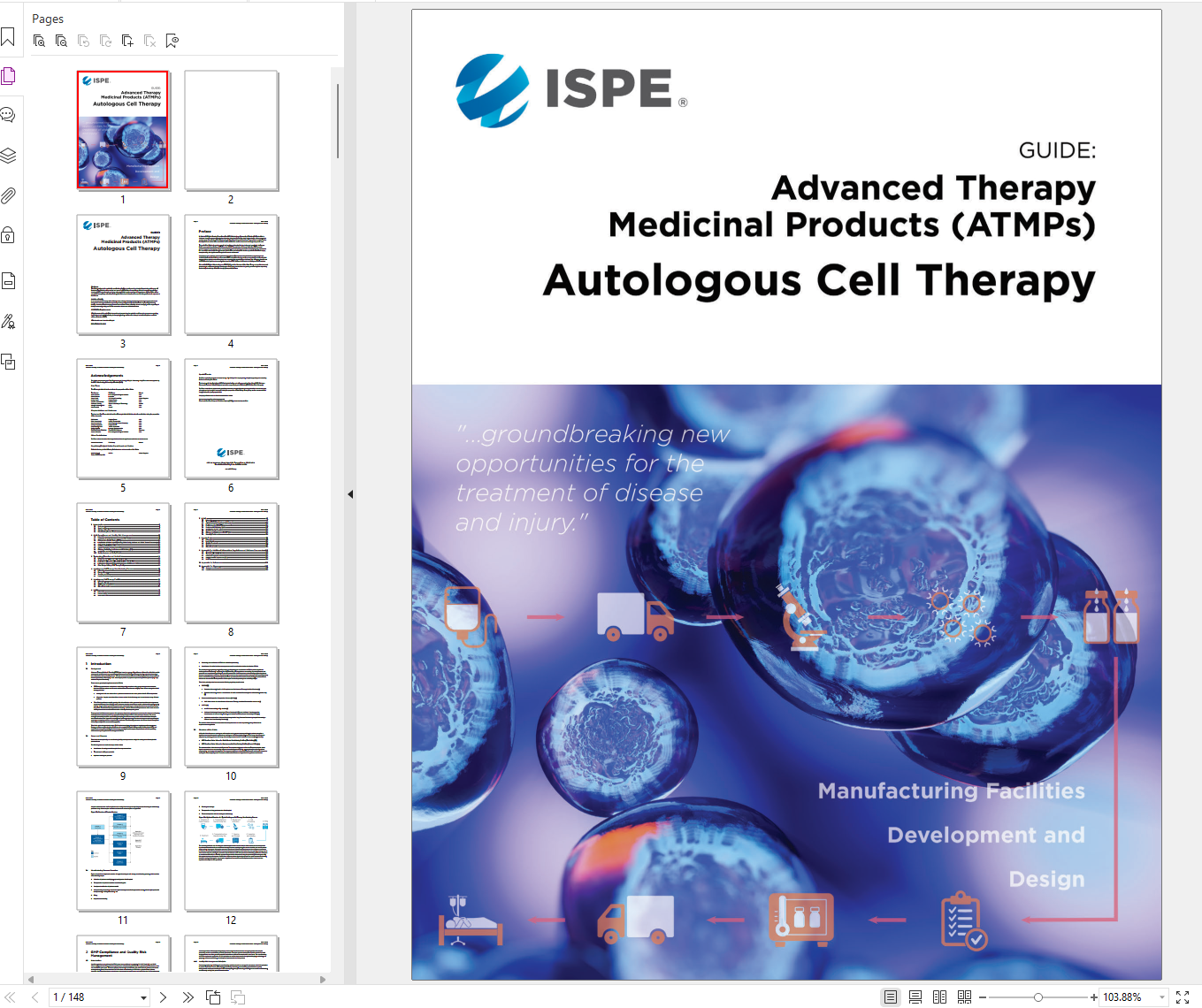
ISPE Guide: Advanced Therapy Medicinal Products – Autologous Cell Therapy
Handbook / Manual / Guide by International Society for Pharmaceutical
Handbook / Manual / Guide by International Society for Pharmaceutical Engineering , 2021
Pages: 148
Published: 2021
Send email to download :
Price : 35$
https://store.accuristech.com/standards/ispe-guide-atmps-autologous-cell-therapy?product_id=2240875

https://ispe.org/publications/guidance-documents/guide-atmps-autologous-cell-therapy
دانلود رایگان استاندارد Guide: ATMPs – Autologous Cell Therapy
Advanced Therapy Medicinal Product (ATMP) therapies include cells, engineered tissues, or the manipulation of the patient’s genome. This is in contrast with traditional manufacturing processes for compounds that are synthetically derived (i.e., small molecule) or proteins or peptides expressed by cellular systems (i.e., large molecule biopharmaceuticals). ATMPs are based on genes, cells, or tissues delivered to patients to provide a therapeutic benefit based on a specific target of interest.
There are two general primary focus areas for ATMPs:
- Cell therapy products are manipulated whole living cells, sometimes using gene therapy methods that are introduced into the patient and act at the cellular level to treat disease or injury. There are two categories of cell therapy products:
- Autologous: Cells are derived from a patient and returned to the same patient after in vitro manipulation.
- Allogeneic: Samples are derived from donors and the final cell therapy can be used to treat many different patients.
- Gene therapy refers to a rapidly growing field of medicine in which genes are introduced into the body to treat or prevent diseases. Gene therapy active substance contains recombinant nucleic acid that will regulate, repair, replace, add, or delete a genetic sequence in the patient. Although a variety of methods can be used to deliver the genetic materials into the target cells and tissues, modified viral vectors represent one of the more common delivery routes because of their transduction efficiency for therapeutic genes
This Guide acknowledges that the term ATMP is quite broad and that these are emerging therapies utilizing rapidly evolving technology and equipment. In recognition of this, this Guide focuses on autologous cell therapies while providing content that may be applicable to other types of ATMPs.
This Guide focuses primarily on manufacturing facility development and design for autologous cell therapies for parenteral use. This Guide provides an overview of the critical aspects of ATMP facility design as well as the key relationship between current process/facility attribute alignment and how that changes in the ATMP space.
دانلود استاندارد راهنمای ISPE: فرآوردههای دارویی درمانی پیشرفته – سلولدرمانی اتولوگ
درمانهای مبتنی بر «محصولات دارویی با فناوری پیشرفته» (ATMP) شامل سلولها، بافتهای مهندسیشده یا دستکاری ژنوم بیمار هستند. این رویکرد با فرآیندهای تولید سنتی برای ترکیباتی که منشأ سنتزی دارند (مانند مولکولهای کوچک) یا پروتئینها و پپتیدهای حاصل از سیستمهای سلولی (مانند داروهای زیستی با مولکول بزرگ) متفاوت است. محصولات ATMP بر پایه ژنها، سلولها یا بافتهایی هستند که برای ایجاد اثر درمانی و با هدف قرار دادن یک نقطه مشخص، به بیمار منتقل میشوند.
دو حوزه اصلی و کلی برای محصولات ATMP وجود دارد:
محصولات سلولدرمانی شامل سلولهای زنده و کاملی هستند که دستکاری شدهاند (گاهی با استفاده از روشهای ژندرمانی)؛ این سلولها به بدن بیمار وارد شده و برای درمان بیماری یا آسیب، در سطح سلولی عمل میکنند. محصولات سلولدرمانی به دو دسته تقسیم میشوند:
اتولوگ (Autologous): سلولها از خودِ بیمار گرفته شده و پس از دستکاری در شرایط آزمایشگاهی (in vitro)، دوباره به همان بیمار بازگردانده میشوند.
آلوژنیک (Allogeneic): نمونهها از اهداکنندگان گرفته میشوند و محصول نهایی سلولدرمانی میتواند برای درمان بیماران متعدد مورد استفاده قرار گیرد.
ژندرمانی به حوزهای از پزشکی اطلاق میشود که به سرعت در حال رشد است و در آن، ژنها برای درمان یا پیشگیری از بیماریها به بدن وارد میشوند. ماده مؤثره در ژندرمانی حاوی اسید نوکلئیک نوترکیب است که توالی ژنتیکی بیمار را تنظیم، ترمیم، جایگزین، اضافه یا حذف میکند. اگرچه برای انتقال مواد ژنتیکی به سلولها و بافتهای هدف میتوان از روشهای گوناگونی استفاده کرد، اما ناقلهای ویروسی اصلاحشده به دلیل کارایی بالایشان در انتقال (ترانسداکشن) ژنهای درمانی، یکی از رایجترین روشهای انتقال محسوب میشوند.
این راهنما اذعان دارد که اصطلاح ATMP بسیار گسترده است و این درمانها، روشهایی نوظهور محسوب میشوند که از فناوریها و تجهیزاتی با روند تکامل سریع بهره میبرند. با توجه به این نکته، تمرکز این راهنما بر درمانهای سلولی اتولوگ است، هرچند مطالبی ارائه میدهد که ممکن است برای سایر انواع ATMP نیز کاربرد داشته باشد.
تمرکز اصلی این راهنما بر توسعه و طراحی تأسیسات تولیدی برای درمانهای سلولی اتولوگ با کاربرد تزریقی (پارانترال) است. این راهنما ضمن ارائه نمایی کلی از جنبههای حیاتی طراحی تأسیسات ATMP، به رابطه کلیدی میان همسویی ویژگیهای فعلی فرآیند/تأسیسات و چگونگی تغییر این وضعیت در حوزه ATMP میپردازد.
فهرست مطالب ISPE Guide ATMPs Autologous Cell Therapy
Table of Contents
1 Introduction ……………………………………………………………………………………………………….71.1 Background………………………………………………………………………………………………………………………………..71.2 Scope and Purpose …………………………………………………………………………………………………………………….71.3 Structure of the Guide………………………………………………………………………………………………………………….81.4 Manufacturing Process Overview ………………………………………………………………………………………………….92 GMP Compliance and Quality Risk Management ……………………………………………….112.1 Introduction ……………………………………………………………………………………………………………………………… 112.2 Application of Quality Risk Management to ATMP Facilities……………………………………………………………. 112.3 Contamination Control Strategy (CCS)…………………………………………………………………………………………152.4 Identification of Critical Aspects (including Critical Quality Attributes and Critical Process Parameters)… 182.5 GMP Design Requirements ………………………………………………………………………………………………………..192.6 Multi-Product/Multi-Patient Processing…………………………………………………………………………………………192.7 Aseptic Processing Requirements……………………………………………………………………………………………….212.8 Cleaning, Sanitization, and Environmental Monitoring (EM)……………………………………………………………. 222.9 Qualification and Validation…………………………………………………………………………………………………………232.10 Quality Assurance and Quality Control …………………………………………………………………………………………253 Technology Transfer and Scale-Out ………………………………………………………………… 293.1 Introduction ………………………………………………………………………………………………………………………………293.2 Quality Aspects of Technology Transfer/Scale-Out………………………………………………………………………… 303.3 Implications of Technology Transfer/Scale-Out on Supply Chain …………………………………………………….. 333.4 Implications of Technology Transfer/Scale-Out on Facilities and Utilities………………………………………….. 333.5 Case Study – Building a Cell Therapy Facility………………………………………………………………………………. 344 Autologous Cell Therapy Manufacturing Process ……………………………………………. 374.1 Introduction ………………………………………………………………………………………………………………………………374.2 Process Closure………………………………………………………………………………………………………………………..374.3 Sampling and QC………………………………………………………………………………………………………………………444.4 Process Understanding………………………………………………………………………………………………………………455 Autologous Cell Therapy Facilities………………………………………………………………….. 555.1 Introduction ………………………………………………………………………………………………………………………………555.2 Operating Principles…………………………………………………………………………………………………………………..555.3 GMP Layout and Architecture……………………………………………………………………………………………………..675.4 Other Considerations…………………………………………………………………………………………………………………756 Utilities…………………………………………………………………………………………………………….. 816.1 Introduction ………………………………………………………………………………………………………………………………816.2 Process Utilities ………………………………………………………………………………………………………………………..816.3 Mechanical Utilities ……………………………………………………………………………………………………………………90Page 6 ISPE Guide: Advanced Therapy Medicinal Products – Autologous Cell Therapy7 HVAC ………………………………………………………………………………………………………………. 977.1 Introduction ………………………………………………………………………………………………………………………………977.2 Typical ATMP Critical Environmental Parameters………………………………………………………………………….. 987.3 Process Knowledge, Risk, and HVAC Design …………………………………………………………………………….. 1027.4 Facility Layout and HVAC Design………………………………………………………………………………………………1047.5 Environmental Monitoring System ……………………………………………………………………………………………..1077.6 Qualification of HVAC Systems………………………………………………………………………………………………….1087.7 Cost Considerations…………………………………………………………………………………………………………………1087.8 Cleaning and Maintenance of HVAC Systems…………………………………………………………………………….. 1097.9 Biosafety Containment…………………………………………………………………………………………………………….. 1108 Supply Chain…………………………………………………………………………………………………… 1118.1 Introduction ……………………………………………………………………………………………………………………………..1118.2 Input Materials ……………………………………………………………………………………………………………………….. 1128.3 On-Site Considerations……………………………………………………………………………………………………………. 1138.4 Outputs …………………………………………………………………………………………………………………………………. 1178.5 Other Considerations………………………………………………………………………………………………………………. 1199 Appendix 1 – Additional Information: Regulations and Guidance Documents….1219.1 General ………………………………………………………………………………………………………………………………….1219.2 Technology Transfer/Scale-out ………………………………………………………………………………………………….1229.3 Risk-Based Approach ………………………………………………………………………………………………………………1249.4 Starting Material Requirements (EU)………………………………………………………………………………………….1259.5 HVAC …………………………………………………………………………………………………………………………………….13010 Appendix 2 – References …………………………………………………………………………………13111 Appendix 3 – Glossary…………………………………………………………………………………….13711.1 Acronyms and Abbreviations …………………………………………………………………………………………………….13711.2 Definitions ………………………………………………………………………………………………………………………………140