برای دانلود ایبوک Port Designer’s Handbook: Thoresen, Carl 4nd Edition و خرید کتاب راهنمای طراحان بندر نسخه چهارم سال 2018 بر روی کلید خرید در انتهای صفحه کلیک کنید. پس از اتصال به درگاه پرداخت هزینه و تکمیل مراحل خرید، لینک دانلود کتاب ایمیل می شود.این ایبوک در فرمت PDF به زبان انگلیسی ارسال می شود.نسخه الکترونیکی کتاب قابلیت کپی برداری copy و Paste دارد.
در صورتی که نیاز به پی دی اف هر کتابی از انتشارات emerald دارید با گیگاپیپر مکاتبه کنید.
خرید کتاب Port Designers’ Handbook, 4rd Edition
Port Designer’s Handbook Hardcover – 3 April 2018
Carl Thoresen
ISBN: 9780727763075, 0727763075
Page count: 664 Published: April 3, 2018 Format: Hardcover Publisher: Emerald Publishing Limited Language: English Author: Carl Thoresen
دانلود رایگان کتاب Port Designer’s Handbook: Thoresen, Carl
Now in its fourth edition, Port Designer’s Handbook is the definitive guide to the layout, design and construction of harbours and port structures. Fully in line with the latest PIANC recommendations, this book covers all aspects of port planning and design from the impact of natural conditions on harbours, to health and safety, and the maintenance and repair of port structures as well as channel and harbour basins. Particular attention is given to the impact from ships, including berthing requirements, ship dimension tables and container terminals.
This fully revised edition has also seen the material updated to provide coverage of:
new design and construction methods of the quay structures
floating berth structures for large vessels
detailed evaluation of the necessary mooring system
evaluation of the bollard system and layout
new design and evaluation of the fender system according to the new PIANC recommendation
updating the design of the erosion problem in the front of the quay due to the ship propellers
concrete in port structures
With an intuitive layout where the reader can easily find information on practical construction methods, Carl A. Thoresen’s guide is an essential purchase for all practicing port and harbour engineers, designers and contractors, as well as students new to this continually developing area.
دانلود ایبوک راهنمای طراحان بندر سال 2018 ویرایش چهارم
اکنون در ویرایش چهارم، دفترچه راهنمای طراحان بندر، راهنمای قطعی برای چیدمان، طراحی و ساخت بنادر و سازههای بندری است. این کتاب کاملاً مطابق با آخرین توصیههای PIANC، تمام جنبههای برنامهریزی و طراحی بندر از تأثیر شرایط طبیعی بر بنادر، تا سلامت و ایمنی، و نگهداری و تعمیر سازههای بندری و همچنین حوضههای کانال و بندر را پوشش میدهد. توجه ویژه ای به تأثیر کشتی ها، از جمله الزامات پهلوگیری، جداول ابعاد کشتی و پایانه های کانتینری داده می شود.
این نسخه کاملاً اصلاحشده همچنین مطالب را بهروزرسانی کرده است تا پوششی از موارد زیر ارائه دهد:
روش های جدید طراحی و ساخت سازه های اسکله سازه های اسکله شناور برای کشتی های بزرگ ارزیابی دقیق سیستم پهلوگیری لازم ارزیابی سیستم بولارد و طرح طراحی و ارزیابی جدید سیستم گلگیر طبق توصیه جدید PIANC به روز رسانی طراحی مشکل فرسایش در جلوی اسکله به دلیل پروانه های کشتی بتن در سازه های بندری راهنمای Carl A. Thoresen با یک چیدمان بصری که در آن خواننده میتواند به راحتی اطلاعاتی در مورد روشهای ساخت و ساز عملی پیدا کند، خریدی ضروری برای همه مهندسان، طراحان و پیمانکاران بندر و بندرگاه، و همچنین دانشجویانی است که تازه وارد این منطقه به طور مداوم در حال توسعه هستند.
خرید ایبوک Piers Jetties and Related Structures Exposed to Waves Guidelines for hydraulic loadings 2nd Edition
برای دانلود ایبوک Piers, Jetties and Related Structures Exposed to Waves Guidelines for hydraulic loadings 2nd Edition و خرید کتاب اسکله ها، لنگرگاه ها و سازه های مرتبط در معرض امواج رهنمودهای بارگذاری هیدرولیکی نسخه دوم سال 2024 بر روی کلید خرید در انتهای صفحه کلیک کنید. پس از اتصال به درگاه پرداخت هزینه و تکمیل مراحل خرید، لینک دانلود کتاب ایمیل می شود.این ایبوک در فرمت PDF به زبان انگلیسی ارسال می شود.نسخه الکترونیکی کتاب قابلیت کپی برداری copy و Paste دارد.
در صورتی که نیاز به پی دی اف هر کتابی از انتشارات emerald دارید با گیگاپیپر مکاتبه کنید.
خرید کتاب Quay Walls routledge
Piers, Jetties and Related Structures Exposed to Waves Second edition
دانلود رایگان کتاب اسکله ها، لنگرگاه ها و سازه های مرتبط در معرض امواج رهنمودهای بارگذاری هیدرولیکی
Piers, Jetties and Related Structures Exposed to Waves, Second Edition delivers guidelines for engineers to analyse and optimise pier and jetty designs. With ports now having to account for larger ship sizes, there is an increasing need for these marine structures to be longer and constructed in significantly deeper water. Increased construction costs, structures in exposed locations, and health and safety concerns are just some of the aspects that a coastal engineer must consider when designing and building new maritime structures.
This fully revised and updated edition provides full descriptions of the process covering:
guidance on hydraulic design, including design wave conditions, prediction of scour and vessel mooring loads
new methods (developed from extensive laboratory testing) for the prediction of wave loading, including forces on the underside of jetty decks
new equations, graphs and coefficients for wave loadings
updated coefficients for impulsive loads
revised discussion on effects of trapped air
expanded discussion on scaling loads from hydraulic models.
With a vastly experienced team with associations to HR Wallingford, Piers, Jetties and Related Structures Exposed to Waves is the essential reading for maritime designers and consultants tasked with analysing, designing and constructing piers and jetties.
دانلود ایبوک دیوارهای اسکله
اسکله ها، اسکله ها و سازه های مرتبط در معرض امواج، نسخه دوم دستورالعمل هایی را برای مهندسان ارائه می دهد تا طرح های اسکله و اسکله را تحلیل و بهینه کنند. با توجه به اینکه بنادر اکنون باید اندازه کشتی های بزرگتر را در نظر بگیرند، نیاز فزاینده ای برای طولانی تر بودن این سازه های دریایی وجود دارد و در آب بسیار عمیق تر ساخته می شوند. افزایش هزینه های ساخت و ساز، سازه ها در مکان های در معرض، و نگرانی های بهداشتی و ایمنی تنها برخی از جنبه هایی هستند که یک مهندس ساحلی هنگام طراحی و ساخت سازه های دریایی جدید باید در نظر بگیرد.
این نسخه کاملاً اصلاح شده و به روز شده توضیحات کاملی از فرآیند را ارائه می دهد:
راهنمایی در مورد طراحی هیدرولیک، از جمله شرایط موج طراحی، پیش بینی آبشستگی و بارهای پهلوگیری کشتی روشهای جدید (که از آزمایشهای آزمایشگاهی گسترده ایجاد شدهاند) برای پیشبینی بارگذاری موج، از جمله نیروهای وارد بر سطح زیرین عرشههای اسکله معادلات، نمودارها و ضرایب جدید برای بارگذاری موج ضرایب به روز شده برای بارهای ضربه ای بحث تجدید نظر شده در مورد اثرات هوای محبوس شده بحث گسترده در مورد بارهای مقیاس از مدل های هیدرولیک.
با یک تیم بسیار مجرب با ارتباط با منابع انسانی والینگفورد، اسکله ها، اسکله ها و سازه های مرتبط در معرض امواج، مطالعه ضروری برای طراحان و مشاوران دریایی است که وظیفه تجزیه و تحلیل، طراحی و ساخت اسکله ها و اسکله ها را دارند.
فهرست مطالب Piers, Jetties
Foreword Preface Acknowledgments About the Authors Notations Chapter 1. Introduction Chapter 2. Definitions of exposed jetties, typical locations and exposures Chapter 3. Aspects of design Chapter 4. Wave forces on vertical elements Chapter 5. Wave forces on horizontal elements Chapter 6. Scour Chapter 7. Other design and construction issues Chapter 8. References
خرید ایبوک The Repo Market Shorts Shortages Squeezes
برای دانلود ایبوک The Repo Market, Shorts, Shortages and Squeezes و خرید کتاب شیوه نامه قرارداد خرید مجدد (Repo) بر روی کلید خرید در انتهای صفحه کلیک کنید. پس از اتصال به درگاه پرداخت هزینه و تکمیل مراحل خرید، لینک دانلود کتاب ایمیل می شود.این ایبوک در فرمت PDF و به زبان انگلیسی ارسال می شود.نسخه الکترونیکی کتاب قابلیت کپی برداری copy و Paste ندارد.
در صورتی که نیاز به پی دی اف هر کتابی از انتشارات awwa دارید با گیگاپیپر مکاتبه کنید.
خرید کتاب The Repo Market, Shorts, Shortages & Squeezes 2023
دانلود رایگان کتاب The Repo Market, Shorts, Shortages, and Squeezes
The Repo market is the most important market few people know about. It’s a pillar of the financial system that’s often misunderstood yet plays a vital role in the industry. If the financial markets are the engine that powers the economy, the Repo market is the oil that lubricates that engine.
The entire financial system relies on the Repo market. There would be no modern financial system without the Repo market. At the same time, there would have been no Salomon Brothers, Long Term Capital Management, Bear Stearns, Lehman Brothers, or MF Global without the Repo market either.
Industry veteran, Scott E.D. Skyrm provides a rare insider’s view into everything you need to know about the Repo Market in this easy to understand and highly readable book.
دانلود ایبوک بازار رپو، شورت، کسری و فشار
بازار رپو مهم ترین بازاری است که افراد کمی در مورد آن می دانند. این یکی از ستونهای سیستم مالی است که اغلب به اشتباه درک میشود، اما نقشی حیاتی در صنعت بازی میکند. اگر بازارهای مالی موتوری هستند که اقتصاد را تقویت می کنند، بازار رپو روغنی است که آن موتور را روان می کند.
کل سیستم مالی به بازار رپو متکی است. بدون بازار رپو هیچ سیستم مالی مدرنی وجود نخواهد داشت. در عین حال، بدون بازار رپو، هیچ Salomon Brothers، Long Term Capital Management، Bear Stearns، Lehman Brothers یا MF Global وجود نداشت.
کهنه کار صنعت، اسکات E.D. Skyrm در این کتاب آسان برای درک و بسیار خواندنی، دیدگاه نادری را در مورد هر چیزی که در مورد بازار Repo باید بدانید، ارائه می دهد.
فهرست مطالب
Contents Part 1000 Analytical and Data Quality Systems i Summary of Major Changes 2 1010 Introduction 3 A. Scope and Application of Methods 3 B. Statistics 3 C. Terminology 6 D. Operations for Diluting and Concentrating Samples 7 1020 Quality Assurance 8 A. Introduction 8 B. Quality Control 10 C. Quality Assessment. 18 1030 Data Quality 19 A. Introduction 19 B. Measurement Uncertainty 20 C. Method Detection Level 23 D. Data Quality Objectives 24 E. Checking Analyses’ Correctness 26 1040 Method Development and Evaluation 28 A. Introduction 28 B. Method Validation 28 C. Collaborative Multilaboratory Testing 30 1050 Expression of Results 31 A. Units 31 B. Significant Figures 39 C. O^er Considerations 41 1060 Collection and Preservation of Samples 42 A. Introduction 42 B. Collection of Samples 44 C. Sample Storage and Preservation 48 1080 Reagent Water 52 A. Introduction 52 * B. Methods for Preparing Reagent-Grade Water 52 C. Reagent Water Quality 54 1090 Laboratory Occupational Health and Safety 54 A. Introduction 54 B. Safe Laboratory Practices 56 C, Laboratory Facility and Fixed Equipment 61 D. Hazard Evaluation 62 E. Personal Protective Equipment 62 F. Worker Protection Medical Program 65 G・Provisions for Work with Particularly Hazardous Substances 66 H. Biological Safety 67 I. Radiological Safety 68 J. Chemical Hygiene Plan 70 K. Mercury Use Avoidance in Laboratory….. 71 1100 Waste Minimization and Disposal 71 A. Introduction 71 B. Waste Minimization 71 C. Waste Treatment and Disposal 72 Part 2000 Physical and Aggregate Properties of Water and Wastewater 75 Summary of Major Changes 76 2010 Introduction 77 2020 Quality Assurance/Quality Control 77 A. Introduction 77 B. Quality Control Practices 78 2110 Appearance 81 2120 Color 81 A, Introduction 81 B. Visual Comparison Method 82 C. Spectrophotometric—Single-Wavelength Method (Proposed) 84 D. Spectrophotometric—Multi-Wavelength Method , 85 E. Tristimulus Spectrophotometric Method 87 F. ADMI Weighted-Ordinate Spectrophotometric Method 87 2130 Turbidity 88 A. Introduction 88 B. Nephelometric Method 89 2150 Odor 91 A. Introduction 91 B. Threshold OdorTest 92 C. Total Intensity of Odor (Proposed) 96 2160 Taste 98 A. Introduction 98 B. Flavor Threshold Test (FTT) 98 C. Flavor Rating Assessment (FRA) 100 2170 Flavor Profile Analysis 101 A. Introduction 101 B. Flavor Profile Analysis 102 2310 Acidity 109 A. Introduction.,. 109 B. Titration Method 109 2320 Alkalinity Ill A. Introduction 111 B. Titration Method 112 2330 Calcium Carbonate Saturation 114 A. Introduction 114 B. Indices Indicating a Water’s Tendency to Precipitate or Dissolve CaCO? 116 C. Indices Predicting the Quantity of CaCO3 that can be Precipitated or Dissolved 121 xi Contents D. Graphical and Computer Methods for CaCO^ Indices 122 2340 Hardness 123 A. Introduction 123 B, Hardness by Calculation 123 C. EDTA Titrimetric Method 124 2350 Oxidant Demand/Requirement 126 A. Introduction 126 B. Chlorine Demand/Requirement 127 C. Chlorine Dioxide Demand/ Requirement 129 D. Ozone Demand/Requirement—Batch Method 129 E. Ozone Demand/Requirement— Semi-Batch Method 130 2510 Conductivity 131 A. Introduction 131 B. Laboratory Method 134 2520 Salinity 135 A. Introduction 135 B,Electrical Conductivity Method 136 C. Density Method 137 D. Algorithm of Practical Salinity 137 2530 Floatables 138 A. Introduction 138 B. Particulate Floatables 138 C. Trichlorotrifluoroethane-Soluble Floatable Oil and Grease 141 2540 Solids 142 A. Introduction 142 B. Total Solids Dried from 103 to 105 C. Total Dissolved Solids Dried at 180 145 D. Total Suspended Solids Dried from 103 to 105 146 E, Fixed and Volatile Solids Ignited at 550 147 F. Settleable Solids 147 G. Total, Fixed, and Volatile Solids in Solid and Semisolid Samples 148 2550 Temperature 149 A. Introduction 149 B. Laboratory and Field Methods 149 2560 Particle Counting and Size Distribution 150 A. Introduction 150 B. Electrical Sensing Zone Method 155 C. Light-Blockage Methods 156 D. Light-Scattering Method 157 2570 Asbestos 158 A. Introduction 158 B. Transmission Electron Microscopy Method 159 2580 Oxidation-Reduction Potential (ORP) 163 A. Introduction 163 B. Oxidation-Reduction Potential Measurement in Clean Water 164 2710 Tests on Sludges 167 A. Introduction 167 B. Oxygen-Consumption Rate 168 C. Settled Sludge Volume 169 D. Sludge Volume Index 169 E. Zone Settling Rate 170 F, Specific Gravity 171 G. Capillary Suction Time 171 H. Time to Filter 173 I. Modified Settled Sludge Volume 173 2720 Anaerobic Sludge Digester Gas Analysis…..175 A. Introduction 175 B. Volumetric Method 176 C. Gas Chromatographic Method 177 2810 Dissolved Gas Supersaturation 180 A. Introduction 180 B. Direct-Sensing Membrane-Diffusion Method 180 Part 3000 Metals in Water and Wastewater 185 Summary of Major Changes 186 3010 Introduction :187 A. General Discussion 187 B. Sampling and Sample Preservation 187 C. General Precautions 189 3020 Quality Assurance/Quality Control 189 A. Introduction 189 B. Quality Control Practices 190 3030 Preliminary Treatment of Samples 193 A. Introduction 193 B. Filtration for Dissolved and Suspended Metals 194 C. Treatment for Acid-Extractable Metals….194 D. Digestion for Metals 194 E. Nitric Acid Digestion 196 F. Nitric Acid-Hydrochloric Acid Digestion 196 G. Nitric Acid-Sulfuric Acid Digestion 197 H. Nitric Acid-Perchloric Acid Digestion 197 I. Nitric Acid-Perchloric Acid- Hydrofluoric Acid Digestion 198 J. Dry Ashing 198 K. Microwave-Assisted Digestion 198 3110 Introduction to Determining Metals by Atomic Absorption Spectrometry 200 3111 Metals by Flame Atomic Absorption Spectrometry 201 A. Introduction 201 B. Direct Air-Acetylene Flame Method 205 C. Extraction and Air-Acetylene Flame Method 207 D. Direct Nitrous Oxide-Acetylene Flame Method 208 E. Extraction and Nitrous Oxide-Acetylene Flame Method 209 3112 Metals By Cold-\^por Atomic Absorption Spectrometry 210 A. Introduction 210 B. Cold-Vapor Atomic Absorption Spectrometric Method 210 xii Contents 3113 Metals by Electrothermal Atomic Absorption Spectrometry 212 A. Introduction 212 B, Electrothermal Atomic Absorption Spectrometric Method 214 3114 Arsenic and Selenium by Hydride Generation Atomic Absorption Spectrometry 220 A. Introduction 220 B. Manual Hydride Generation Atomic Absorption Spectrometric Method 220 C. Continuous Hydride Generation Atomic Absorption Spectrometric Method 224 3120 Metals by Plasma Emission Spectroscopy….226 A. Introduction 226 B. Inductively Coupled Plasma (ICP) Method 226 3125 Metals by Inductively Coupled Plasma-Mass Spectrometry 232 A, Introduction 232 B. Inductively Coupled Plasma-Mass Spectrometry (ICP-MS) Method 233 3130 Metals by Anodic Stripping Voltammetry .,..242 A. Introduction 242 B. Determination of Lead, Cadmium, and Zinc 242 3500-Al Aluminum 246 A. Introduction 246 B. Eriochronie Cyanine R Method 246 3500-Sb Antimony 249 3500-As Arsenic 249 A. Introduction 249 B. Silver Diethyldithiocarbamate Method,…250 3500-Ba Barium 252 3500-Be Beryllium 252 3500-Bi Bismuth 253 3500-B Boron 253 3500-Cd Cadmium 253 3500-Ca Calcium 254 A. Introduction 254 B. EDTA Titrimetric Method .254 35OO-Cs Cesium 255 3500-Cr Chromium 256 A. Introduction 256 B. Colorimetric Method 256 C. Ion Chromatographic Method 258 3500-Co Cobalt 261 3500-Cu Copper 261 A. Introduction 261 B. Neocuproine Method 262 C. Bathocuproine Method 263 3500-Ga Gallium 264 3500-Ge Germanium 264 3500-Au Gold 265 3500-In Indium 265 3500-Ir Iridium : 265 3500-Fe Iron 266 A. Introduction 266 B. Phenanthroline Method 267 3500-Pb Lead 269 A. Introduction 269 B, DithizoneMethod 270 3500-Li Lithium 272 A. Introduction : 272 B. Flame Emission Photometric Method 272 3500-Mg Magnesium 273 A. Introduction 273 B. Calculation Method 274 35OO-Mn Manganese ….274 A. Introduction 274 B. Persulfate Method 275 3500-Hg Mercury 276 3500-Mo Molybdenum 277 3500-Ni Nickel 277 3500-Os Osmium 278 3500-Pd Palladium 278 3500-Pt Platinum 278 3500-K Potassium 279 A. Introduction 279 B. Flame Photometric Method ,…279 C. Potassium-Selective Electrode Method …280 3500-Re Rhenium — 281 3500-Rh Rhodium 281 3500-Ru Ruthenium 282 3500-Se Selenium 282 A. Introduction 282 B.Sample Preparation 284 C. Colorimetric Method 286 D. Determination of Volatile Selenium 287 E. Determination of Nonvolatile Organic Selenium Compounds 288 3500-Ag Silver 289 35OO-Na Sodium 290 A. Introduction 290 B. Flame Emission Photometric Method 290 35OO-Sr Strontium 292 A. Introduction 292 B. Flame Emission Photometric Method 292 3500-Te Tellurium 294 35OO-T1 Thallium 294 3500-Th Thorium 295 35OO-Sn Tin 295 3500-Ti Titanium 295 3500-U Uranium 296 3500-V Vanadium 296 A. Introduction 296 B. Gallic Acid Method 297 3500-Zn Zinc 298 A. Introduction 298 B. Zincon Method 299 Part 4000 Inorganic Nonmetallic Constituents of Water and Wastewater 301 Summary of Major Changes 302 4010 Introduction 303 4020 Quality Assurance/Quality Control 303 A. Introduction 303 xiii Contents B. Quality Control Practices 304 4110 Determination of Anions By Ion Chromatography 309 A. Introduction 309 B. Ion Chromatography with Chemical Suppression of Eluent Conductivity 309 C. Single-Column Ion Chromatography with Direct Conductivity Detection 312 Ion Chromatographic Determination of Oxyhalides and Bromide 313 4120 Segmented Continuous How Analysis 316 A. Introduction 316 B. Segmented How Analysis Method 317 4130 Inorganic Nonmetals By Flow Injection Analysis 318 A. Introduction 318 B. Quality Control 319 4140 Inorganic Anions by Capillary Ion Electrophoresis 319 A. Introduction 319 B. Capillary Ion Electrophoresis with Indirect UV Detection 320 4500-B Boron 328 A. Introduction 328 B. Curcumin Method 328 C, Carmine Method 330 4500-Br” Bromide 331 A. Introduction 331 B. Phenol Red Colorimetric Method 331 C. (Reserved) 332 D. Flow Injection Analysis 332 4500-C02 Carbon Dioxide 334 A. Introduction 334 B. Nomographic Determination of Free CO2 and the Three Forms of Alkalinity…334 C. Titrimetric Method for Free Carbon Dioxide 338 D. Carbon Dioxide and Forms of Alkalinity by Calculation 339 4500-Cr Chloride 340 A. Introduction 340 B. Argentometric Method 340 C. Mercuric Nitrate Method— 341 D. Potentiometric Method 343 E. Automated Ferricyanide Method 344 E (Reserved) 345 G. Mercuric Thiocyanate How Injection Analysis ; 345 45OO-C1 Chlorine (Residual) 347 A. Introduction 347 B. Iodometric Method1 349 C. Iodometric Method II 350 D. Amperometric Titration Method 352 E. Low-Level Amperometric Titration Method 354 F. DPD Ferrous Titrimetric Method 355 G. DPD Colorimetric Method 357 H. Syringaldazine (FACTS) Method 358 I. Iodometric Electrode Technique 359 4500-C1O2 Chlorine Dioxide 360 A. Introduction 360 B. Iodometric Method 361 C. Amperometric Method1 362 D. (Reserved) 363 E. Amperometric Method II 363 4500-CN” Cyanide 365 A. Introduction 365 B. Preliminary Treatment of Samples 368 C. Total Cyanide after Distillation 370 D. Titrimetric Method 371 E. Colorimetric Method 372 F. Cyanide-Ion Selective Electrode Method 374 G. Cyanides Amenable to Chlorination after Distillation …375 H. Cyanides Amenable to Chlorination without Distillation (Short-Cut Method) 376 L Weak Acid Dissociable Cyanide 378 J. Cyanogen Chloride 379 K. Spot Test for Sample Screening .*….380 L. Cyanates 381 M.Thiocyanate 382 N. Total Cyanide after Distillation by Flow Injection Analysis 383 O. Total Cyanide and Weak Acid Dissociable Cyanide by Flow Injection Analysis 385 P. Total Cyanide by Segmented Flow Injection, UV-Irradiation with Gas Diffusion, and Amperometric Measurement 387 Q, Weak and Dissociable Cyanide by Flow Injection, Gas Diffusion, and Amperometric Measurement 390 R, Free Cyanide by Flow Iiijection, Gas Diffusion, andAmperometric Measurement 393 4500-F Fluoride 396 A. Introduction 396 B. Preliminary Distillation Step 397 C. Ion-Selective Electrode Method 398 D. Spadns Method 400 E. Complexone Method 401 F. (Reserved) 402 G. Ion-Selective Electrode Flow Injection Analysis 402 4500-H2O2 Hydrogen Peroxide (Residual) (Proposed) 404 A. Introduction 404 B. Ferric Thiocyanate Colorimetric Method 405 4500-IO3 Iodate 407 A. Introduction 407 B. Polarographic Method 407 4500-1“ Iodide 408 A. Introduction 408 B. Leuco Crystal Violet Method 409 C. Catalytic Reduction Method 410 D. Voltammetric Method 411 4500-1 Iodine 412 A. Introduction 412 xiv Contents B. Leuco Crystal Violet Method 413 C. Amperometric Titration Method 414 4500-N Nitrogen…,. 415 A. Introduction 415 B. In-Line UV/Persulfate Digestion and Oxidation with Flow Injection Analysis ..416 C. Persulfate Method 417 D. Conductimetric Determination of Inorganic Nitrogen 419 E. Total Nitrogen Determination by Redox and Chemiluminescence Detection 420 45OO-NH3 Nitrogen (Ammonia) 424 A. Introduction :. 424 B. Preliminary Distillation Step 424 C. Titrimetric Method 425 D. Ammonia-Selective Electrode Method….426 E. Ammonia-Selective Electrode Method Using Known Addition 428 F. Phenate Method 429 G. Automated Phenate Method 430 H. Flow Injection Analysis 431 4500-N03” Nitrogen (Nitrate) 433 A. Introduction 433 B. Ultraviolet Spectrophotometric Screening Method 434 C. Second-Derivative Ultraviolet Spectrophotometric Method 435 D. Nitrate Electrode Method 436 E. Cadmium Reduction Method 438 F. Automated Cadmium Reduction Method 440 G.(Reserved) 442 H. Automated Hydrazine Reduction Method 442 I. Cadmium Reduction Flow Injection Method 443 J. Enzymatic Reduction Manual Method ….445 4500-N02 Nitrogen (Nitrite)….. 449 A. Introduction 449 B. Colorimetric Method 449 4500-Norg Nitrogen (Organic) 451 A. Introduction …451 B. Macro-Kjeldahl Method 452 C. Semi-Micro-Kjeldahl Method 453 D. Block Digestion and Flow Injection Analysis 454 4500-0 Oxygen (Dissolved) 457 A. Introduction 457 B. Iodometric Methods 458 C. Azide Modification 459 D. Permanganate Modification 462 E. Alum Flocculation Modification 462 F. Copper Sulfate-Sulfamic Acid Flocculation Modification 463 G. Membrane-Electrode Method 463 H. Optical-Probe Method 466 4500-03 Ozone (Residual) 467 A. Introduction 467 B. Indigo Colorimetric Method 468 4500-PAA Peracetic Acid (Residual) (Proposed) 470 A. Introduction 470 B.DPD-Colorimetric Method 471 4500-H+ pH 473 A. Introduction 473 B. Electrometric Method 473 4500-P Phosphorus 479 A. Introduction 479 B. Sample Preparation 482 C.VanadomolybdophosphoricAcid Colorimetric Method 484 D. Stannous Chloride Method 485 E. Ascorbic Acid Method 486 F. Automated Ascorbic Acid Reduction Method 487 G. Flow Injection Analysis for Orthophosphate 488 H. Manual Digestion and Flow Injection Analysis for Total Phosphorus 490 I. In-line UV/Persulfate Digestion and Flow Injection Analysis for Total Phosphorus 491 J. Persulfate Method for Simultaneous Determination of Total Nitrogen and Total Phosphorus 493 4500-KMnO4 Potassium Permanganate 495 A. Introduction 495 B. Spectrophotometric Method 495 4500-SiO2 Silica 497 A. Introduction 497 B. (Reserved) ..498 C. Molybdosilicate Method 498 D. Heteropoly Blue Method 500 E. Automated Method for Molybdate- Reactive Silica 501 F. Flow Injection Analysis for Molybdate-Reactive Silicate 501 4500-S042’ Sulfate 503 A. Introduction 503 B. (Reserved) 503 C. Gravimetric Method with Ignition of Residue 503 D. Gravimetric Method with Drying of Residue 504 E. Turbidimetric Method 505 F. Automated Methylthymol Blue Method 506 G. Methylthymol Blue Flow Injection Analysis 507 4500-S2’ Sulfide 509 A. Introduction 509 B. Separation of Soluble and Insoluble Sulfides 511 C. Sample Pretreatment to Remove Interfering Substances or to Concentrate the Sulfide 512 D. Methylene Blue Method 512 E. Gas Dialysis, Automated Methylene Blue Method 514 F. Iodometric Method 514 G. Ion-Selective Electrode Method 515 xv Contents H. Calculation of Un-ionized Hydrogen Sulfide 517 I. Distillation, Methylene Blue Flow Injection Analysis Method 519 J. Acid-Volatile Sulfide 521 4500-S032’ Sulfite 522 A. Introduction 522 B. Iodometric Method 522 C. Phenanthroline Method 523 Part 5000 Aggregate Organic Constituents in Water and Wastewater 525 Summary of Major Changes 526 5010 Introduction 527 A. General Discussion 527 B. Sample Collection and Preservation 527 5020 Quality Assurance/Quality Control 527 A. Introduction 527 B. Quality Control Practices 528 5210 Biochemical Oxygen Demand (BOD) 532 A. Introduction 532 B. 5-Day BOD Test 533 C. Ultimate BOD Test 537 D. Respirometric Method 540 5220 Chemical Oxygen Demand (COD) 543 A. Introduction 543 B. Open Reflux Method. 544 C Closed Reflux, Titrimetric Method 546 D. Closed Reflux, Colorimetric Method 547 5310 Total Organic Carbon (TOC) 549 A. Introduction 549 B. High-Temperature Combustion Method 552 C. Persulfate-Ultraviolet or Heated- Persulfate Oxidation Method 556 D. (Reserved) 558 E. SupercriticalWater Oxidation Method ….558 5320 Dissolved Organic Halogen 561 A. Introduction 561 B. Adsorption-Pyrolysis-Titrimetric Method 562 5510 Aquatic Humic Substances 568 A. Introduction 568 B. Diethylaminoethyl (DEAE) Method 568 C. XAD Method 570 5520 Oil and Grease 571 A. Introduction 571 B. Liquid-Liquid, Partition-Gravimetric Method 572 C. Partition-Infrared Method 574 D. Soxhlet Extraction Method 575 E. Extraction Method for Sludge Samples…576 F. Hydrocarbons 576 G.Solid-Phase, Partition-Gravimetric Method 577 5530 Phenols 578 A. Introduction 578 B. Cleanup Procedure 579 C. Chloroform Extraction Method 580 D. Direct Photometric Method 582 5540 Surfactants 582 A. Introduction 582 B. Surfactant Separation by Sublation 583 C. Anionic Surfactants as MBAS 585 D. Nonionic Surfactants as CTAS 588 5550 Tannin and Lignin 590 A. Introduction 590 B. Colorimetric Method 590 5560 Organic And Volatile Acids 592 A. Introduction 592 B. Chromatographic Separation Method for Organic Acids 592 C. Distillation Method 593 D. Gas Chromatographic Method 594 5710 Formation of Trihalomethanes and Other Disinfection By-products 597 A. Introduction. “..597 B. Trihalomethane Formation Potential (THMFP) 599 C. Simulated Distribution System Trihalomethanes (SDS-THM) 603 D. Formation of Other Disinfection Byproducts (DBPs) 604 5910 UV-Absorbing Organic Constituents 606 A. Introduction 606 B. Ultraviolet Absorption Method 607 Part 6000 Individual Organic Compounds in Water and Wastewater 6ii Summary of Major Changes 612 6010 Introduction 613 A. General Discussion 613 B. Sample Collection and Preservation 615 C. Analytical Methods 616 6020 Quality Assurance/Quality Control 618 A. Introduction 618 B. Quality Control Practices 619 6040 Taste and Odor Compounds 623 A. Introduction 623 B. Closed-Loop Stripping, Gas Chromatographic/Mass Spectrometric Analysis 623 C Purge and TrapTechnique 633 D.Solid-Phase Microextraction (SPME) 633 E. Solid-Phase Microextraction (SPME) with CIGC/MS/MS 637 6200 Volatile Organic Compounds 642 A, Introduction 642 B. Purge and Trap Capillary-Column Gas Chromatographic/Mass Spectrometric Method 644 C. Purge and Trap Capillary-Column Gas Chromatographic Method 649 xvi Contents 6211 Methane 654 A. Introduction 654 B. Combustible-Gas Indicator Method 654 C. Volumetric Method 656 6231 1,2-Dibromoethane (EDB) and 1,2-Dibromo-3-Chloropropane (DBCP) 656 A. Introduction 656 B. Liquid-Liquid Extraction Gas Chromatographic Method 657 C. Purge and Trap Gas Chromatographic/ Mass Spectrometric Method 659 D. Purge and Trap Gas Chromatographic Method 659 6232 Trihalomethanes And Chlorinated Organic Solvents 659 A. Introduction 659 B. Liquid-Liquid Extraction Gas Chromatographic Method 660 C. Purge-and-Trap Gas Chromatographic/ Mass Spectrometric Method 665 D. Purge-and-Trap Gas Chromatographic Method 665 6251 Disinfection Byproducts: Haloacetic Acids and Trichlorophenol 665 A. Introduction 665 B. Micro Liquid—Liquid Extraction Gas Chromatographic Method.. 666 6252 Disinfection Byproducts: Aldehydes (Proposed) 675 A. Introduction 675 B. PFBHA Liquid-Liquid Extraction Gas Chromatographic Method 676 6410 Extractable Base/Neutrals And Acids 683 A. Introduction 683 B. Liquid-Liquid Extraction Gas Chromatographic/Mass Spectrometric Method 683 6420 Phenols 696 A. Introduction 696 B. Liquid-Liquid Extraction Gas Chromatographic Method 697 C. Liquid-Liquid Extraction Gas Chromatographic/Mass Spectrometric Method 702 6431 Polychlorinated Biphenyls (PCBs) 702 A. Introduction 702 B. Liquid-Liquid Extraction Gas Chromatographic Method 702 C. Liquid-Liquid Extraction Gas Chromatographic/Mass Spectrometric Method 702 6440 Polynuclear Aromatic Hydrocarbons 703 A. Introduction 703 B. Liquid-Liquid Extraction Chromatographic Method 703 C. Liquid-Liquid Extraction Gas Chromatographic/Mass Spectrometric Method 708 6450 Nitrosamines 709 A. Introduction 709 B. Carbonaceous-Resin Solid-Phase Extraction GC/MS Method 710 C. Micro Liquid-Liquid Extraction GC/MS Method ‘ 717 6610 Carbamate Pesticides 721 A. Introduction 721 B. High-PerformanceLiquid Chromatographic Method 721 6630 Organochlorine Pesticides 729 A. Introduction 729 B. Liquid-Liquid Extraction Gas Chromatographic Method1 729 C. Liquid-Liquid Extraction Gas Chromatographic Method II 735 D. Liquid-Liquid Extraction Gas Chromatographic/Mass Spectrometric Method 742 Appendix—Standardization of Magnesia-Silica Gel Column by Weight Adjustment Based on Adsorption of Lauric Acid .742 6640 Acidic Herbicide Compounds 743 A. Introduction 743 B. Micro Liquid-Liquid Extraction Gas Chromatographic Method 743 6651 Glyphosate Herbicide 753 A. Introduction 753 B. Liquid Chromatographic Post-Column Fluorescence Method 754 6710 Tributyltin 756 A. Introduction 756 B. Gas Chromatographic/Mass Spectrometric Method 757 C. Gas Chromatographic/Flame Photometric Detector Method 761 6810 Pharmaceuticals and Personal Care Products 762 A. Introduction 762 B. Polymeric-Resin Solid-Phase Extraction LC-MSZMS Method 763 Part 7000 Radioactivity in Water and Wastewater 771 Summary of Major Changes 772 7010 Introduction 773 A. General Discussion 773 B. Sample Collection and Preservation 774 7020 Quality System 775 A. Quality Systems/Quality Assurance/ Quality Control Program 775 B. Quality Control for Wastewater Samples 780 C. Statistics 780 D. Calculation and Expression of Results 784 7030 Counting Instruments 784 A. Introduction 784 xvii Contents B. Description and Operation of Instruments 784 7040 Facilities 790 A. Counting Room 790 B. Radiochemistry Laboratory 791 C. Laboratory Safety 791 D. Pollution Prevention 792 E. Waste Management 792 7110 Gross Alpha and Gross Beta Radioactivity (Total, Suspended, and Dissolved) 792 A. Introduction 792 B. Evaporation Method for Gross Alpha-Beta 794 C Coprecipitation Method for Gross Alpha Radioactivity in Water 800 D. Liquid Scintillation Spectroscopic Method for Gross Alpha-Beta 803 E. Evaporation Method for Simultaneous Gross Alpha-Beta 809 7120 Gamma-Emitting Radionuclides 815 A. Introduction 815 B. Gamma Spectrometry Method 815 7500-Cs Radioactive Cesium 825 A. Introduction 825 B. Precipitation Method 825 7500-1 Radioactive Iodine 826 A. Introduction 826 B, Precipitation Method 826 C, Ion-Exchange Method 827 D. Distillation Method 828 7500-Ra Radium 829 A. Introduction 829 B. Precipitation Method 830 C. Emanation Method 833 D. Sequential Precipitation Method 838 E. Gamma Spectroscopy Method 840 7500-Rn Radon 845 A. Introduction 845 B. Liquid Scintillation Method 846 7500-Sr Total Radioactive Strontium and Strontium-90 848 A. Introduction 848 B. Precipitation Method 849 7500-3H Tritium 852 A. Introduction 852 B. LiquidScintillation Spectrometric Method..853 7500-U Uranium 857 A. Introduction 857 B. Radiochemical Method 858 C. Isotopic Method 859 Part 8000 Toxicological Assessment of Water and Wastewater 863 Summary of Major Changes 864 8010 Introduction 865 A. General Discussion 865 B. Terminology 866 C. Basic Requirements for Toxicity Tests ….867 D. Conducting Ibxicity Tests 868 E. Preparing Organisms for Toxicity Tests…871 F. Toxicity Ibst Systems, Materials, and Procedures 878 G. Calculating, Analyzing, and Reporting Results of Toxicity Tests 884 H. Interpreting and Applying Results of Tbxicity Tests 887 I. Selected Toxicological Literature 889 8020 Quality Assurance and Quality Control in Laboratory Toxicity Tests 889 A. General Discussion 889 B. Elements of QA/QC 890 8030 Mutagenesis 893 A. Introduction 893 B. Salmonella Microsomal Mutagenicity Test 895 8050 Bacterial Bioluminescence 901 A. Introduction 901 B. Bacterial Bioluminescence Test …..901 8070 P450 Reporter Gene Response to Dioxin-Like Organic Compounds 905 A. Introduction 905 B.The P450 RGS Test 905 8071 Comet Assay—Single-Cell Gel Electrophoresis Assay for Detecting DNA Damage 906 A. Introduction 906 B. Comet Assay (Single-Cell Gel Electrophoresis) 907 8080 Sediment Porewater Testing 911 A. Introduction 911 B. Sediment Collection and Storage 912 C. Extraction and Storage of Sediment Porewater 912 D, Toxicity Testing Procedures 915 8110 Algae 918 8111 Biostimulation (Algal Productivity) 918 A. General Principles 918 B. Planning and Evaluating Algal Assays…..919 C. Apparatus 920 D. Sample Handling 920 E. Synthetic Algal Culture Medium 921 E Inoculum 921 G. Test Conditions and Procedures 922 H. Effect of Additions 923 I. Data Analysis and Interpretation 923 8112 Phytoplankton 924 A. Introduction 924 B. Inoculum 924 C. Test Conditions and Procedures 924 8113 Marine Macroalgae 925 A. Introduction 925 B. Selecting and Preparing Macrocystis pyrifera Sporophylls 926 C. Toxicity Ibst Procedures 927 D. Data Evaluation 930 8200 Aquatic Flowering Plants 930 8211 Duckweed 931 xviii Contents A. Introduction 931 B. Selecting and Preparing Test Organisms 932 C. Toxicity Ibst Procedure 933 8220 Aquatic Emergent Plants 935 A. Introduction 935 B. Selecting and Preparing Test Organisms 936 C. Toxicity Test Procedure 937 8310 Ciliated Protozoa 939 A. Introduction 939 B. Growth Inhibition Test with Freshwater Ciliate Dexiostoma (syn. Colpidium) campylum 940 C. Chemotactic Test with Freshwater CiliateTetrahymena thermophila 941 D. Growth Inhibition Test with the Soil Ciliate Colpoda inflata 943 8420 Rotifers 945 A. Introduction 945 B. Selecting and Preparing Test Organisms 946 C. Ibxicity Test Procedures 947 8510 Annelids 949 A. Introduction 949 B. Selecting and Preparing Test Organisms 949 C. Toxicity Test Procedures 954 D. Sediment Test Procedures Using the Marine Polychaete Neanthes arenaceodentata 957 E. Sediment Test Procedures Using the Marine Polychaete Polydora cornuta 960 F. Sediment Test Procedures Using the Freshwater and Marine Oligochaetes Pristina leidyi, Tubifex tubifex^ and Lumbriculus variegatus 961 G. Data Evaluation 962 8610 Mollusks 963 A. Introduction 963 B. Selecting and Preparing Test Organisms 964 C. Short-Term Test Procedures Using Marine Mollusk Larvae 965 D. Sediment Bioaccumulation Test Procedures Using Marine Bivalves 968 E. Field Test Procedures Using Freshwater and Marine Bivalves 970 8710 Arthropods 974 8711 Daphnia 974 A. Introduction 974 B. Selecting and Preparing Test Organisms 975 C. Taxicity Test Procedures 977 8712 Ceriodaphnia 979 A. Introduction 979 B. Selecting and Preparing Test Organisms..980 C. Toxicity Test Procedures 982 8714 Mysids 985 A. Introduction 985 B. Selecting and Preparing Ibst Organisms 985 C. Ibxicity lest Procedures 990 8740 Decapods 995 A. Introduction 995 B. Selecting and Preparing Test Organisms 995 C. Toxicity Test Procedures 1002 D. Data Evaluation 1006 8750 Aquatic Insects 1006 A. Introduction 1006 B. Selecting and Preparing Test Organisms 1007 C. Toxicity Test Procedures 1009 D. Data Evaluation 1012 8810 Echinoderm Fertilization and Development 1013 A. Introduction 1013 B. Selecting and Preparing Test Organisms 1014 C. Echinoderm Fertilization Test 1015 D. Echinoderm Embryo Development Test 1020 8910 Fish 1022 A. Introduction 1022 B. Fish Selection and Culture Procedures 1022 C.Toxicity Test Procedures 1027 8921 Fathead Minnow 1033 A. Introduction 1033 B・Culture and Maintenance of Test Organisms 1034 C Toxicity Test Procedures 1035 8930 Amphibians (Proposed) 1041 A. Introduction 1041 B. Culture and Maintenance of Ibst Organisms 1042 C Toxicity Test Procedures 1045 Part 9000 Microbiological Analysis of Water and Wastewater 1051 Summary of Major Changes 1052 9010 Introduction j 1055 9020 Quality Assurance/Quality Control 1056 A. Introduction………’ 1056 B. Intralaboratory Quality Control Guidelines 1058 C. Interlaboratory Quality Control 1082 9030 Laboratory Apparatus 1084 A, Introduction 1084 B. Equipment Specifications 1084 9040 Washing Labware 1088 9050 Culture Media and Buffered Dilution1 Water 1090 A. General Procedures 1090 B. Water 1093 9060 Samples 1094 xix Contents A. Collection 1094 B. Preservation and Storage 1097 9211 Rapid Detection Methods 1098 A. Introduction 1098 B. Seven-Hour Fecal Coliform Test 1098 C. Special Techniques 1100 9212 Stressed, Injured, or Viable But Nonculturable Bacteria 1100 A. Introduction 1100 B. Recovery Enhancement for Injured Cells 1102 9213 Recreational Waters 1105 A. Introduction 1105 B. Swimming Pools 1106 C. Whirlpools. 1108 D. Natural Bathing Beaches 1109 E. Membrane Filter Technique for Pseudomonas aeruginosa 1111 F. Multiple-Tube Technique for Pseudomonas aeruginosa 1112 G. Enzyme Substrate Test for Pseudomonas aeruginosa 1112 9215 Heterotrophic Plate Count 1115 A. Introduction 1115 B. Pour Plate Procedure 1120 C. Spread Plate Procedure 1121 D. Membrane Filter Procedure 1122 E. Enzyme Substrate Method 1122 9216 Direct Total Microbial Count 1123 A. Introduction 1123 B. Epifluorescence Microscopical Method Using Acridine Orange 1123 9217 Biodegradable Organic Matter 1125 A. Introduction 1125 B. Pseudomonas fluorescens Strain P-17, Spirillum Strain NOX Method 1127 9218 Aerobic Endospores 1129 A. Introduction 1129 B. Membrane Filter Method 1130 9221 Multiple-Tube Fermentation Technique for Members of the Coliform Group 1133 A. Introduction 1133 B. Standard Total Coliform Fermentation Technique 1134 C. Estimation of Bacterial Density 1137 D. Presence-Absence (P-A) Coliform Test 1140 E. Thermotolerant (Fecal) Coliform Procedure 1142 E Escherichia coli Procedure Using Fluorogenic Substrate 1143 G. Other Escherichia coli Procedures 1144 9222 Membrane Filter Technique for Members of the Coliform Group 1145 A. Introduction 1145 B. Standard Total Coliform Membrane Filter Procedure Using m-Endo Media..1147 C. Delayed-Incubation Total Coliform Procedure 1152 D. Thermotolerant (Fecal) Coliform Membrane Filter Procedure 1153 E. Delayed-Incubation Thermotolerant (Fecal) Coliform Procedure 1156 F. Klebsiella Membrane Filter Procedure..1157 G. Partitioning Thermotolerant Coliforms from MF Total Coliforms Using EC Broth 1158 H. Partitioning E. coli from MF Total Coliform Using EC-MUG Broth 1159 I. Partitioning E coli from MF Total Coliforms Using NA-MUG Agar ^..1160 J. Simultaneous Detection of Total Coliforms and E coli by Dual-Chromogen Membrane ‘ Filter Procedure 1161 K. Simultaneous Detection of Total Coliforms and E. coli by Fluorogen and Chromogen Membrane Filter Procedure 1162 9223 Enzyme Substrate Coliform Test 1163 A. Introduction 1163 B. Enzyme Substrate Test 1164 9224 Detection of Coliphages 1167 A. Introduction 1167 B. (Reserved) 1169 C. (Reserved) 1169 D. (Reserved) 1169 E. Single Agar Layer Procedure 1169 F. Two-Step Enrichment Procedure 1174 G.Commercial Methods—Fast Phage Procedure (Proposed) 1178 H.Membrane Filter Procedure 1181 9225 Differentiation of Coliform Bacteria 1186 A. Introduction 1186 B. Culture Purification Procedure 1187 C. Identification 1187 D. Media, Reagents, and Procedures 1189 E. Reporting Results 1191 9230 Fecal Enterococci 1192 A. Introduction 1192 B. Multiple-Tube Technique 1193 C. Membrane Filter Techniques 1196 D. Fluorogenic Substrate Enterococcus Test 1198 E. Quantitative PCR for Enterococci 1199 9240 Iron and Sulfur Bacteria 1203 A. Introduction 1203 B. Iron Bacteria 1204 C. Sulfur Bacteria 1208 D. Enumerating, Enriching, and Isolating Iron and Sulfur Bacteria 1210 E. Bacteria Living in Acidic Environments 1217 9245 Nitrifying Bacteria 1221 A. Introduction 1221 B. Multiple-Tube Method 1223 9250 Detection of Actinomycetes 1224 A. Introduction 1224 B. Actinomycete Plate Count 1225 xx Contents 9260 Introduction to Detecting Pathogenic Bacteria 1228 9262 Aeromonas 1231 A. General Principles 1231 B. Procedures 1232 9264 Campylobacter 1233 A. Introduction 1233 B. Procedures 1234 9266 Diarrheagenic Escherichia coli ….1236 A. Introduction 1236 B. Procedures 1237 9268 Legionella 1241 A. Introduction 1241 B. Collection of Samples 1243 C. Pretreatment of Water Samples 1245 D.Culture Media 1246 E. Procedure 1249 F. Other Methods for Detection of Legionella 1250 9270 Leptospira 1252 A. Introduction 1252 B. Procedures 1253 9272 Mycobacterium 1256 9274 Salmonella 1259 A. Introduction 1259 B. Detection Methods 1260 9276 Shigella 1264 A. Introduction 1264 B. Procedures 1265 9278 Vibrio 1268 A. Introduction 1268 B. Procedures 1269 9280 Yersinia enterocolitica 1275 A. Introduction 1275 B. Procedures 1276 9510 Detection of Enteric Viruses 1278 A. Introduction 1278 B. Virus Concentration from Small Sample Volumes by Adsorption to and Elution from Microporous Filters …1281 C. Virus Concentration from Large Sample Volumes by Adsorption to and Elution from Microporous Filters …1284 D. Virus Concentration by Aluminum Hydroxide Adsorption-Precipitation 1288 E. Hydroextraction-Dialysis with Polyethylene Glycol 1289 F. Recovery of Viruses from Suspended Solids in Water and Wastewater 1290 G. Assay and Identification-of Viruses in Sample Concentrates 1291 9610 Detection of Fungi 1295 A. Introduction 1295 B. Pour Plate Technique 1298 C. Spread Plate Technique 1299 D. Membrane Filter Technique 1300 E. Technique for Yeasts 1301 F. Zoosporic Fungi 1301 G. Aquatic Hyphomycetes 1302 H. Fungi Pathogenic to Humans 1303 I. Polymerase Chain Reaction (PCR) Methods 1304 9711 Pathogenic Protozoa 1305 A. Introduction 1305 B. Detection of Giardia and Cryptosporidium in Water 1310 C. Detection of Giardia and Cryptosporidium in Wastewater 1318 D. Infectivity of Cryptosporidium in Cell Culture 1318 9750 Detection of Naegleria Fowleri in Water (Proposed) 1321 A. Introduction 1321 B. Detection Methods 1322 Part 10000 Assessment of Aquatic Biology 1327 Summary of Major Changes 1328 10010 Introduction 1329 10110 Algal Toxin Analysis—Microcystins and Nodularins (Proposed) 1330 A. Introduction 1330 B. Analysis by Enzyme-Linked Immunosorbent Assay (ELISA) 1332 C. Chemical Oxidation and LC-MSZMS Analysis for Total Microcystins and Nodularins 1337 10150 Chlorophyll A 1341 A. Introduction 1341 B. Spectrophotometric Determination of Chlorophyll A 1342 C. Fluorometric Determination of Chlorophyll A 1343 D. HPLC Determination of Algal Chlorophylls and Their Degradation Products 1344 E. HPLC Determination of Algal Chlorophyll and Carotenoid Pigments…1346 10200 Plankton 1350 A. Introduction 1350 B. Sample Collection and Storage 1351 C. Concentration Techniques 1358 D. Preparing Slide Mounts 1360 E. Microscopes and Calibrations 1361 F. Phytoplankton Counting Techniques…..1363 G. Zooplankton Counting Techniques 1367 H. Determination of Biomass (Standing Crop) 1369 I. Metabolic Rate Measurements 1371 10300 Periphyton 1374 A. Introduction 1374 B. Sample Collection 1374 C. Sample Analysis 1377 D. Primary Productivity 1379 E. Interpreting and Reporting Results 1388 10400 Macrophytes 1390 A. Introduction 1390 xxi Contents B. Preliminary Survey 1391 C. Vegetation Mapping Methods 1392 D. Population Estimates 1394 E. Productivity 1397 10500 Benthic Macroinvertebrates 1406 A. Introduction 1406 B. Sample Collection 1408 C. Sample Processing and Analysis 1417 D. Data Evaluation, Presentation, and Conclusions 1419 10600 Fish… 1422 A. Introduction 1422 B. Data Acquisition 1423 C. Sample Preservation 1432 D. Analysis of Collections 1434 E. Investigation of Fish Kills 1438 10700 Benthic Meiofauna 1439 10750 Nematological Examination 1440 A. Introduction 1440 B. Collection and Processing Techniques fbr Nematodes 1442 C. Illustrated Key to Freshwater Nematodes 1443 10900 Identification of Aquatic Organisms 1460 A. Identification Procedure 1460 B. Key to Major Groups of Aquatic Organisms (Plates 1^0) 1461 Acknowledgments 1464 Aquatic Organisms (Plates 1 to 27) 1465 C. Key for Identification of Common Freshwater Algae (Plates 1A, IB, 4A,4B, and 28-40) 1498 D. Index to Illustrations 1504 E. Selected Taxonomic References 1508 Index 1517
برای دانلود ایبوک Reverse Osmosis Jane Kucera و خرید کتاب اسمز معکوس جین کوسرا بر روی کلید خرید در انتهای صفحه کلیک کنید.پس از اتصال به درگاه پرداخت هزینه و تکمیل مراحل خرید ، لینک دانلود کتاب ایمیل می شود.این ایبوک در فرمت PDF ارسال می شود.نسخه الکترونیکی کتاب قابلیت کپی برداری copy و Paste دارد. به زبان انگلیسی و نسخه دوم است. نسخه سوم این ایبوک هم در فروشگاه فایل موجود است و میتوانید خرید کنید.
در صورتی که نیاز به نسخه PDF هر کتابی از انتشارات Elsevier دارید با ما مکاتبه کنید.
در صورتی که نیاز به دانلود هر کتابی از آمازون یا گوگل بوک دارید، فقط کافیست ادرس اینترنتی کتاب را از سایت www.sciencedirect.com و یا books.google.com برای ما ارسال کنید (راههای ارتباطی در صفحه تماس با گیگاپیپر ). پس از بررسی، هزینه ان اعلام می شود. پس از واریز نسخه الکترونیکی ارسال می شود.
ایبوک Reverse Osmosis Jane Kucera
دانلود کتاب Reverse Osmosis Jane Kucera دانلود ایبوک اسمز معکوس جین کوسرا 978-0128146576
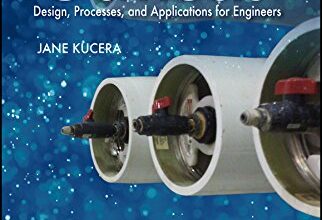
Reverse Osmosis: Industrial Processes and Applications 2nd Edition
برای اطمینان از کیفیت ایبوک ، چند صفحه ابتدایی ان به صورت رایگان قرار داده شده است.
دانلود کتاب Reverse Osmosis Jane Kucera
This new edition of the bestselling Reverse Osmosis is the most comprehensive and up-to-date coverage of the process of reverse osmosis in industrial applications, a technology that is becoming increasingly more important as more and more companies choose to “go green.” This book covers all of the processes and equipment necessary to design, operate, and troubleshoot reverse osmosis systems, from the fundamental principles of reverse osmosis technology and membranes to the much more advanced engineering principles necessary for designing a reverse osmosis system.
The second edition is an enhanced version of the original best seller. Each chapter has been reviewed and updated. Revised features include more detail on various pretreatment techniques such as greensand and pyrolusite pretreatment media. The design projection chapter has been edited to include up-to-date information on current projection programs. A new section on microbial fouling control featuring chlorine and alternative techniques is included to address the needs of most RO systems. Also, a discussion on forward osmosis is added as an alternative and/or companion technology to reverse osmosis for water treatment. The second edition includes all updated, basic, in-depth information for design, operation, and optimization of reverse osmosis systems.
Earlier chapters cover the basic principles, the history of reverse osmosis, basic terms and definitions, and essential equipment. The book then goes into pretreatment processes and system design, then, finally, operations and troubleshooting. The author includes a section on the impact of other membrane technologies and even includes a “Frequently Asked Questions” chapter.
دانلود ایبوک اسمز معکوس جین کوسرا
این نسخه جدید از پرفروشترین اسمز معکوس، جامعترین و بهروزترین پوشش فرآیند اسمز معکوس در کاربردهای صنعتی است، فناوری که با انتخاب شرکتهای بیشتر و بیشتر برای «سبز شدن» اهمیت فزایندهای پیدا میکند. این کتاب تمام فرآیندها و تجهیزات لازم برای طراحی، راه اندازی و عیب یابی سیستم های اسمز معکوس را پوشش می دهد، از اصول اساسی فناوری اسمز معکوس و غشاها گرفته تا اصول مهندسی بسیار پیشرفته تر لازم برای طراحی یک سیستم اسمز معکوس.
نسخه دوم نسخه بهبود یافته پرفروش اصلی است. هر فصل بررسی و به روز شده است. ویژگی های اصلاح شده شامل جزئیات بیشتر در مورد تکنیک های مختلف پیش تصفیه مانند محیط های پیش تصفیه شن و ماسه سبز و پیرولوزیت است. فصل طرح ریزی طراحی به گونه ای ویرایش شده است که شامل اطلاعات به روز در مورد برنامه های طرح ریزی فعلی باشد. بخش جدیدی در مورد کنترل رسوب میکروبی شامل کلر و تکنیک های جایگزین برای رفع نیازهای اکثر سیستم های RO گنجانده شده است. همچنین، بحثی در مورد اسمز پیشرو به عنوان جایگزین و/یا فناوری همراه برای اسمز معکوس برای تصفیه آب اضافه شده است. ویرایش دوم شامل تمام اطلاعات به روز، اساسی و عمیق برای طراحی، بهره برداری و بهینه سازی سیستم های اسمز معکوس است.
فصل های قبلی اصول اولیه، تاریخچه اسمز معکوس، اصطلاحات و تعاریف اولیه و تجهیزات ضروری را پوشش می دهد. این کتاب سپس به فرآیندهای پیش تصفیه و طراحی سیستم، سپس، در نهایت، عملیات و عیب یابی می پردازد. نویسنده شامل بخشی در مورد تأثیر سایر فناوری های غشایی و حتی شامل یک فصل “سوالات متداول” است.
خرید ایبوک Reverse Osmosis Industrial Processes and Applications 3rd
برای دانلود ایبوک Reverse Osmosis Industrial Processes and Applications 3rd و خرید کتاب فرآیندها و کاربردهای صنعتی اسمز معکوس سه بر روی کلید خرید در انتهای صفحه کلیک کنید.پس از اتصال به درگاه پرداخت هزینه و تکمیل مراحل خرید ، لینک دانلود کتاب ایمیل می شود.این ایبوک در فرمت PDF ارسال می شود.نسخه الکترونیکی کتاب قابلیت کپی برداری copy و Paste دارد. به زبان انگلیسی
در صورتی که نیاز به نسخه PDF هر کتابی از انتشارات Wiley-Scrivener دارید با ما مکاتبه کنید.
در صورتی که نیاز به دانلود هر کتابی از آمازون یا گوگل بوک دارید، فقط کافیست ادرس اینترنتی کتاب را از سایت www.sciencedirect.com و یا books.google.com برای ما ارسال کنید (راههای ارتباطی در صفحه تماس با گیگاپیپر ). پس از بررسی، هزینه ان اعلام می شود. پس از واریز نسخه الکترونیکی ارسال می شود.
ایبوک Reverse Osmosis Industrial Processes and Applications 3rd
دانلود کتاب Reverse Osmosis Industrial Processes and Applications 3rd دانلود ایبوک فرآیندها و کاربردهای صنعتی اسمز معکوس سه
Reverse Osmosis: Industrial Processes and Applications 3rd Edition
by Jane Kucera (Author)
دانلود رایگان کتاب Reverse Osmosis Industrial Processes and Applications 3rd
برای اطمینان از کیفیت ایبوک ، چند صفحه ابتدایی ان به صورت رایگان قرار داده شده است.
دانلود کتاب Reverse Osmosis Industrial Processes and Applications 3rd
REVERSE OSMOSISReverse osmosis (RO) is the world’s leading demineralization technology. It is used to provide clean water for potable and ultrapure uses as well as to treat wastewater for recycle or reuse. Regardless of the application or industry, the basics of RO are the same. This book provides the reader with in-depth knowledge about RO basics for any application.
This third edition is completely updated, still covering the basics of RO but with new insights as to how to optimize performance. Sections of the book cover the history of RO, membrane and transport model development, pretreatment to minimize membrane deposition and damage, effective cleaning and troubleshooting methods, and data collection and analysis. A new section was added that provides detail about RO and water sustainability. Alternative membrane materials and high-recovery RO are some of the topics included in this new section.
Topics are presented in clear and concise language with enough depth to enhance comprehension. The reader will walk away with a new understanding of the topics covered in the book, thereby enabling them to optimize their own RO systems. Engineers and consultants will be able to design or troubleshoot RO systems more effectively. This book is the complete and definitive guide to RO for all persons concerned with RO systems.
دانلود ایبوک فرآیندها و کاربردهای صنعتی اسمز معکوس سه
اسمز معکوس
اسمز معکوس (RO) پیشروترین فناوری معدنی زدایی در جهان است. برای تهیه آب تمیز برای مصارف شرب و فوق خالص و همچنین برای تصفیه فاضلاب برای بازیافت یا استفاده مجدد استفاده می شود. صرف نظر از کاربرد یا صنعت، اصول RO یکسان است. این کتاب دانش عمیقی در مورد مبانی RO برای هر برنامه ای در اختیار خواننده قرار می دهد.
این نسخه سوم کاملاً بهروزرسانی شده است و هنوز اصول RO را پوشش میدهد، اما بینش جدیدی در مورد نحوه بهینهسازی عملکرد دارد. بخشهای کتاب تاریخچه RO، توسعه مدل غشا و حمل و نقل، پیش تصفیه برای به حداقل رساندن رسوب و آسیب غشاء، روشهای تمیز کردن و عیبیابی مؤثر، و جمعآوری و تجزیه و تحلیل دادهها را پوشش میدهد. بخش جدیدی اضافه شد که جزئیاتی در مورد RO و پایداری آب ارائه می دهد. مواد غشایی جایگزین و RO با بازیابی بالا برخی از موضوعاتی هستند که در این بخش جدید گنجانده شده است.
موضوعات به زبانی واضح و مختصر با عمق کافی برای افزایش درک مطلب ارائه می شوند. خواننده با درک جدیدی از موضوعات مطرح شده در کتاب کنار خواهد رفت و در نتیجه آنها را قادر می سازد تا سیستم های RO خود را بهینه کنند. مهندسان و مشاوران قادر خواهند بود سیستم های RO را به طور موثرتری طراحی یا عیب یابی کنند. این کتاب راهنمای کامل و قطعی RO برای همه افرادی است که با سیستم های RO مرتبط هستند.
خرید ایبوک Reverse Osmosis Systems Design Optimization and Troubleshooting Guide
برای دانلود ایبوک Reverse Osmosis Systems Design Optimization and Troubleshooting Guide و خرید کتاب راهنمای بهینه سازی و عیب یابی طراحی سیستم های اسمز معکوس بر روی کلید خرید در انتهای صفحه کلیک کنید.پس از اتصال به درگاه پرداخت هزینه و تکمیل مراحل خرید ، لینک دانلود کتاب ایمیل می شود.این ایبوک در فرمت PDF کل فصول ارسال می شود.نسخه الکترونیکی کتاب قابلیت کپی برداری copy و Paste دارد. به زبان انگلیسی
در صورتی که نیاز به نسخه PDF هر کتابی از انتشارات Elsevier دارید با ما مکاتبه کنید.
در صورتی که نیاز به دانلود هر کتابی از آمازون یا گوگل بوک دارید، فقط کافیست ادرس اینترنتی کتاب را از سایت www.sciencedirect.com و یا books.google.com برای ما ارسال کنید (راههای ارتباطی در صفحه تماس با گیگاپیپر ). پس از بررسی، هزینه ان اعلام می شود. پس از واریز نسخه الکترونیکی ارسال می شود.
ایبوک Reverse Osmosis Systems Design Optimization and Troubleshooting Guide
دانلود کتاب Reverse Osmosis Systems Design Optimization and Troubleshooting Guide دانلود ایبوک راهنمای بهینه سازی و عیب یابی اسمز معکوس
Reverse Osmosis Systems: Design, Optimization and Troubleshooting Guide 1st Edition
by Syed Javaid Zaidi (Author), Haleema Saleem (Author)
دانلود رایگان کتاب Reverse Osmosis Systems Design Optimization and Troubleshooting Guide
برای اطمینان از کیفیت ایبوک سیستم های اسمز معکوس: راهنمای طراحی، بهینه سازی و عیب یابی ، چند صفحه ابتدایی ان به صورت رایگان قرار داده شده است.
دانلود کتاب Reverse Osmosis Systems Design Optimization and Troubleshooting Guide
Reverse Osmosis Systems: Design, Optimization and Troubleshooting Guide describes in depth knowledge of designing and operating reverse osmosis (RO) systems for water desalination, and covers issues which will effect the probability for the long-standing success of the application. It also provides guidelines that will increase the performance of seawater RO desalination systems by avoiding errors in the design and operation and suggest corrective measures and troubleshooting of the problems encountered during RO operation.This book also provides guidelines for the best RO design and operational performance. In the introductory section, the book covers the history of RO along with the fundamentals, principles, transport models, and equations. Following sections cover the practical areas such as pretreatment processes, design parameters, design software programs (WAVE, IMSDesign, TORAYDS2, Lewaplus, ROAM Ver. 2.0, Winflows etc.), RO performance monitoring, normalization software programs (RODataXL and TorayTrak), troubleshooting as well as system engineering. Simplified methods to use the design software programs are also properly illustrated and the screenshots of the results, methods etc. are also given here along with a video tutorial.The final section of the book includes the frequently asked questions along with their answers. Moreover, various case studies carried out and recent developments related to RO system performance, membrane fouling, scaling, and degradation studies have been analyzed. The book also has several work out examples, which are detailed in a careful as well as simple manner that help the reader to understand and follow it properly. The information presented in some of the case studies are obtained from existing commercial RO desalination plants. These topics enable the book to become a perfect tool for engineers and plant operators/technicians, who are responsible for RO system design, operation, maintenance, and troubleshooting. With the right system design, proper operation, and maintenance program, the RO system can offer high purity water for several years.
دانلود ایبوک راهنمای بهینه سازی و عیب یابی طراحی سیستم های اسمز معکوس
سیستمهای اسمز معکوس: راهنمای طراحی، بهینهسازی و عیبیابی دانش عمیق طراحی و عملکرد سیستمهای اسمز معکوس (RO) برای نمکزدایی آب را توضیح میدهد و مسائلی را پوشش میدهد که احتمال موفقیت طولانی مدت برنامه را تحت تأثیر قرار میدهد. همچنین دستورالعمل هایی را ارائه می دهد که با اجتناب از خطا در طراحی و بهره برداری، عملکرد سیستم های نمک زدایی RO آب دریا را افزایش می دهد و اقدامات اصلاحی و عیب یابی مشکلات پیش آمده در حین عملیات RO را پیشنهاد می کند. این کتاب همچنین دستورالعمل هایی را برای بهترین طراحی RO و عملکرد عملیاتی ارائه می دهد. در بخش مقدماتی، این کتاب تاریخچه RO را به همراه مبانی، اصول، مدل های حمل و نقل و معادلات پوشش می دهد. بخشهای زیر حوزههای عملی مانند فرآیندهای پیش تصفیه، پارامترهای طراحی، برنامههای نرمافزار طراحی (WAVE، IMSdesign، TORAYDS2، Lewaplus، ROAM Ver. 2.0، Winflows و غیره)، نظارت بر عملکرد RO، برنامههای نرمافزار نرمافزاری (RODataXL و TorayTrak)، عیبیابی را پوشش میدهند. و همچنین مهندسی سیستم. روشهای سادهشده برای استفاده از برنامههای نرمافزاری طراحی نیز به درستی نشان داده شدهاند و اسکرینشاتهای نتایج، روشها و غیره نیز به همراه آموزش تصویری در اینجا آورده شدهاند. بخش پایانی کتاب شامل سؤالات متداول به همراه پاسخ آنها است. علاوه بر این، مطالعات موردی مختلفی انجام شده و پیشرفتهای اخیر مربوط به عملکرد سیستم RO، رسوب غشایی، پوستهگذاری و مطالعات تخریب مورد تجزیه و تحلیل قرار گرفتهاند. این کتاب همچنین دارای چندین نمونه کار است که با دقت و همچنین به شیوه ای ساده به جزئیات پرداخته شده است که به خواننده کمک می کند تا آن را به درستی درک کند و دنبال کند. اطلاعات ارائه شده در برخی از مطالعات موردی از کارخانه های آب شیرین کن تجاری RO موجود به دست آمده است. این موضوعات کتاب را قادر می سازد تا به ابزاری عالی برای مهندسان و اپراتورها/تکنسین های کارخانه تبدیل شود که مسئول طراحی، بهره برداری، نگهداری و عیب یابی سیستم RO هستند. با طراحی صحیح سیستم، عملکرد مناسب و برنامه نگهداری، سیستم RO می تواند آب با خلوص بالا را برای چندین سال ارائه دهد.
خرید ایبوک Filter Evaluation Procedures for Granular Media
برای دانلود کتاب Filter Evaluation Procedures for Granular Media خرید ایبوک روش های ارزیابی فیلتر برای رسانه های گرانول بر روی کلید خرید در انتهای صفحه کلیک کنید. پس از اتصال به درگاه پرداخت و تکمیل مراحل خرید، لینک دانلود ایمیل می شود. ایبوک در قالب PDF بلافاصله ارسال می شود. ایبوک امکان جستجو و کپي متن و همچنين ذخيره تصاوير دارد. هر فصل کتاب در قالب pdf جداگانه است که مجموع این فصول در قالب فایل rar ارسال می شود.
در صورتی که نیاز به دانلود هر کتابی از انتشارات American Water Works Association داشتید، کافیست مشخصات ایبوک درخواستی را برای ما ارسال کنید.
در صورتی که نیاز به دانلود هر کتابی از آمازون یا گوگل بوک دارید، فقط کافیست ادرس اینترنتی کتاب را از سایت www.amazon.com و یا books.google.com برای ما ارسال کنید (راههای ارتباطی در صفحه تماس با گیگاپیپر ). پس از بررسی، هزینه ان اعلام می شود. پس از واریز نسخه الکترونیکی ارسال می شود.
خرید ایبوک Filter Evaluation Procedures for Granular Media دانلود کتاب روش های ارزیابی فیلتر برای رسانه های گرانول
Filter Evaluation Procedures for Granular Media, Second Edition Illustrated Edition
by John Scott Taylor (Author), Daniel K Nix (Author)
دانلود رایگان ایبوک Filter Evaluation Procedures for Granular Media
برای اطمینان از کیفیت کتاب Filter Evaluation Procedures for Granular Media، چند صفحه ابتدایی ان بصورت رایگان قرار داده شده است.
درباره کتاب Filter Evaluation Procedures for Granular Media
This book is a compilation of more than ten years of searching for procedures to evaluate the condition of filter media. Filter Evaluation Procedures for Granular Media takes you through all of the granular filter test procedures that water professionals need to know. This book will give water industry personnel the guidance needed to produce the highest level of finished water quality for the protection of the public.
Filter Evaluation Procedures for Granular Media:
Provides a complete filter evaluation and maintenance program for your water treatment plant
Includes step-by-step procedures, equipment needed, and forms for recording your findings for 15 filter bed tests
Shows correct safety procedures for working in filter beds
دانلود کتاب روش های ارزیابی فیلتر برای رسانه های گرانول
این کتاب مجموعه ای از بیش از ده سال جستجو برای روش های ارزیابی وضعیت رسانه فیلتر است. رویههای ارزیابی فیلتر برای رسانههای گرانول شما را از تمام مراحل آزمایش فیلتر دانهای که متخصصان آب باید بدانند، راهنمایی میکند. این کتاب به پرسنل صنعت آب راهنمایی لازم را برای تولید بالاترین سطح کیفیت آب تمام شده برای حفاظت از عموم می دهد.
مراحل ارزیابی فیلتر برای رسانه های گرانول:
یک برنامه ارزیابی و نگهداری فیلتر کامل را برای تصفیه خانه آب شما ارائه می دهد
شامل روش های گام به گام، تجهیزات مورد نیاز، و فرم هایی برای ثبت یافته های شما برای 15 آزمایش بستر فیلتر است.
روشهای ایمنی صحیح را برای کار در بسترهای فیلتر نشان می دهد
فهرست مطالب Filter Evaluation Procedures for Granular Media
خرید ایبوک The Energy Roadmap A Water and Wastewater Utility Guide to More Sustainable Energy Management
برای دانلود کتاب The Energy Roadmap A Water and Wastewater Utility Guide to More Sustainable Energy Management خرید ایبوک نقشه راه انرژی A راهنمای استفاده از آب و فاضلاب برای مدیریت پایدارتر انرژی بر روی کلید خرید در انتهای صفحه کلیک کنید. پس از اتصال به درگاه پرداخت و تکمیل مراحل خرید، لینک دانلود ایمیل می شود. ایبوک در قالب PDF بلافاصله ارسال می شود. ایبوک امکان جستجو و کپي متن و همچنين ذخيره تصاوير دارد. هر فصل کتاب در قالب pdf جداگانه است که مجموع این فصول در قالب فایل rar ارسال می شود.
در صورتی که نیاز به دانلود هر کتابی از انتشارات Water Environment داشتید، کافیست مشخصات ایبوک درخواستی را برای ما ارسال کنید.
در صورتی که نیاز به دانلود هر کتابی از آمازون یا گوگل بوک دارید، فقط کافیست ادرس اینترنتی کتاب را از سایت www.amazon.com و یا books.google.com برای ما ارسال کنید (راههای ارتباطی در صفحه تماس با گیگاپیپر ). پس از بررسی، هزینه ان اعلام می شود. پس از واریز نسخه الکترونیکی ارسال می شود.
خرید ایبوک The Energy Roadmap A Water and Wastewater Utility Guide to More Sustainable Energy Management دانلود کتاب نقشه راه انرژی A
The Energy Roadmap: A Water and Wastewater Utility Guide to More Sustainable Energy Management Illustrated Edición
de Water Environment Federation (Author)
دانلود رایگان ایبوک The Energy Roadmap A Water and Wastewater Utility Guide to More Sustainable Energy Management
برای اطمینان از کیفیت کتاب The Energy Roadmap A Water and Wastewater Utility Guide to More Sustainable Energy Management، چند صفحه ابتدایی ان بصورت رایگان قرار داده شده است.
درباره کتاب The Energy Roadmap A Water and Wastewater Utility Guide to More Sustainable Energy Management
The Energy Roadmap will serve as a guide for utilities of all sizes on the path to sustainable energy management. In it you will explore innovative approaches to cost-effectively recover and reuse resources to transform “wastes” to valuable products. The book will outline six stops on the path to resource recovery presenting insights and models for 1. strategic management, 2. creating an organizational culture, 3. effective communication and outreach, 4. demand-side management, 5. energy generation, and 6. innovating for the future.
دانلود کتاب نقشه راه انرژی A راهنمای استفاده از آب و فاضلاب برای مدیریت پایدارتر انرژی
نقشه راه انرژی به عنوان راهنمای همه نوع ابزار در مسیر مدیریت پایدار انرژی عمل می کند. در آن شما رویکردهای ابتکاری را برای بازیابی مقرون به صرفه و استفاده مجدد از منابع برای تبدیل “ضایعات” به محصولات با ارزش کشف خواهید کرد. این کتاب شش توقف در مسیر بازیابی منابع ارائه می دهد و بینش ها و مدل هایی را برای 1. مدیریت استراتژیک ، 2. ایجاد فرهنگ سازمانی ، 3. ارتباطات و ارتباطات مو ثر مدیریت سمت تقاضا ، 5. تولید انرژی و 6 ارائه می دهد. نوآوری برای آینده
فهرست مطالب The Energy Roadmap A Water and Wastewater Utility Guide to More Sustainable Energy Management
View Section, Title Page
View Section, Table of Contents
View Section, Executive Summary
View Section, 1. Introduction
View Section, 2. Strategic Management
View Section, 3. Organizational Culture
View Section, 4. Communication and Outreach
View Section, 5. Demand-Side Management
View Section, 6. Energy Generation
View Section, 7. Innovating for the Future
View Section, 8. Conclusions
View Section, 9. Case Studies
View Section, Appendix: The Energy Roadmap: A Water and Wastewater Utility Guide to More Sustainable Energy Management and ISO 50001 – Energy Management
خرید ایبوک Ultraviolet Disinfection for Wastewater
برای دانلود کتاب Ultraviolet Disinfection for Wastewater خرید ایبوک ضدعفونی ماوراء بنفش برای فاضلاب بر روی کلید خرید در انتهای صفحه کلیک کنید. پس از اتصال به درگاه پرداخت و تکمیل مراحل خرید، لینک دانلود ایمیل می شود. ایبوک در قالب PDF بلافاصله ارسال می شود. ایبوک امکان جستجو و کپي متن و همچنين ذخيره تصاوير دارد. هر فصل کتاب در قالب pdf جداگانه است که مجموع این فصول در قالب فایل rar ارسال می شود.
در صورتی که نیاز به دانلود هر کتابی از انتشارات Water Environment Federation داشتید، کافیست مشخصات ایبوک درخواستی را برای ما ارسال کنید.
در صورتی که نیاز به دانلود هر کتابی از آمازون یا گوگل بوک دارید، فقط کافیست ادرس اینترنتی کتاب را از سایت www.amazon.com و یا books.google.com برای ما ارسال کنید (راههای ارتباطی در صفحه تماس با گیگاپیپر ). پس از بررسی، هزینه ان اعلام می شود. پس از واریز نسخه الکترونیکی ارسال می شود.
خرید ایبوک Ultraviolet Disinfection for Wastewater دانلود کتاب ضدعفونی ماوراء بنفش برای فاضلاب ISBN-13: 978-1572783126 ISBN-10: 1572783125
Ultraviolet Disinfection for Wastewater Illustrated Edición, Edición Kindle
de Water Environment Federation (Author)
دانلود رایگان ایبوک Ultraviolet Disinfection for Wastewater
برای اطمینان از کیفیت کتاب Ultraviolet Disinfection for Wastewater، چند صفحه ابتدایی ان بصورت رایگان قرار داده شده است.
درباره کتاب Ultraviolet Disinfection for Wastewater
Developed in conjunction with the International Ultraviolet Association, Ultraviolet Disinfection for Wastewater: Low-Dose Application Guidance for Secondary and Tertiary Discharges serves as a guide for consultants, wastewater utilities, and operators and provides introductory information on the advantages (and disadvantages) of UV disinfection compared to other commonly used technologies. It also provides valuable information to regulatory agencies who review applications for the use of UV disinfection systems in water resource recovery facilities that are subject to discharge limits for bacteria under National Pollutant Discharge Elimination System permitting.
Providing specific case study examples, UV Disinfection for Wastewater fills an existing gap in the design guidance that is available for UV disinfection for low-dose applications, which includes disinfection of secondary and tertiary wastewater effluent discharges to meet NPDES compliance.
دانلود کتاب ضدعفونی ماوراء بنفش برای فاضلاب
ضدعفونی با اشعه ماوراء بنفش برای فاضلاب: همراه با انجمن بین المللی ماوراء بنفش توسعه یافته است: راهنمای کاربردهای کم دوز برای تخلیه های ثانویه و ثالث به عنوان راهنمای مشاوران ، تاسیسات فاضلاب و اپراتورها عمل می کند و اطلاعات مقدماتی در مورد مزایا (و معایب) ضدعفونی UV را ارائه می دهد. در مقایسه با سایر فناوریهای متداول همچنین اطلاعات ارزشمندی را در اختیار سازمان های نظارتی قرار می دهد که برنامه های استفاده از سیستم های ضدعفونی UV در تاسیسات بازیابی منابع آب را که تحت مجاز سیستم حذف آلاینده های ملی حذف شده اند ، تحت محدودیت تخلیه باکتری ها قرار می دهند.
با ارائه مثالهای مطالعه موردی خاص ، ضدعفونی UV برای فاضلاب ، شکاف موجود در راهنمای طراحی را که برای ضدعفونی UV برای کاربردهای دوز کم موجود است ، شامل ضدعفونی تخلیه فاضلاب ثانویه و درجه سوم برای مطابقت با NPDES پر می کند.
فهرست مطالب Wastewater Biology The Microlife 3rd Edition
View Section, Front Matter
View Section, 1. Introduction
View Section, 2. Ultraviolet Disinfection Process Concepts and Equipment Systems
View Section, 3. Bioassay Methods to Determine the Ultraviolet Dose (Fluence) Delivery of an Ultraviolet System
View Section, 4. Innovations and Advances in Ultraviolet Reactor Analysis and Validation
View Section, 5. Process Design and System Sizing
View Section, 6. Equipment Selection, Facility Design, and Project Delivery
View Section, 7. Ultraviolet Project Delivery, Startup, and Commissioning
View Section, 8. Operational Considerations
View Section, 9. Case Studies
View Section, Index
خرید ایبوک Wastewater Biology The Microlife 3rd Edition
برای دانلود کتاب Wastewater Biology The Microlife 3rd Edition خرید ایبوک زیست شناسی فاضلاب The Microlife ویرایش سوم بر روی کلید خرید در انتهای صفحه کلیک کنید. پس از اتصال به درگاه پرداخت و تکمیل مراحل خرید، لینک دانلود ایمیل می شود. ایبوک در قالب PDF بلافاصله ارسال می شود. ایبوک امکان جستجو و کپي متن و همچنين ذخيره تصاوير دارد. هر فصل کتاب در قالب pdf جداگانه است که مجموع این فصول در قالب فایل rar ارسال می شود.
در صورتی که نیاز به دانلود هر کتابی از انتشارات Water Environment داشتید، کافیست مشخصات ایبوک درخواستی را برای ما ارسال کنید.
در صورتی که نیاز به دانلود هر کتابی از آمازون یا گوگل بوک دارید، فقط کافیست ادرس اینترنتی کتاب را از سایت www.amazon.com و یا books.google.com برای ما ارسال کنید (راههای ارتباطی در صفحه تماس با گیگاپیپر ). پس از بررسی، هزینه ان اعلام می شود. پس از واریز نسخه الکترونیکی ارسال می شود.
خرید ایبوک Wastewater Biology The Microlife 3rd Edition دانلود کتاب زیست شناسی فاضلاب The Microlife ویرایش سوم
Wastewater Biology: The Microlife 3rd Edición
de Water Environment Federation (Author)
دانلود رایگان ایبوک Wastewater Biology The Microlife 3rd Edition
برای اطمینان از کیفیت کتاب Wastewater Biology The Microlife 3rd Edition، چند صفحه ابتدایی ان بصورت رایگان قرار داده شده است.
درباره کتاب Wastewater Biology The Microlife 3rd Edition
Wastewater Biology: The Microlife is a widely-used, essential reference for wastewater operators and engineers. This new edition explores the organisms that are considered the most important in the treatment of wastewater and disease transmission and provides you with the knowledge needed to regulate and control treatment processes properly. In addition to detailed information on bacteria, protozoa, rotifers, nematodes and other metazoan, filamentous organisms, pathogens, and parasites, it includes a discussion of the microscope and photomiscroscopy as well as other tools, equipment, and procedures that are necessary for examining, identifying and enumerating these life forms. Generously illustrated with a minimum of technical jargon, this is an easy-to-use guide to the biological aspects of wastewater treatment. Includes 13 color plates to assist in identifying the microlife.
دانلود کتاب زیست شناسی فاضلاب The Microlife ویرایش سوم
زیست شناسی فاضلاب: Microlife مرجع پرکاربرد و ضروری برای اپراتورها و مهندسان فاضلاب است. این ویرایش جدید ارگانیسم هایی را بررسی می کند که در تصفیه فاضلاب و انتقال بیماری مهمترین آنها محسوب می شوند و دانش لازم برای تنظیم و کنترل صحیح فرآیندهای تصفیه را در اختیار شما قرار می دهد. علاوه بر اطلاعات دقیق در مورد باکتری ها ، تک یاخته ها ، روتیفرها ، نماتدها و سایر متازوها ، ارگانیسم های رشته ای ، عوامل بیماری زا و انگل ها ، شامل بحث در مورد میکروسکوپ و فوتو میکروسکوپی و سایر ابزارها ، تجهیزات و روش های لازم برای بررسی است ، شناسایی و برشمردن این اشکال زندگی این راهنما با حداقل اصطلاحات فنی ساده ، راهنمای آسان برای جنبه های بیولوژیکی تصفیه فاضلاب است. شامل 13 صفحه رنگی است که به شناسایی میکرولیف کمک می کند.
فهرست مطالب Wastewater Biology The Microlife 3rd Edition