دانلود برچسب: ایبوک عمران

  • دانلود کتاب Car park design

    دانلود کتاب Car park design

    خرید ایبوک Car park design EBook Original PDF

    برای دانلود ایبوک Car park design و خرید کتاب طراحی پارکینگ – نسخه اصلی PDF M Pundsack, C Whapples et al بر روی کلید خرید در انتهای صفحه کلیک کنید. پس از اتصال به درگاه پرداخت هزینه و تکمیل مراحل خرید، لینک دانلود کتاب ایمیل می شود.این ایبوک در فرمت Original PDF و به زبان انگلیسی ارسال می شود.نسخه الکترونیکی کتاب قابلیت کپی برداری copy و Paste دارد.

    در صورتی که نیاز به پی دی اف هر کتابی از انتشارات ‎ IStructE Ltdدارید با گیگاپیپر مکاتبه کنید.

    خرید کتاب Car park design – E-Book – Original PDF

    The Institution of Structural Engineersii Car park design

    : Authors M Pundsack, C Whapples et al

    P GuestBSC MSc DipTE
    D GullockBA (Hons) M.Arch PG Cert ARB (Fatkin Ltd)
    A McBryanBEng (Hons) CEng MIET (AECOM)
    F PetchBA (Hons) M.Arch PG Cert ARB (Fatkin Ltd)
    M PundsackBEng (Hons) CEng MRICS AIFireE FIStructE (City of London) Chair
    P RoberyBSc PhD FREng CEng FICE FICT FCS (Robery Forensic Engineering Ltd)
    R SimmonsBSc (Hons) MCIOB CBuildE MCABE FCIHT FBPA AMICE (Ballast Nedam UK)
    J StewartCEng MIStructE (Ballast Nedam Parking Ltd)
    C WatkinsBA (Hons) MA NRAC (Consultant) (Arup)
    C WhapplesBSc (Hons) CEng FIStructE FICE (Stripe Consulting) Overseeing Consultant

    Reviewers

    N ElyBSc (Hons) CEng MIStructE MCIOB (Environment Agency)
    G DeuceBEng CEng FIStructE FICE (Mace Group)

    PublishingL Baldwin BA (Hons) DipPub (The Institution of Structural Engineers)Published by The Institution of Structural EngineersInternational HQ, 47–58 Bastwick Street, London EC1V 3PS, United Kingdom T: +44(0)20 7235 4535E: mail@istructe.org W: www.istructe.orgFirst published (version 1.0) June 2023 978-1-906335-62-5 (print) 978-1-906335-63-2 (pdf)

    Publisher ‏ : ‎‎ IStructE Ltd

    Publication date ‏ : ‎ ‎ ‎ 8 June 2023

    Edition ‏ : ‎ 3rd

    Language ‏ : ‎ English

    Print length ‏ : ‎ ‎ 216 pages

    ISBN-10 ‏ : ‎ 978-1-906335-62-5

    ISBN-13 ‏ : ‎ 9781906335625

    Send email to download :ایمیل گیگاپیپر دانلود کتاب مقاله پایان نامه

    Price : 35$

    https://www.istructe.org/resources/guidance/car-park-design/


    دانلود رایگان کتاب Car park design

    برای اطمینان از کیفیت ایبوک طراحی پارکینگ – کتاب الکترونیکی – نسخه اصلی PDF چند صفحه از این کتاب در ادامه اورده شده است.

    https://www.istructe.org/resources/guidance/car-park-design

    Award-winning guidance from the Institution of Structural Engineers reflecting the necessity of a completely new approach to internal layouts and other requirements for structural design of car parks.

    The Institution’s Design recommendations for multi-storey and underground car parks has set the standard for car park design since 1976. After more than 45 years and four editions, this guidance builds on that legacy to provide completely revised and updated information for anyone involved in car park design, construction, maintenance and reuse.

    It reflects the significant changes to vehicular size, weight and manoeuvrability in recent years, to offer modern guidance on parking bay sizes and deck loadings. Hybrid and electric vehicle use, together with the need for inclusive design and a far greater emphasis on sustainable solutions, have necessitated a completely new approach to internal layouts and other requirements for structural design — including the minimisation of fire spread. There are also chapters dedicated to futureproofing, quality control during construction, suicide prevention measures, asset management, and special (robotic) car parks.

    The guidance is based on UK design methodologies and practice (and where possible/appropriate, has considered any likely updates to the Eurocodes and Building Regulations) but the principles have global applicability.

    Car Park design won the ‘Special Jury Award’ at the British Parking Awards 2023 as ‘an exceptional entry that particularly impressed the jury, which is a panel of experts drawn from across the parking, automotive, transport and related sectors.’

    دانلود ایبوک طراحی پارکینگ – کتاب الکترونیکی – نسخه اصلی PDF

    راهنمایی برنده جایزه از موسسه مهندسان سازه که منعکس کننده ضرورت رویکردی کاملاً جدید به طرح‌های داخلی و سایر الزامات طراحی سازه‌ای پارکینگ‌ها است.

    توصیه‌های طراحی این موسسه برای پارکینگ‌های طبقاتی و زیرزمینی، از سال ۱۹۷۶ استانداردی را برای طراحی پارکینگ تعیین کرده است. پس از بیش از ۴۵ سال و چهار ویرایش، این راهنما بر اساس آن میراث ساخته شده است تا اطلاعات کاملاً اصلاح شده و به‌روز شده‌ای را برای هر کسی که در طراحی، ساخت، نگهداری و استفاده مجدد پارکینگ‌ها دخیل است، ارائه دهد.

    این راهنما منعکس کننده تغییرات قابل توجه در اندازه، وزن و قابلیت مانور وسایل نقلیه در سال‌های اخیر است تا راهنمایی مدرنی در مورد اندازه پارکینگ‌ها و بارگذاری عرشه ارائه دهد. استفاده از خودروهای هیبریدی و برقی، همراه با نیاز به طراحی فراگیر و تأکید بسیار بیشتر بر راه‌حل‌های پایدار، رویکردی کاملاً جدید به طرح‌های داخلی و سایر الزامات طراحی سازه‌ای – از جمله به حداقل رساندن گسترش آتش – را ضروری کرده است. همچنین فصل‌هایی به مقاوم‌سازی در برابر آتش‌سوزی، کنترل کیفیت در طول ساخت و ساز، اقدامات پیشگیری از خودکشی، مدیریت دارایی و پارکینگ‌های ویژه (رباتیک) اختصاص داده شده است.

    این راهنما بر اساس روش‌ها و رویه‌های طراحی بریتانیا تهیه شده است (و در صورت امکان/مناسبت، هرگونه به‌روزرسانی احتمالی در یوروکدها و مقررات ساختمانی را در نظر گرفته است) اما اصول آن قابلیت کاربرد جهانی دارند.

    طراحی پارکینگ در جوایز پارکینگ بریتانیا ۲۰۲۳ به عنوان «یک اثر استثنایی که به ویژه هیئت داوران را تحت تأثیر قرار داد» برنده «جایزه ویژه هیئت داوران» شد. این هیئت داوران متشکل از متخصصانی از بخش‌های مختلف پارکینگ، خودرو، حمل و نقل و بخش‌های مرتبط است.

    فهرست مطالب The Institution of Structural Engineersii Car park design

    ContentsForeword xvMark PundsackForeword xviKelvin ReynoldsDefinitions and acronyms xviiPart 1: Conceptual designIntroduction 1General 1Background 1Scope 31 Developing the brief/the design process 51.1 Introduction 51.2 Health and safety 51.3 Understand the need/establish the size 51.4 Consider other uses 81.5 Determine site geometry and constraints 91.6 Planning and Building Regulations 111.7 Sustainability 111.8 Accessibility 121.9 Futureproofing 121.10 End of life 131.11 Vehicular traffic flows 151.12 Pedestrian movements 171.13 Building Services 171.14 Signage 181.15 Wayfinding 181.16 Floor plate design 181.17 Building design 191.18 Expected design service life and asset management 191.19 Planning process 201.20 Detailed design and construction programme 202 Feasibility 242.1 Introduction 242.2 Technical feasibility 242.3 Financial feasibility 252.4 Other factors 25Copyright Institution of Structural EngineersProvided by UTCNo reproduction or networking permitted without license from Accuris–““,`,““““,“,,“,,`,`,`-“,,`,,,,-“,,`,,,,—viii The Institution of Structural Engineersviii Car park design3 Inclusive design (conceptual design) 273.1 What is inclusive design? 273.2 Inclusive design strategy 273.3 Statutory background 273.4 Anticipating the access needs of users 273.5 Accessible parking and the Blue Badge scheme 283.6 Inclusive design for vehicles 283.7 Size of wheelchair accessible vehicles 293.8 Provision of accessible parking bays 293.9 Drop-off points 303.10 Inclusive design for pedestrians 303.10.1 Horizontal circulation 303.10.2 Vertical circulation 304 Internal planning (and management of traffic and pedestrians) 314.1 Introduction 314.1.1 Vehicle speed 314.1.2 Static and dynamic capacity 314.1.3 Aisle capacities 334.1.4 Ramp and accessway capacities 344.1.5 Bay turnover 344.1.6 Vehicle reservoir at entrance 344.1.7 Vehicle reservoir at exit 354.1.8 Design variations 354.2 Traffic management 354.2.1 Entry and exit 364.2.2 Rising step barriers and rising bollards 384.2.3 Speed shutters 384.2.4 Speed control 394.2.5 Pedestrians 394.2.6 Closed-circuit television 414.2.7 Customer help points 414.3 Lifts and stair cores 414.3.1 Lifts 414.3.2 Stair cores 425 Design geometry and layout 435.1 Introduction 435.2 Vehicles 445.2.1 Cars and light vans 445.2.2 Wheelchair accessible vehicles (WAVs) 445.2.3 Motorcycles 445.2.4 Cycles and electric scooters 465.3 Geometry 495.3.1 Introduction 495.3.2 Bay width and length 49Copyright Institution of Structural EngineersProvided by Accuris Licensee=info@GigaPaper.ir info@GigaPaper.ir UTCNo reproduction or networking permitted without license from Accuris–““,`,““““,“,,“,,`,`,`-“,,`,,,,-“,,`,,,,—The Institution of Structural Engineers ixCar park design ix5.3.3 Accessible parking areas 505.3.4 Aisle width and bin width 505.3.5 Deck and pedestrian ramp gradients 515.3.6 Clearance to the structure 515.3.7 Column location 525.3.8 Headroom 525.3.9 Ground clearance 545.3.10 Vehicle ramp requirements 545.3.11 Entry and exit arrangement 575.3.12 Kerbs 585.4 Layout 605.4.1 Design principles 605.4.2 Cul-de-sac parking 605.4.3 Drive aisles 605.4.4 Vehicle ramps 615.4.5 Circulation 625.4.6 Parking angle 635.4.7 Choice of layout 636 Integration of building services (conceptual design) 766.1 Introduction 766.2 Design activities 766.3 Engineering services strategy 766.3.1 Mechanical services 766.3.2 Electrical services 776.3.3 Public health services 786.3.4 Fire protection services 786.3.5 Vertical transportation 786.3.6 IT, security and specialist services 786.4 Sustainability and energy position 796.5 Plant replacement 797 Fire considerations (conceptual design) 807.1 Background 807.2 Legislation 817.3 General principles 817.4 Specific issues 828 Sustainability and environmental considerations 838.1 Introduction 838.2 Net zero carbon 838.3 Circular economy 858.3.1 Long life expectancy 868.3.2 Short life expectancy 868.3.3 Design for disassembly 87Copyright Institution of Structural EngineersProvided by Accuris Licensee=info@GigaPaper.ir info@GigaPaper.ir UTCNo reproduction or networking permitted without license from Accuris–““,`,““““,“,,“,,`,`,`-“,,`,,,,-“,,`,,,,—x The Institution of Structural Engineersx Car park design8.4 Embodied carbon 878.5 Operational carbon 898.5.1 Energy strategy 898.5.2 Electric vehicle (EV) charging 898.5.3 Renewables 898.5.4 Energy storage 898.6 Greening and biodiversity 898.6.1 Sustainable drainage systems (SuDS) 908.6.2 Rainwater harvesting 908.6.3 Green roofs and walls 908.7 Certification and verification 918.7.1 BREEAM Infrastructure 918.7.2 Living Building Challenge 928.8 Operational performance verification 928.9 Offsetting 929 Safety and security 939.1 Introduction 939.2 Obligations on designers 939.2.1 The Town and Country Planning Act 939.2.2 The Building Regulations 939.2.3 The Construction (Design and Management) Regulations 2015 949.3 Obligations on owners/operators 949.3.1 Occupiers Liability Act 949.3.2 Health and Safety at Work etc. Act 949.4 Primary risks 959.4.1 Slips, trips and falls 959.4.2 Suicide 969.4.3 Theft 969.4.4 Personal attack 969.4.5 Drug abuse and anti-social behaviour 969.4.6 Pedestrian-vehicle conflict 969.4.7 Containment of vehicles 969.4.8 Terrorism 979.4.9 Fire 979.5 Designing out risk 979.5.1 Risk-assessed approach 979.5.2 Park Mark® 979.6 Potential design solutions 999.6.1 Slips, trips and falls 999.6.2 Vehicle impact 999.6.3 Criminal activity 999.6.4 Pedestrian-vehicle conflict 99Copyright Institution of Structural EngineersProvided by Accuris Licensee=info@GigaPaper.ir info@GigaPaper.ir UTCNo reproduction or networking permitted without license from Accuris–““,`,““““,“,,“,,`,`,`-“,,`,,,,-“,,`,,,,—The Institution of Structural Engineers xiCar park design xi10 Futureproofing 10310.1 Introduction 10310.1.1 Vehicle ownership vs. hiring/autonomous 10310.2 Vehicle design 10310.2.1 Means of propulsion 10310.2.2 Vehicle sizes and weights 10410.2.3 Autonomous vehicles 10410.3 Car park design 10510.3.1 Multi-functional use 10510.3.2 Entry/exit controls and payment systems 10510.3.3 Speed control and containment 10510.4 Services 10610.5 Fire considerations 10610.6 Purposing and repurposing 107Part 2: Detailed design11 Design and construction 11111.1 Loading 11111.1.1 Introduction 11111.1.2 Uniformly distributed loads 11111.1.3 Wind loads 11111.1.4 Lateral loads from vehicles 11211.1.5 Ground pressures 11211.1.6 Punching shear from jack or wheel loads 11211.1.7 Load combinations for common design situations 11211.1.8 Load combinations for uncommon design situations 11311.1.9 Resistance to explosions 11311.1.10 Landscape loading 11311.2 Other considerations 11411.2.1 Disproportionate collapse 11411.2.2 Response to vibration 11411.3 Designing for movement 11411.3.1 General 11411.3.2 Deflection 11511.3.3 Temperature 11511.3.4 Temperature effects 11511.3.5 Shrinkage 11611.3.6 Creep 11711.3.7 Movement joints 11711.4 Structural materials 11811.4.1 Introduction 11811.4.2 Concrete construction 11811.4.3 Steel construction 11811.4.4 Composite construction 118Copyright Institution of Structural EngineersProvided by Accuris Licensee=info@GigaPaper.ir info@GigaPaper.ir UTCNo reproduction or networking permitted without license from Accuris–““,`,““““,“,,“,,`,`,`-“,,`,xii The Institution of Structural Engineersxii Car park design11.5 Designing for construction 11811.5.1 Above-ground car parks 11811.5.2 Underground car parks 12711.6 Lean design 12911.6.1 Introduction 12911.6.2 Utilisation of materials 12911.6.3 Substructure 13011.7 Deconstruction 13011.7.1 Introduction 13011.7.2 General 13011.8 Drainage 13011.8.1 Introduction 13011.8.2 General 13111.8.3 Required falls 13111.8.4 Parking areas 13111.8.5 Ramps and circulation areas 13211.8.6 Pedestrian areas 13211.8.7 Rainwater goods 13211.8.8 Petrol interceptors 13211.9 Joints 13211.9.1 General 13211.9.2 Proprietary movement joints 13311.9.3 Sealants 13311.9.4 Construction joints and non-structural cracking 13311.10 Durability 13411.10.1 General 13411.10.2 Concrete durability 13411.10.3 Structural steel durablity 14011.10.4 Basements and buried structures 14211.10.5 Concrete finishes 14211.10.6 Membranes and coatings for concrete 14611.11 Temporary and demountable car parks 15111.11.1 General 15111.11.2 Performance criteria 15111.11.3 Inspection and maintenance 15112 Guarding and containment 15212.1 Introduction 15212.2 Vehicle restraint barriers 15212.2.1 Types of edge protection 15212.2.2 Required performance 15512.2.3 Barriers at the ends of long straights 15712.2.4 Barriers in close proximity to vehicle ramps 15712.2.5 Barriers opposite the ends of long vehicle ramps 15712.2.6 Fixings for vehicle restraint barriers 15712.2.7 Compliance testing and certification 158Copyright Institution of Structural EngineersProvided by Accuris Licensee=info@GigaPaper.ir info@GigaPaper.ir UTCNo reproduction or networking permitted without license from Accuris–““,`,““““,“,,“,,`,`,`-“,,`,,,,-“,,`,,,,—The Institution of Structural Engineers xiiiCar park design xiii12.3 Pedestrian guarding 15812.3.1 Purpose of guarding 15812.3.2 Required performance 15812.3.3 Holding down bolts 15913 Integration of building services (detailed design) 16013.1 Mechanical services 16013.1.1 Heating 16013.1.2 Ventilation 16013.2 Electrical services 16313.2.1 Lighting 16313.2.2 Power 16413.2.3 EV charging facilities 16513.2.4 Fire alarm systems 16613.2.5 Lightning protection/earthing 16613.3 Public health services (drainage) 16713.4 Fire protection services 16713.5 Vertical transportation 16713.6 Sustainability and energy position 16714 Fire considerations (detailed design) 16914.1 Introduction to fire safety engineering 16914.2 Risks from fire 16914.3 Means of escape 16914.4 Structural fire resistance 17114.5 Compartmentation 17214.6 Firefighting 17214.7 External fire spread 17314.8 Management 17415 Inclusive design (detailed design) 17515.1 Design of accessible parking bays 17515.2 Speed calming measures 17515.3 Accessible EV charging 17615.4 Wayfinding and signage 17615.5 Pedestrian comfort 17715.6 Ticket machines and barriers 17715.7 Staffed facilities 17815.8 Sanitary facilities 17815.9 Inclusive means of escape 17816 Suicide prevention 17916.1 Introduction 17916.2 Current guidance and responsibilities 18016.3 Designing Out Crime Officers 18016.4 Design considerations 180Copyright Institution of Structural EngineersProvided by Accuris Licensee=info@GigaPaper.ir info@GigaPaper.ir UTCNo reproduction or networking permitted without license from Accuris–““,`,““““,“,,“,,`,`,`-“,,`,,,,-“,,`,,,,—xiv The Institution of Structural Engineersxiv Car park design16.5 Practical solutions 18116.5.1 Physical barriers 18116.5.2 Geofencing 18216.5.3 Signage 18316.5.4 Visibility 18316.6 Costs 18316.7 Legal issues/liability 18317 Quality control during construction 18417.1 General 18417.2 In situ concrete quality 18417.2.1 Introduction 18417.2.2 Construction tolerances 18417.2.3 Ordering concrete 18517.2.4 Placing and compaction 18617.2.5 Bleeding and plastic cracking 18717.2.6 Protection and finishing 18717.2.7 Movement provision 18817.2.8 Curing 18917.3 Steel framing 18917.3.1 Precast concrete units 18917.3.2 Concrete composite decking 19018 Asset management 19118.1 Introduction 19118.2 Car park deterioration and maintenance 19218.3 Life-care plan at new-build 19218.3.1 Handover information pack 19318.3.2 Initial life-care plan 19318.3.3 Condition survey and structural appraisal 19518.3.4 Maintenance options 19618.3.5 Development of the LCP 19618.4 Upgrading existing structures 19619 Upgrading and modifying existing structures 19819.1 Introduction 19819.2 Upgrading (extending existing use) 19819.3 Modifying (enabling alternative use) 20019.4 Disassembling/relocating 20220 Special structures 20420.1 Introduction 20420.2 Robotic car parks 20420.3 Echelon, valet or block parking 20720.4 Stacker parking systems 20820.5 Paternoster car parks 209References 210

  • دانلود کتاب Ductile Design of Steel Structures, Third Edition 3rd Edition

    دانلود کتاب Ductile Design of Steel Structures, Third Edition 3rd Edition

    خرید ایبوک Ductile Design of Steel Structures Third Edition EBook Original PDF

    برای دانلود ایبوک Ductile Design of Steel Structures, Third Edition 3rd Edition و خرید کتاب طراحی شکل پذیر سازه های فولادی، ویرایش سوم (سال 2026) – کتاب الکترونیکی – نسخه اصلی PDF بر روی کلید خرید در انتهای صفحه کلیک کنید. پس از اتصال به درگاه پرداخت هزینه و تکمیل مراحل خرید، لینک دانلود کتاب ایمیل می شود.این ایبوک در فرمت Original PDF و به زبان انگلیسی ارسال می شود.نسخه الکترونیکی کتاب قابلیت کپی برداری copy و Paste دارد.

    در صورتی که نیاز به پی دی اف هر کتابی از انتشارات ‎ McGraw Hillدارید با گیگاپیپر مکاتبه کنید.

    خرید کتاب Ductile Design of Steel Structures, Third Edition – E-Book – Original PDF

    Ductile Design of Steel Structures 3rd Edition

    by Michel Bruneau (Author), Chia-Ming Uang (Author), Rafael Sabelli (Author)

    Publisher ‏ : ‎‎ McGraw Hill

    Publication date ‏ : ‎ ‎ ‎ February 17, 2026

    Edition ‏ : ‎ 3rd

    Language ‏ : ‎ English

    Print length ‏ : ‎ ‎ 1024 pages

    ISBN-10 ‏ : ‎ 1266013407

    ISBN-13 ‏ : ‎ 978-1266013409

    Send email to download :ایمیل گیگاپیپر دانلود کتاب مقاله پایان نامه

    Price : 35$

    https://www.amazon.com/dp/1266013407
    
    https://www.amazon.com/Ductile-Design-Steel-Structures-Third/dp/1266013407

    دانلود رایگان کتاب Ductile Design of Steel Structures 3rd Edition

    برای اطمینان از کیفیت ایبوک طراحی شکل پذیر سازه های فولادی، ویرایش سوم (ویرایش سوم) – کتاب الکترونیکی – نسخه اصلی PDF چند صفحه از این کتاب در ادامه اورده شده است.

    A completely revised and updated in-depth guide to the requirements central to earthquake-resistant design of steel structures

    Ductile Design of Steel Structures, Third Edition has been thoroughly updated to address the extensive advancements made in the industry over the past decade. The book covers steel material, cross-section, component, and system response for applications in plastic and seismic design and provides practical guidance on how to incorporate these principles into structural design.

    You’ll find essential coverage of new structural systems like composite steel plate and concrete-filled walls, as well as new ductile connections for special moment resisting frames, and modifications in the design requirements for other structural systems.

    This third edition is filled with new and updated content, including:

    • Essential information on concrete-filled composite steel plate walls (SpeedCore)
    • A significantly expanded chapter on buckling restrained braced frames
    • Updated knowledge recently implemented in the AISC seismic provisions that has simplified the design of steel plate shear walls
    • Design examples that comply with requirements in the 2022 AISC provisions
    • New information on load-path in floor/roof diaphragms, from the inertia force sources to the lateral force resisting systems, and general information on diaphragm design
    • Information on new structural systems being proposed, such as friction devices, scorpion-braces, and more

    Written by experts in earthquake-resistant design who are active in the development of seismic guidelines, this is an invaluable resource for practicing engineers and graduate students in structural engineering.

    دانلود ایبوک طراحی شکل پذیر سازه های فولادی، ویرایش سوم (ویرایش سوم) – کتاب الکترونیکی – نسخه اصلی PDF

    یک راهنمای عمیق کاملاً اصلاح‌شده و به‌روز شده در مورد الزامات اصلی طراحی مقاوم در برابر زلزله سازه‌های فولادی

    کتاب «طراحی شکل‌پذیر سازه‌های فولادی، ویرایش سوم» به‌طور کامل به‌روزرسانی شده است تا پیشرفت‌های گسترده انجام‌شده در صنعت در طول دهه گذشته را پوشش دهد. این کتاب، مواد فولادی، سطح مقطع، اجزا و پاسخ سیستم را برای کاربردهای طراحی پلاستیک و لرزه‌ای پوشش می‌دهد و راهنمایی‌های عملی در مورد چگونگی گنجاندن این اصول در طراحی سازه ارائه می‌دهد.

    در این کتاب، پوشش ضروری از سیستم‌های سازه‌ای جدید مانند صفحات فولادی کامپوزیت و دیوارهای پرشده با بتن، و همچنین اتصالات شکل‌پذیر جدید برای قاب‌های خمشی ویژه و اصلاحات در الزامات طراحی برای سایر سیستم‌های سازه‌ای را خواهید یافت.

    این کتاب، پوشش کاملی از سیستم‌های سازه‌ای جدید مانند صفحات فولادی کامپوزیت و دیوارهای پرشده با بتن را ارائه می‌دهد. این ویرایش سوم مملو از مطالب جدید و به‌روز شده است، از جمله:

    • اطلاعات ضروری در مورد دیوارهای صفحه‌ای فولادی کامپوزیت پر شده با بتن (SpeedCore)
    • فصلی به‌طور قابل توجهی گسترش‌یافته در مورد قاب‌های مهاربندی‌شده مقاوم در برابر کمانش
    • دانش به‌روز شده‌ای که اخیراً در ضوابط لرزه‌ای AISC پیاده‌سازی شده و طراحی دیوارهای برشی صفحه‌ای فولادی را ساده کرده است
    • نمونه‌های طراحی که با الزامات ضوابط AISC 2022 مطابقت دارند
    • اطلاعات جدید در مورد مسیر بار در دیافراگم‌های کف/سقف، از منابع نیروی اینرسی گرفته تا سیستم‌های مقاوم در برابر نیروی جانبی، و اطلاعات کلی در مورد طراحی دیافراگم
    • اطلاعات در مورد سیستم‌های سازه‌ای جدید پیشنهادی، مانند دستگاه‌های اصطکاکی، مهاربندهای عقربی و موارد دیگر

    این کتاب که توسط متخصصان طراحی مقاوم در برابر زلزله که در تدوین دستورالعمل‌های لرزه‌ای فعال هستند، نوشته شده است، منبعی ارزشمند برای مهندسان شاغل و دانشجویان تحصیلات تکمیلی در مهندسی سازه است.

    فهرست مطالب Ductile Design of Steel Structures 3rd Edition

    Preface………………………………………………….xv
    1Introduction……………………………………………..1
    References……………………………………………….5
    2Structural Steel…………………………………………..7
    2.1Introduction……………………………………….7 2.2Common Properties of Steel Materials……………………7 2.2.1Engineering Stress-Strain Curve…………………..7 2.2.2Effect of Temperature on Stress-Strain Curve………..10
    2.2.3Effect of Temperature on Ductility andNotch-Toughness……………………………..14
    2.2.4Strain Rate Effect on Tensile and Yield Strengths……..23 2.2.5Probable Yield Strength………………………..23 2.3Plasticity, Hysteresis, Bauschinger Effects………………..26 2.4Metallurgical Process of Yielding, Slip Planes…………….28 2.5Brittleness in Welded Sections…………………………31
    2.5.1Metallurgical Transformations During Welding,Heat-Affected Zone, Preheating………………….31
    2.5.2Hydrogen Embrittlement……………………….32 2.5.3Carbon Equivalent…………………………….32 2.5.4Flame Cutting. . . . . . . . . . . . . . . . . . . . . . . . . . . . . . . . . . . . . .36 2.5.5Weld Restraints………………………………36 2.5.6Lamellar Tearing……………………………..39 2.5.7Thick Steel Sections……………………………42 2.5.8Fracture Mechanics……………………………43 2.5.9Partial Penetration Welds……………………….44 2.5.10K-Area Fractures……………………………..45 2.5.11Strain Aging…………………………………48 2.5.12Stress Corrosion………………………………48 2.5.13Corrosion Fatigue…………………………….51 2.5.14Ductility of Corroded Steel……………………..53 2.6Low-CycleVersus High-Cycle Fatigue………………….54 2.6.1High-Cycle Fatigue……………………………54 2.6.2Low-Cycle Fatigue……………………………55 2.7Material Models……………………………………61 2.7.1Rigid Plastic Model……………………………61 2.7.2Elasto-Plastic Models………………………….62
    2.7.3Power, Ramberg-Osgood, andMenegotto-Pinto Functions……………………..63
    2.7.4Smooth Hysteretic Models………………………69
    v

    2.8Advantages of Plastic Material Behavior…………………82
    2.9Self-Study Problems………………………………..86
    References………………………………………………90
    3Plastic Behavior at the Cross-Section Level……………………99
    3.1Pure Flexural Yielding………………………………993.1.1Doubly Symmetric Sections…………………….1003.1.2Sections Having a Single Axis of Symmetry………..104
    3.1.3Impact of Some Factors on InelasticFlexural Behavior…………………………….106
    3.1.4Behavior During Cyclic Loading…………………112 3.2Combined Flexural and Axial Loading…………………114 3.2.1Rectangular Cross-Section……………………..117 3.2.2Wide-Flange Sections: Strong-Axis Bending………..117 3.2.3Wide-Flange Sections: Weak-Axis Bending…………121 3.2.4Moment-Curvature Relationships………………..121 3.3Combined Flexural and Shear Loading…………………122 3.4Combined Flexural, Axial, and Shear Loading……………126 3.5Pure Plastic Torsion: Sand-Heap Analogy……………….129 3.5.1Review of Important Elastic Analysis Results……….129 3.5.2Sand-Heap Analogy…………………………..130 3.6Combined Flexure and Torsion……………………….131 3.7Biaxial Flexure……………………………………133 3.7.1General Principles……………………………133 3.7.2Fiber Models………………………………..140 3.8Composite Sections………………………………..140 3.8.1Flexure…………………………………….140 3.8.2Shear……………………………………..145 3.9Axial Elongation/Shortening Under Cyclic Loading………150 3.10Self-Study Problems……………………………….152 References……………………………………………..161
    4Concepts of Plastic Analysis……………………………….163
    4.1Introduction to Simple Plastic Analysis…………………163
    4.2Simple Plastic Analysis Methods……………………..165
    4.2.1Event-to-Event Calculation (Step-by-Step Method)…..166
    4.2.2Equilibrium Method (Statical Method)……………168
    4.2.3Kinematic Method (Virtual-Work Method)…………173
    4.3Theorems of Simple Plastic Analysis…………………..176
    4.3.1Upper Bound Theorem………………………..177
    4.3.2Lower Bound Theorem………………………..178
    4.3.3Uniqueness Theorem………………………….178
    4.4Application of the Kinematic Method………………….178
    4.4.1Basic Mechanism Types……………………….179
    4.4.2Combined Mechanism………………………..180
    4.4.3Mechanism Analysis by Center of Rotation…………185
    4.4.4Distributed Loads……………………………190

    4.5Shakedown Theorem (Deflection Stability)………………197
    4.6Yield Lines………………………………………202
    4.6.1General Framework………………………….202
    4.6.2Strength of Connections……………………….209
    4.6.3Plastic Mechanisms of Local Buckling…………….218
    4.7Self-Study Problems……………………………….220
    References……………………………………………..229
    5Systematic Methods of Plastic Analysis……………………..231
    5.1Number of Basic Mechanisms………………………..231
    5.2Direct Combination of Mechanisms……………………235
    5.2.1Example: One-Bay, One-Story Frame……………..235
    5.2.2Example: Two-Story Frame with Overhanging Bay…..237
    5.3Method of Inequalities……………………………..240
    5.4Self-Study Problems……………………………….246
    References……………………………………………..252
    6Applications of Plastic Analysis……………………………253
    6.1Moment Redistribution Design Methods……………….254 6.1.1Statical Method of Design……………………..254 6.1.2Autostress Design Method……………………..256 6.2Capacity Design…………………………………..258 6.2.1Concepts…………………………………..258 6.2.2Shear Failure Protection……………………….260 6.2.3Protection Against Column Hinging……………..262 6.3Push-Over Analysis………………………………..263 6.3.1Monotonic Push-Over Analysis…………………265 6.3.2Cyclic Push-Over Analysis……………………..270 6.4Seismic Design Using Plastic Analysis………………….271 6.5Global versus Local Ductility Demands………………..272 6.5.1Displacement Ductility Versus Curvature Ductility…..272
    6.5.2Ductility of Yielding Link for StructuralElement in Series…………………………….275
    6.6Displacement Compatibility of Nonductile Systems……….277 6.7Self-Study Problems……………………………….278 References……………………………………………..281
    7Building Code Seismic Design Philosophy……………………283
    7.1Introduction……………………………………..283
    7.2Need for Ductility in Seismic Design…………………..283
    7.2.1Elastic Response and Response Spectrum………….284
    7.2.2Inelastic Response and Ductility Reduction………..285
    7.3Collapse Mechanism Versus Yield Mechanism……………289
    7.4Design Earthquake………………………………..289
    7.5Equivalent Lateral Force Procedure……………………291
    7.6Physical Meaning of Seismic Performance Factors………..293
    7.7Capacity Design…………………………………..295

    .7.1Global-Level Approach………………………296 7.7.2Local-Level Approach……………………….298 7.8Performance-Based Seismic Design Framework………….299 7.8.1Seismic Performance Objective…………………299 7.8.2USA: ASCE 7………………………………301 7.8.3Canada: NBCC…………………………….301 7.8.4Japan: BSL…………………………………303
    7.8.5Seismic Design of Tall Buildings andPerformance-Based Design……………………305
    7.9Historical Perspective of Seismic Codes………………..307 7.10Seismic Resilience………………………………..312 7.10.1Definition of Resilience………………………312 7.10.2Impact of the 2011 Christchurch Earthquake………314 7.11Diaphragm, Chords, and Collectors…………………..315 References……………………………………………..319
    8Design of Ductile Moment-Resisting Frames…………………325
    8.1Introduction……………………………………..3258.1.1Historical Developments……………………..3268.1.2General Behavior and Plastic Mechanism………..3268.1.3Design Philosophy………………………….327
    8.2Basic Response of Ductile Moment-ResistingFrames to Lateral Loads…………………………….327
    8.2.1Internal Forces During Seismic Response…………327 8.2.2Plastic Rotation Demands…………………….329 8.2.3Lateral Bracing and Local Buckling……………..330 8.3Ductile Moment-Frame Column Design………………..331 8.3.1Axial Forces in Columns……………………..331 8.3.2Column Splices…………………………….331 8.3.3Strong Column-Weak Beam Philosophy………….334 8.3.4Effect of Axial Forces on Column Ductility………..335 8.4Continuity Plates………………………………….337
    8.4.1Flange Distortion and Column WebYielding/Crippling Prevention………………..338
    8.5Panel Zone………………………………………343 8.5.1Forces on Panel Zones……………………….343 8.5.2Behavior of Panel Zones………………………346 8.5.3Modeling of Panel Zone Behavior………………346 8.5.4Design of Panel Zone…………………………353 8.5.5Revised Panel Zone Deformation Capacity………..355 8.5.6Revised Panel Zone Strength…………………..358 8.6Beam-to-Column Connections……………………….361
    8.6.1Knowledge and Practice Prior to the 1994
    Northridge Earthquake………………………362
    8.6.2Damage During the Northridge Earthquake………374 8.6.3Causes for Failures………………………….381 8.6.4Reexamination of Pre-Northridge Practice………..391

    8.6.5Post-Northridge Beam-to-Column ConnectionsDesign Strategies for New Buildings—InitialConcepts…………………………………..393
    8.6.6Post-Northridge Beam-to-ColumnPrequalified Connections………………………405
    8.6.7International Relevance………………………426
    8.6.8Semi-Rigid (Partially Restrained)Bolted Connections………………………….430
    8.7Design of a Ductile Moment Frame……………………436 8.7.1General Connection Design Issues………………436 8.7.2Welding and Quality Control Issues…………….437 8.7.3Generic Design Procedure…………………….437 8.8P-∆ Stability of Moment Resisting Frames………………443 8.8.1Fundamental Concept and Parameters…………..443 8.8.2Impact on Hysteretic Behavior…………………445 8.8.3Design Requirements…………………………447 8.9Design Example…………………………………..448 8.9.1Building Description and Loading………………448 8.9.2Global Requirements………………………..451 8.9.3Basis of Design……………………………..452 8.9.4Preliminary Design………………………….452 8.9.5Iterative Design and Proportioning………………456 8.9.6Member Checks…………………………….456 8.9.7WUF-W Connection Design……………………458 8.9.8Detailing………………………………….467 8.9.9Bracing…………………………………..467 8.9.10Completion of Design………………………..470 8.9.11Alternative Connection Design: RBS…………….470 8.10Self-Study Problems………………………………..475 References……………………………………………..478
    9Design of Ductile Concentrically Braced Frames………………489
    9.1Introduction………………………………………489 9.1.1Historical Developments……………………..489 9.1.2General Behavior and Plastic Mechanism…………491 9.1.3Design Philosophy………………………….493 9.2Hysteretic Behavior of Single Braces. . . . . . . . . . . . . . . . . . . . . . . . .495 9.2.1Brace Physical Inelastic Cyclic Behavior………….495 9.2.2Brace Slenderness…………………………..497
    9.2.3Compression Strength Degradation of BraceUnder Repeated Loading……………………..502
    9.2.4Brace Compression Overstrength at First Buckling….509
    9.2.5Evolution of Codified Strength andSlenderness Limits………………………….510
    9.2.6Local Buckling……………………………..510 9.2.7Low-Cycle Fatigue Models……………………516 9.2.8Models of Single Brace Behavior……………….521

    9.3Hysteretic Behavior and Design of ConcentricallyBraced Frames…………………………………….521
    9.3.1System Configuration and General Issues………..521 9.3.2Brace Design……………………………….527 9.3.3Two Scenarios of Capacity Design in SCBF………..531 9.3.4Capacity Design of Beams…………………….531 9.3.5Column Design…………………………….537 9.3.6Connection Design………………………….540 9.3.7Other Issues. . . . . . . . . . . . . . . . . . . . . . . . . . . . . . . . . . . . . .546 9.4Other Concentric Braced Frame Systems………………..547 9.4.1Special Truss Moment Frames (STMF)……………547 9.4.2Zipper Frames……………………………..548 9.5Multi-Tier Braced Frames…………………………….550 9.6Continuous Columns, Spines, and Strongbacks……………558 9.7Design Example……………………………………561 9.7.1Building Description and Loading………………561 9.7.2Global Requirements………………………..565 9.7.3Basis of Design……………………………..565 9.7.4Preliminary Brace Sizing……………………..567 9.7.5Plastic Mechanism Analysis…………………..568 9.7.6Capacity Design of Beam……………………..570 9.7.7Capacity Design of Column……………………573 9.7.8Iterative Analysis and Proportioning…………….575 9.7.9Connection Design………………………….575 9.7.10Completion of Design………………………..575
    9.7.11Additional Consideration: Gravity Bias inSeismic Systems……………………………575
    9.8Self-Study Problems………………………………..579 References……………………………………………..584
    10Design of Ductile Eccentrically Braced Frames…………………595
    10.1Introduction………………………………………595 10.1.1Historical Development………………………595 10.1.2General Behavior and Plastic Mechanism…………596 10.1.3Design Philosophy………………………….596 10.2Link Behavior…………………………………….598 10.2.1Stiffened and Unstiffened Links………………..598 10.2.2Critical Length for Shear Yielding………………599
    10.2.3Classifications of Links and LinkDeformation Capacity……………………….600
    10.2.4Link Transverse Stiffener……………………..601 10.2.5Effect of Axial Force…………………………604 10.2.6Effect of Concrete Slab……………………….604 10.2.7Link Overstrength…………………………..605 10.2.8Qualification Test and Loading Protocol Effect…….606

    10.3EBF Lateral Stiffness and Strength……………………..606
    10.3.1Elastic Stiffness…………………………….606
    10.3.2Link Required Rotation………………………608
    10.3.3Plastic Analysis and Ultimate Frame Strength……..608
    10.4Ductility Design…………………………………..610
    10.4.1Sizing of Links……………………………..610
    10.4.2Link Detailing……………………………..611
    10.4.3Lateral Bracing of Link……………………….615
    10.5Capacity Design of Other Structural Components…………615
    10.5.1General…………………………………..615
    10.5.2Internal Force Distribution……………………617
    10.5.3Diagonal Braces…………………………….618
    10.5.4Beams Outside of Link……………………….619
    10.5.5Columns………………………………….620
    10.5.6Connections……………………………….620
    10.6Alternative Link Concepts……………………………626
    10.7Design Example……………………………………629
    10.7.1Building Description and Loading………………629
    10.7.2Global Requirements………………………..631
    10.7.3Basis of Design…………………………….632
    10.7.4Sizing of Links……………………………..633
    10.7.5Plastic Mechanism Analysis…………………..635
    10.7.6Capacity Design of Brace……………………..638
    10.7.7Capacity Design of Column…………………..639
    10.7.8Capacity Design of Beam……………………..640
    10.7.9Final Member Sizes and Link Evaluation…………644
    10.7.10Link Rotation………………………………646
    10.7.11Link Detailing……………………………..649
    10.7.12Completion of Design……………………….650
    10.8Self-Study Problems………………………………..651
    References……………………………………………..654
    11Design of Ductile Buckling-Restrained Braced Frames………….659
    11.1Introduction………………………………………659
    11.2Buckling-Restrained Braced Frames VersusConventional Frames………………………………..659
    11.3Concept and Components of Buckling-Restrained Brace…….661 11.4Development of BRBs……………………………….663 11.5Nonductile Failure Modes……………………………669 11.5.1Steel Casing……………………………….669 11.5.2Brace Connection……………………………670 11.5.3Frame Distortion Effect on Gusset Connection……..675 11.6BRBF Configuration………………………………..676 11.7Design of Buckling-Restrained Braces…………………..677 11.7.1Brace Design………………………………677 11.7.2Elastic Modeling……………………………678 11.7.3Gravity Loads……………………………..678

    11.8Capacity Design of BRBF…………………………..680
    11.8.1AISC Testing Requirements……………………680
    11.8.2Brace Casing……………………………….682
    11.8.3Brace Connections…………………………..682
    11.8.4Beams and Columns…………………………682
    11.9Nonlinear Modeling………………………………682
    11.10Design Example…………………………………683
    11.10.1Building Description and Loading………………683
    11.10.2Global Requirements…………………………686
    11.10.3Basis of Design……………………………..686
    11.10.4Preliminary Design of Braces…………………..688
    11.10.5Plastic Mechanism Analysis…………………..689
    11.10.6Capacity Design of Column…………………..691
    11.10.7Capacity Design of Beam……………………..692
    11.10.8Brace Validation and Testing…………………..695
    11.10.9Completion of Design………………………..696
    11.11Self-Study Problem………………………………697
    References……………………………………………..697
    12Design of Ductile Steel Plate Shear Walls…………………….701
    12.1Introduction………………………………………701 12.1.1General Concepts…………………………..701 12.1.2Historical Developments……………………..703 12.1.3International Implementations…………………712 12.2Behavior of Steel Plate Shear Walls……………………..717 12.2.1General Behavior……………………………717 12.2.2Plastic Mechanism………………………….721
    12.2.3Design Philosophy and HystereticEnergy Dissipation………………………….724
    12.3Analysis and Modeling……………………………..725 12.3.1Strip Models……………………………….725 12.3.2Finite Element Models……………………….731 12.3.3Demands on HBEs…………………………..732 12.3.4Demands on VBEs…………………………..743 12.4Design…………………………………………..748 12.4.1Introduction……………………………….748 12.4.2Web Plate Design…………………………..749 12.4.3HBE Design……………………………….753 12.4.4VBE Design………………………………..761
    12.4.5Distribution of Lateral Force betweenFrame and Infill…………………………….764
    12.4.6Connection Details………………………….765 12.4.7Design of Openings…………………………767 12.4.8Alternative Configurations……………………769

    12.5Perforated Steel Plate Shear Walls……………………..76912.5.1Special Perforated Steel Plate Shear Walls………..769
    12.5.2Steel Plate Shear Walls with ReinforcedCorners Cutouts…………………………….774
    12.6Design Example…………………………………..777 12.6.1Building Description and Loading………………777 12.6.2Global Requirements………………………..779 12.6.3Basis of Design……………………………..781 12.6.4Web Design……………………………….781 12.6.5HBE Design……………………………….782 12.6.6VBE Design……………………………….787 12.6.7Frame Check………………………………789 12.6.8Drift……………………………………..790 12.6.9HBE Connection Design……………………..791 12.6.10Completion of Design……………………….791 12.7Self-Study Problems………………………………..791 References……………………………………………..793
    13Composite Plate Shear Walls/Concrete Filled………………….801
    13.1Introduction………………………………………801
    13.1.1Concept…………………………………..801
    13.1.2Historical Development………………………803
    13.2In-plane Flexural Hysteretic Response………………….808
    13.3Spacing of Tie Bars…………………………………827
    13.4Coupled C-PSW/CF………………………………..828
    13.5Shear Strength…………………………………….834
    13.6Design of Tie Bars………………………………….839
    13.6.1Construction Loads………………………….839
    13.6.2Tie Forces During In-plane Flexural Response……..843
    13.7Capacity Design at Foundation………………………..851
    13.8Resilience………………………………………..852
    13.9Design Example…………………………………..854
    13.9.1Building Description and Loading………………855
    13.9.2Global Requirements………………………..857
    13.9.3Basis of Design……………………………..858
    13.9.4Web Design………………………………..858
    13.9.5Flexural Strength Check……………………..859
    13.9.6Shear Strength Check………………………..861
    13.9.7Drift……………………………………..862
    13.9.8Required Strength of Connection to Foundation……863
    13.9.9Completion of Design………………………..863
    References……………………………………………..864

    14Other Ductile Steel Energy Dissipating Systems………………871
    14.1Structural Fuse Concept……………………………..871
    14.2Energy Dissipation Through Steel Yielding………………874
    14.2.1Early Concepts……………………………..874
    14.2.2Triangular Plates in Flexure……………………874
    14.2.3Tapered Shapes…………………………….884
    14.2.4C-Shaped and E-Shaped Devices……………….885
    14.2.5Other Configurations and Devices………………887
    14.3Energy Dissipation Through Friction……………………891
    14.4Rocking Systems…………………………………..904
    14.5Self-Centering Systems with Post-Tensioned Members……..909
    14.5.1Post-Tensioned Beams……………………….909
    14.5.2Post-Tensioned Braces……………………….911
    14.6Alternative Metallic Materials…………………………916
    14.6.1Extrusion Damper…………………………..916
    14.6.2Shape Memory Alloys and Other Metals………….918
    References……………………………………………..918
    15Stability and Rotation Capacity of Steel Flexural Members………933
    15.1Introduction………………………………………933 15.2Plate Elastic and Postelastic Buckling Behavior……………936 15.3General Description of Beam Inelastic Behavior…………..940 15.3.1Beams with Uniform Bending Moment…………..940 15.3.2Beams with Moment Gradient…………………941
    15.3.3Comparison of Beam Behavior underUniform Moment and Moment Gradient…………944
    15.4Inelastic Flange Local Buckling………………………..94415.4.1Modeling Assumptions……………………….94415.4.2Buckling of an Orthotropic Plate……………….946
    15.4.3Torsional Buckling of a RestrainedRectangular Plate…………………………..947
    15.5Web Local Buckling………………………………..952 15.6Inelastic Lateral-Torsional Buckling……………………955 15.6.1General……………………………………955 15.6.2Beam Under Uniform Moment…………………956 15.6.3Beam Under Moment Gradient………………..960 15.7Code Comparison………………………………….965 15.8Interaction of Beam Buckling Modes……………………967 15.9Cyclic Beam Buckling Behavior……………………….972 15.10Column Cyclic Buckling Behavior and Design……………977 15.10.1Past Research………………………………977
    15.10.2Historical Development of Seismic LocalBuckling Requirement………………………..979
    15.11Self-Study Problem…………………………………984References……………………………………………..984
    Index…………………………………………………987

  • دانلود کتاب Steel Concrete, and Composite Design of Tall and Supertall Buildings Third Edition Original PDF

    دانلود کتاب Steel Concrete, and Composite Design of Tall and Supertall Buildings Third Edition Original PDF

    خرید ایبوک Steel, Concrete, and Composite Design of Tall and Supertall Buildings

    برای دانلود ایبوک Steel, Concrete, and Composite Design of Tall and Supertall Buildings, Third Edition (3rd Edition) – E-Book – Original PDF و خرید کتاب طراحی فولاد، بتن و کامپوزیت ساختمان‌های بلند و بسیار بلند، ویرایش سوم (ویرایش سوم) – کتاب الکترونیکی – نسخه اصلی PDF بر روی کلید خرید در انتهای صفحه کلیک کنید. پس از اتصال به درگاه پرداخت هزینه و تکمیل مراحل خرید، لینک دانلود کتاب ایمیل می شود.این ایبوک در فرمت Original PDF و به زبان انگلیسی ارسال می شود.نسخه الکترونیکی کتاب قابلیت کپی برداری copy و Paste دارد.

    در صورتی که نیاز به پی دی اف هر کتابی از انتشارات ‎ wileyدارید با گیگاپیپر مکاتبه کنید.

    خرید کتاب Steel, Concrete, and Composite Design of Tall and Supertall Buildings (3rd Edition) EBook Original PDF

    Steel, Concrete, and Composite Design of Tall and Supertall Buildings Third Edition EBook Original PDF

    by Mustafa Mahamid (Author), Bungale S. Taranath (Author)

    Publisher ‏ : ‎‎ McGraw Hill

    Publication date ‏ : ‎ ‎ April 29, 2025

    Edition ‏ : ‎ 3rd

    Language ‏ : ‎ English

    Print length ‏ : ‎ ‎ 672 pages

    ISBN-10 ‏ : ‎ 1260453154

    ISBN-13 ‏ : ‎ 978-1260453157

    Send email to download :ایمیل گیگاپیپر دانلود کتاب مقاله پایان نامه

    Price : 35$

    https://www.amazon.com/dp/1260453154
    
    https://www.mheducation.com/highered/mhp/product/steel-concrete-composite-design-tall-supertall-buildings-third-edition.html?viewOption=student
    

    دانلود رایگان کتاب Steel, Concrete, and Composite Design of Tall and Supertall Buildings 3rd Edition Book

    برای اطمینان از کیفیت ایبوک طراحی فولاد، بتن و کامپوزیت ساختمان‌های بلند و بسیار بلند، ویرایش سوم (ویرایش سوم) – کتاب الکترونیکی – نسخه اصلی PDF چند صفحه از این کتاب در ادامه اورده شده است.

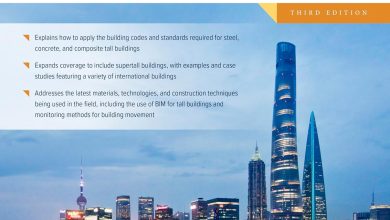
    An essential guide to designing tall and super tall buildings―thoroughly revised for the latest standards and advances

    This fully updated guide clearly explains the structural systems, codes, and calculations used in the design and construction of tall and supertall buildings. This new edition has been reconceived to provide more practical and applied information to help you understand the design procedures and code provisions involved. The book discusses the latest versions of relevant codes and standards, including the 2018 IBC, ASCE 7-16, ACI 318, and AISC 360 & 341. Readers will learn how to correctly apply these building codes and standards.

    Steel, Concrete, and Composite Design of Tall and Supertall Buildings, Third Edition addresses the latest materials, technologies, and construction techniques being used in the field, including the use of BIM for tall buildings and monitoring methods for building movement. Brand-new case studies in this edition encompass a variety of tall and supertall buildings from North America, Asia, and Europe that illustrate real-world applications.

    Chapters cover:

    • Wind Effects
    • Seismic effects
    • Lateral Systems for Steel Buildings
    • Lateral Systems for Concrete Buildings
    • Lateral Systems for Composite Construction
    • Gravity Systems for Steel Buildings
    • Gravity Systems for Concrete Buildings
    • Composite Gravity Systems
    • Analysis Techniques
    • Performance-Based Design
    • Special Topics

    This practical reference is ideal for engineering students, consulting engineers, architects, engineers employed by federal, state, and local governments, and educators.

    دانلود ایبوک طراحی فولاد، بتن و کامپوزیت ساختمان‌های بلند و بسیار بلند، ویرایش سوم (ویرایش سوم) – کتاب الکترونیکی – نسخه اصلی PDF

    یک راهنمای ضروری برای طراحی ساختمان‌های بلند و بسیار بلند – کاملاً مطابق با آخرین استانداردها و پیشرفت‌ها

    این راهنمای کاملاً به‌روز شده، سیستم‌های سازه‌ای، ضوابط و محاسبات مورد استفاده در طراحی و ساخت ساختمان‌های بلند و بسیار بلند را به وضوح توضیح می‌دهد. این ویرایش جدید برای ارائه اطلاعات کاربردی‌تر و عملی‌تر، به منظور کمک به شما در درک رویه‌های طراحی و مفاد آیین‌نامه‌ای مربوطه، بازنگری شده است. این کتاب آخرین نسخه‌های ضوابط و استانداردهای مربوطه، از جمله IBC 2018، ASCE 7-16، ACI 318 و AISC 360 & 341 را مورد بحث قرار می‌دهد. خوانندگان یاد خواهند گرفت که چگونه این ضوابط و استانداردهای ساختمانی را به درستی اعمال کنند.

    طراحی فولاد، بتن و کامپوزیت ساختمان‌های بلند و بسیار بلند، ویرایش سوم، به جدیدترین مصالح، فناوری‌ها و تکنیک‌های ساخت و ساز مورد استفاده در این زمینه، از جمله استفاده از BIM برای ساختمان‌های بلند و روش‌های نظارت بر حرکت ساختمان می‌پردازد. مطالعات موردی کاملاً جدید در این ویرایش، انواع ساختمان‌های بلند و بسیار بلند از آمریکای شمالی، آسیا و اروپا را در بر می‌گیرد که کاربردهای دنیای واقعی را نشان می‌دهند.

    فصل‌ها موارد زیر را پوشش می‌دهند:

    اثرات باد
    اثرات لرزه‌ای
    سیستم‌های جانبی برای ساختمان‌های فولادی
    سیستم‌های جانبی برای ساختمان‌های بتنی
    سیستم‌های جانبی برای ساخت کامپوزیت
    سیستم‌های گرانشی برای ساختمان‌های فولادی
    سیستم‌های گرانشی برای ساختمان‌های بتنی
    سیستم‌های گرانشی کامپوزیت
    تکنیک‌های تحلیل
    طراحی مبتنی بر عملکرد
    مباحث ویژه

    این مرجع کاربردی برای دانشجویان مهندسی، مهندسان مشاور، معماران، مهندسان شاغل در دولت‌های فدرال، ایالتی و محلی و مربیان ایده‌آل است.

    فهرست مطالب Steel, Concrete, and Composite Design of Tall and Supertall Buildings, Third Edition

    Prefaceix
    Acknowledgmentxi
    Chapter 1.General Considerations and Case Studies…..1
    1.1Introduction………………………………………….4
    1.2Structural Concepts……………………………………5
    1.3Structural Vocabulary; Case Studies………………………7
    Chapter 2.Wind Effects…………………………..161
    2.1Design Considerations………………………………….161
    2.2Nature of Wind………………………………………..162
    2.3Extreme Wind Conditions……………………………….164
    2.4Characteristics of Wind…………………………………166
    2.5Code Wind Loads………………………………………175
    2.6Pedestrian Wind Studies………………………………..221
    2.7Field Measurements of Wind Loads…………………….222
    2.8Motion Perception: Human Response to Building Motions…..224
    2.9Wind Tunnel Testing and Analysis………………………..224
    2.10Chapter Summary……………………………………..236
    Chapter 3.Seismic Effects…………………………237
    3.1Introduction………………………………………….237 3.2Tall Building Behavior During Earthquakes………………..245 3.3Seismic Design Concept………………………………..250
    3.4IBC 2018 and ASCE 7-16 Code Requirements EquivalentLateral Force Procedure………………………………..259
    3.5Dynamic Analysis Procedure…………………………….310 3.6Seismic Vulnerability Study and Retrofit Design……………331 3.7Dynamic Analysis: Theory………………………………334 3.8Summary…………………………………………….344
    Chapter 4.Lateral Systems: Steel Buildings………….347
    4.1Introduction………………………………………….347
    4.2Frames with Semirigid Connections………………………347
    4.3Rigid Frames (Moment Frames)………………………….358
    4.4Braced Frames………………………………………..361
    4.5Staggered Truss System………………………………..365
    4.6Eccentric Bracing Systems………………………………370

    CoNTENTS
    4.7Interacting System of Braced and Rigid Frames…………….372
    4.8outrigger and Belt Truss Systems………………………..376
    4.9Framed Tube System…………………………………..387
    4.10Trussed Tube System…………………………………..395
    4.11The Bundled Tube……………………………………..399
    4.12Ultimate High-Efficiency Structures………………………403
    4.13Diagrid System………………………………………..405
    4.14SuperFrame…………………………………………..408
    Chapter 5.Lateral Bracing Systems for ConcreteBuildings……………………………..409
    5.1Frame Action of Column and Two-Way Slab Systems. . . . . . . . . . .410
    5.2Flat Slab and Shear Walls……………………………….411
    5.3Flat Slab, Shear Walls, and Columns………………………411
    5.4Coupled Shear Walls……………………………………411
    5.5Rigid Frame…………………………………………..411
    5.6Widely Spaced Perimeter Tube…………………………..412
    5.7Rigid Frame with Haunch Girders………………………..413
    5.8Core-Supported Structures……………………………..413
    5.9Shear Wall-Frame Interaction……………………………415
    5.10Frame Tube Structures………………………………….418
    5.11Exterior Diagonal Tube…………………………………422
    5.12Modular or Bundled Tube……………………………….423
    5.13Buttressed Core System………………………………..423
    5.14Miscellaneous Systems…………………………………425
    Chapter 6.Lateral Systems for Composite Construction…429
    6.1Introduction………………………………………….429
    6.2Composite Elements…………………………………..430
    6.3Composite Building Systems…………………………….434
    6.4Example Projects………………………………………440
    6.5High-Efficiency Structure: Structural Concept……………..453
    Chapter 7.Gravity Systems for Steel Buildings……….455
    7.1Introduction………………………………………….455
    7.2Design Loads…………………………………………457
    7.3Design Load Combinations……………………………..458
    7.4Required Strength…………………………………….461
    7.5Metal Deck Systems……………………………………461
    7.6open-Web Joist System…………………………………461
    7.7Wide-Flange Beams……………………………………462
    7.8Columns……………………………………………..463
    Chapter 8.Gravity Systems in Concrete Buildings…….465
    8.1Floor Systems…………………………………………465
    8.2Prestressed Concrete Systems…………………………..483
    Chapter 9.Composite Gravity Systems………………511
    9.1Composite Metal Decks…………………………………511
    9.2Composite Beams……………………………………..513
    9.3Composite Columns……………………………………523

    9.4Combined Axial Force and Flexure (AIsC I5)……………….527
    9.5Composite Haunch Girders……………………………..527
    9.6Compositetrusses…………………………………….527
    9.7Compositestub Girders………………………………..527
    Chapter 10.Analysistechniques…………………..535
    10.1Preliminary Hand Calculations…………………………..535
    10.2Lumpingtechniques…………………………………..551
    10.3Partial Computer Models……………………………….553
    10.4torsion………………………………………………554
    Chapter 11.Performance-Based Design……………..599
    11.1Introduction………………………………………….599
    11.2Defining Performance-Based Design……………………..600
    11.3Prescriptive Code Approach…………………………….600
    11.4Performance-Based Design Approach…………………….600
    11.5enhancingseismicPerformance to Mitigate Risk…………..603
    11.6Currentspecifications for Performance-Basedseismic Design…604
    Chapter 12.specialtopics………………………..607
    12.1Differentialshortening of Columns………………………607 12.2Floor-Leveling Problems………………………………..616 12.3Floor Vibrations……………………………………….618 12.4Panel Zoneeffects……………………………………..621 12.5Claddingsystems……………………………………..625 12.6Mechanical Dampingsystems…………………………..630 12.7Foundations………………………………………….631 12.8seismic Design of Diaphragms…………………………..638 12.9earthquake Hazard Mitigationtechnology………………..643
    12.10steelseismicsystems and PrequalifiedsteelMoment Connections…………………………………..648
    Selected References649
    Index653

  • دانلود کتاب Mastering Fire Cas Detection Systems Blueprint for Oil Gas Safety Engineering Professionals to Design, Select, Execute & Maintain Next Level Safety

    دانلود کتاب Mastering Fire Cas Detection Systems Blueprint for Oil Gas Safety Engineering Professionals to Design, Select, Execute & Maintain Next Level Safety

    خرید ایبوک Mastering Fire & Cas Detection Systems

    برای دانلود ایبوک Mastering Fire & Cas Detection Systems و خرید کتاب تسلط بر سیستم‌های تشخیص آتش و کَس: طرحی برای متخصصان مهندسی ایمنی نفت و گاز برای طراحی، انتخاب، اجرا و حفظ ایمنی سطح بعدی بر روی کلید خرید در انتهای صفحه کلیک کنید. پس از اتصال به درگاه پرداخت هزینه و تکمیل مراحل خرید، لینک دانلود کتاب ایمیل می شود.این ایبوک در فرمت Epub به همراه PDF تبدیلی و به زبان انگلیسی ارسال می شود.نسخه الکترونیکی کتاب قابلیت کپی برداری copy و Paste دارد.

    در صورتی که نیاز به پی دی اف هر کتابی از انتشارات TLC Publishing دارید با گیگاپیپر مکاتبه کنید.

    Mastering Fire & Cas Detection Systems: Blueprint for Oil & Gas Safety Engineering Professionals to Design, Select, Execute & Maintain Next Level Safety

    by Satheesh Kumar Veluswamy (Author)

    Language ‏ : ‎ English

    Publisher ‏ : ‎ TLC Publishing

    Publication date ‏ : ‎ March 5, 2025

    Language ‏ : ‎ English

    Print length ‏ : ‎ 530 pages

    ISBN-10 ‏ : ‎ 9360060305

    ISBN-13 ‏ : ‎ 978-9360060305

    Send email to download :ایمیل گیگاپیپر دانلود کتاب مقاله پایان نامه

    Price : 10$

    https://www.amazon.com/Mastering-Fire-Detection-Systems-Professionals/dp/B0DZGTPN29
    
    https://www.amazon.com/dp/B0DZXZ2GSJ

    دانلود رایگان کتاب Mastering Fire & Cas Detection Systems

    MasteringFire & Gas Detection Systems
    Satheesh Kumar Veluswamy, a recognized expert in Fire & Gas (F&G) systems, offers a comprehensive guide to mastering F&G detection technologies. This book is crafted to enhance your expertise in designing, selecting, executing, and maintaining advanced safety systems. Inside, you will discover:
    In-depth insights into cutting-edge technologies and best practices in F&G detection.
    Step-by-step guidance on system design and selection tailored to specific applications.
    Practical advice for project execution, from FEED to completion, including maintenance and obsolescence planning.
    Real-world case studies showcasing successful implementation and troubleshooting.
    Mastering Fire & Gas Detection Systems goes beyond a technical manual it’s a roadmap to excellence in safety engineering, whether you’re a seasoned professional or just entering the field.

    About the Author –

    Eng. Satheesh Kumar Veluswamy is the Country Manager at Instrol and Director of Operations & Business Development at Instrol Ruastech Engineering in Qatar, both specializing in the oil and gas industry. With a PG Diploma in Intemational Business Management and a BE in Instrumentation & Control Engineering, he brings over two decades of expertise, particularly in Fire & Gas systems, Process Analytics, Automation, and Engineered Safety Solutions.
    Committed to delivering cutting-edge technologies, he focuses on exceeding client expectations through excellence. A visionary leader dedicated to a safer, smarter, and more sustainable future, Satheesh shares his knowledge in this debut book, inspired by the motto, “Givers Gain.”

    دانلود ایبوک تسلط بر سیستم‌های تشخیص آتش

    تسلط بر سیستم‌های تشخیص آتش و گاز
    ساتیش کومار ولوسوامی، متخصص شناخته‌شده در سیستم‌های آتش و گاز (F&G)، راهنمای جامعی برای تسلط بر فناوری‌های تشخیص آتش و گاز ارائه می‌دهد. این کتاب برای افزایش تخصص شما در طراحی، انتخاب، اجرا و نگهداری سیستم‌های ایمنی پیشرفته تدوین شده است. در این کتاب، موارد زیر را خواهید یافت:

    بینش عمیق در مورد فناوری‌های پیشرفته و بهترین شیوه‌ها در تشخیص آتش و گاز.

    راهنمای گام به گام در مورد طراحی و انتخاب سیستم متناسب با کاربردهای خاص.

    توصیه‌های کاربردی برای اجرای پروژه، از FEED تا تکمیل، شامل برنامه‌ریزی تعمیر و نگهداری و منسوخ شدن.

    مطالعات موردی دنیای واقعی که پیاده‌سازی و عیب‌یابی موفقیت‌آمیز را نشان می‌دهند.

    کتاب تسلط بر سیستم‌های تشخیص آتش و گاز فراتر از یک راهنمای فنی است، بلکه نقشه راهی برای تعالی در مهندسی ایمنی است، چه شما یک متخصص باتجربه باشید و چه تازه وارد این حوزه شده باشید.

    درباره نویسنده –

    مهندس ساتیش کومار ولوسوامی، مدیر کشوری در شرکت Instrol و مدیر عملیات و توسعه کسب و کار در شرکت مهندسی Instrol Ruastech در قطر است که هر دو در صنعت نفت و گاز تخصص دارند. او با داشتن مدرک دیپلم PG در رشته مدیریت بازرگانی بین‌المللی و مدرک کارشناسی ارشد در رشته مهندسی ابزار دقیق و کنترل، بیش از دو دهه تخصص، به ویژه در سیستم‌های آتش و گاز، تجزیه و تحلیل فرآیند، اتوماسیون و راهکارهای ایمنی مهندسی شده را به ارمغان می‌آورد.

    او که متعهد به ارائه فناوری‌های پیشرفته است، بر فراتر رفتن از انتظارات مشتری از طریق تعالی تمرکز دارد. ساتیش، رهبری آینده‌نگر که به آینده‌ای امن‌تر، هوشمندانه‌تر و پایدارتر متعهد است، دانش خود را در این کتاب که اولین کتاب اوست، با الهام از شعار “بخشندگان سود می‌برند” به اشتراک می‌گذارد.

  • دانلود کتاب Principles of Geotechnical Engineering SI 10th Edition

    دانلود کتاب Principles of Geotechnical Engineering SI 10th Edition

    خرید ایبوک Principles of Geotechnical Engineering, SI Edition

    برای دانلود ایبوک Principles of Geotechnical Engineering, SI Edition 10th Edition و خرید کتاب اصول مهندسی ژئوتکنیک، ویرایش SI، ویرایش دهم بر روی کلید خرید در انتهای صفحه کلیک کنید. پس از اتصال به درگاه پرداخت هزینه و تکمیل مراحل خرید، لینک دانلود کتاب ایمیل می شود.این ایبوک در فرمت PDF Original و به زبان انگلیسی ارسال می شود.نسخه الکترونیکی کتاب قابلیت کپی برداری copy و Paste دارد.

    در صورتی که نیاز به پی دی اف هر کتابی از انتشارات ‎ Cengageدارید با گیگاپیپر مکاتبه کنید.

    خرید کتاب Principles of Geotechnical Engineering, SI Edition

    Principles of Geotechnical Engineering, SI Edition 10th Edition

    by Braja Das (Author)

    Publisher ‏ : ‎ Cengage Learning

    Publication date ‏ : ‎ January 22, 2021

    Edition ‏ : ‎ 10th

    Language ‏ : ‎ English

    Print length ‏ : ‎ 880 pages

    ISBN-10 ‏ : ‎ 0357420489

    ISBN-13 ‏ : ‎ 978-0357420485

    Send email to download :ایمیل گیگاپیپر دانلود کتاب مقاله پایان نامه

    Price : 15$

    https://www.amazon.com/Principles-Geotechnical-Engineering-Braja-Das/dp/0357420489/
    
    https://www.cengage.uk/c/principles-of-geotechnical-engineering-si-edition-10e-das/9780357420485/

    دانلود رایگان کتاب Principles of Geotechnical Engineering 10th Edition

    برای اطمینان از کیفیت ایبوک اصول مهندسی ژئوتکنیک براجا داس ویرایش دهم SI چند صفحه از این کتاب در ادامه اورده شده است.

    Gain a solid understanding of soil mechanics and soil properties as Das’ PRINCIPLES OF GEOTECHNICAL ENGINEERING, SI, 10th Edition introduces these topics together with coverage of the latest field practices and basic civil engineering procedures. This book provides the important foundation you need for future design-oriented courses as well as professional practice. Updates address seepage, vertical stress in soil mass, lateral earth pressure and earthquake forces, elastic settlement, shear strength of soil, unit weights of soil and plasticity. This practical approach combines comprehensive discussions and detailed explanations with almost 200 new or updated example problems to help ensure your understanding. Expanded and updated end-of-chapter problems provide opportunities to apply your knowledge. This edition also offers more figures and worked-out problems than any other book in the market to further your skills and understanding.

    دانلود ایبوک اصول مهندسی ژئوتکنیک براجا داس ویرایش دهم SI

    این کتاب درسی کلیدی، دانشجویان را با حوزه روانشناسی صنعتی و سازمانی آشنا می‌کند و توضیح می‌دهد که چگونه روانشناسان صنعتی-سازمانی، کار و فعالیت را بهبود می‌بخشند. این کتاب توضیح می‌دهد که چگونه روانشناسان صنعتی-سازمانی به سازمان‌ها کمک می‌کنند تا بهترین افراد را استخدام کنند، کار را ایمن‌تر و کم‌استرس‌تر کنند و از مدیران و رهبران حمایت می‌کنند تا در رهبری دیگران مؤثرتر باشند. همچنین توضیح می‌دهد که چگونه روانشناسان صنعتی-سازمانی با سازمان‌ها همکاری می‌کنند تا تنوع در نیروی کار را بپذیرند، محیط فیزیکی کار را به بهترین شکل برای کارکنان طراحی کنند و محصولات و خدمات خود را به مصرف‌کنندگان عرضه کنند.

    ویژگی‌های کلیدی این نسخه عبارتند از:

    پوشش هر دو حوزه موضوعی اساسی و سنتی صنعتی-سازمانی مانند تحلیل شغل، انتخاب کارکنان و انگیزه کاری، و همچنین حوزه‌های موضوعی که امروزه در محیط‌های کاری مهم هستند مانند استرس و رفاه، عوامل انسانی و آمادگی برای مشاغل آینده.

    پوشش جدید یا گسترده‌تر تیم‌ها در سازمان‌ها، کار از راه دور/ترکیبی، ترک آرام و مسائل مربوط به تنوع، برابری و شمول،

    یک فصل روش‌های ساده که بیشتر بر روش‌های خاص مورد استفاده روانشناسان صنعتی-سازمانی، مانند گروه‌های کانونی، نظرسنجی‌ها و نظرسنجی‌های گالوپ تمرکز دارد.

    این کتاب که سرشار از ابزارهای آموزشی متنوع و مثال‌های دنیای واقعی است، برای دانشجویان کارشناسی در دوره‌های مقدماتی روانشناسی صنعتی-سازمانی یا روانشناسی رفتار کاری جالب خواهد بود.

    فهرست مطالب Principles of Geotechnical Engineering SI 10th Edition

    Preface to the SI Editionxii
    Prefacexiii
    About the Authorxvi
    Digital Resourcesxvii
    1Geotechnical Engineering—A Historical Perspective1
    1.1Introduction2
    1.2Geotechnical Engineering Prior to the 18th Century2
    1.3Preclassical Period of Soil Mechanics (1700–1776)6
    1.4Classical Soil Mechanics—Phase I (1776–1856)6
    1.5Classical Soil Mechanics—Phase II (1856–1910)7
    1.6Modern Soil Mechanics (1910–1927)7
    1.7Geotechnical Engineering after 19279
    1.8Geosynthetics and Civil Engineering Construction13
    1.9End of an Era15
    references16
    2Origin of Soil and Grain Size18
    2.1Introduction19
    2.2Rock Cycle and the Origin of Soil19
    2.3Rock-Forming Minerals, Rock, and Rock Structures29
    2.4Soil-Particle Size33
    2.5Clay Minerals35
    2.6Specific Gravity (Gs)42
    2.7Mechanical Analysis of Soil42
    2.8Particle-Size Distribution Curve51
    2.9Particle Shape58
    2.10Summary59
    practice problems60references61
    3Weight–Volume Relationships62
    3.1Introduction63
    3.2Weight–Volume Relationships63
    3.3Relationships among Unit Weight, Void Ratio, Moisture Content,and Specific Gravity66
    3.4Relationships among Unit Weight, Porosity, and Moisture Content69
    3.5Various Unit Weight Relationships77
    3.6Relative Density77
    3.7Comments onemaxandemin80
    3.8Correlations betweenemax,emin,emax2emin, and Median Grain Size (D50)83

    3.9Summary85
    practice problems85references87
    4Plasticity and Structure of Soil88
    4.1Introduction89
    4.2Liquid Limit (LL)90
    4.3Plastic Limit (PL)98
    4.4Plasticity Index100
    4.5Plasticity Chart100
    4.6Shrinkage Limit (SL)101
    4.7Liquidity Index and Consistency Index103
    4.8Activity104
    4.9Soil Structure107
    4.10Summary111
    practice problems112references113
    5Engineering Classification of Soil115
    5.1Introduction116
    5.2AASHTO Classification System116
    5.3Unified Soil Classification System119
    5.4Comparison between the AASHTO and Unified Systems127
    5.5Summary128
    practice problems129references129
    6Soil Compaction130
    6.1Introduction131
    6.2Compaction—General Principles132
    6.3Standard Proctor Test133
    6.4Factors Affecting Compaction137
    6.5Modified Proctor Test140
    6.6Empirical Relationships141
    6.7Structure of Compacted Clay Soil150
    6.8Effect of Compaction on Cohesive Soil Properties151
    6.9Field Compaction154
    6.10Specifications for Field Compaction158
    6.11Determination of Field Unit Weight of Compaction159
    6.12Evaluation of Soils as Compaction Material164
    6.13Compaction of Organic Soil and Waste Materials165
    6.14Special Compaction Techniques168
    6.15Summary174
    practice problems174
    references175
    7Permeability177
    7.1Introduction178
    7.2Bernoulli’s Equation178

    7.3Darcy’s Law180
    7.4Hydraulic Conductivity182
    7.5Laboratory Determination of Hydraulic Conductivity183
    7.6Relationships for Hydraulic Conductivity—Granular Soil189
    7.7Relationships for Hydraulic Conductivity—Cohesive Soils195
    7.8Directional Variation of Permeability200
    7.9Equivalent Hydraulic Conductivity in Stratified Soil201
    7.10Experimental Verification of Equivalent Hydraulic Conductivity203
    7.11Permeability Test in the Field by Pumping from Wells207
    7.12Hydraulic Conductivity of Compacted Clayey Soils211
    7.13Summary212
    practice problems213references215
    8Seepage217
    8.1Introduction218
    8.2Laplace’s Equation of Continuity218
    8.3Continuity Equation for Solution of Simple Flow Problems220
    8.4Flow Nets223
    8.5Seepage Calculation from a Flow Net224
    8.6Flow Nets in Anisotropic Soil229
    8.7Mathematical Solution for Seepage231
    8.8Uplift Pressure under Hydraulic Structures233
    8.9Seepage through an Earth Dam on an Impervious Base234
    8.10L. Casagrande’s Solution for Seepage through an Earth Dam237
    8.11Pavlovsky’s Solution for Seepage through an Earth Dam239
    8.12Plotting of Phreatic Line for Seepage through an Earth Dam242
    8.13Filter Design245
    8.14Summary248
    practice problems249
    references251
    9.1Introduction253
    9.2Stresses in Saturated Soil without Seepage253
    9.3Stresses in Saturated Soil with Upward Seepage258
    9.4Stresses in Saturated Soil with Downward Seepage261
    9.5Seepage Force262
    9.6Heaving in Soil Due to Flow around Sheet Piles266
    9.7Use of Filters to Increase the Factor of Safety against Heave271
    9.8Effective Stress in Partially Saturated Soil273
    9.9Capillary Rise in Soils274
    9.10Effective Stress in the Zone of Capillary Rise277
    9.11Summary279
    practice problems280references282
    10Stresses in a Soil Mass283
    10.1Introduction284
    10.2Normal and Shear Stresses on a Plane285

    10.3The Pole Method of Finding Stresses along a Plane289
    10.4Stresses Caused by a Vertical Point Load291
    10.5Stresses Caused by a Horizontal Point Load293
    10.6Vertical Stress Caused by a Vertical Line Load294
    10.7Vertical Stress Caused by a Horizontal Line Load296
    10.8Vertical Stress Caused by a Vertical Strip Load (Finite Width and Infinite Length)298
    10.9Vertical Stress Caused by a Horizontal Strip Load304
    10.10Linearly Increasing Vertical Loading on an Infinite Strip306
    10.11Symmetrical Vertical Triangular Strip Load on the Surface309
    10.12Vertical Stress Due to Embankment Loading312
    10.13Vertical Stress below the Center of a Uniformly Loaded Circular Area315
    10.14Vertical Stress at Any Point below aUniformly Loaded Circular Area316
    10.15Vertical Stress Increase below a FlexibleCircular Area—Parabolic and Conical Loading320
    10.16Vertical Stress Caused by a Rectangularly Loaded Area323
    10.17Influence Chart for Vertical Pressure329
    10.18Summary331
    practice problems332references335
    11Compressibility of Soil—Elastic Settlement336
    11.1Introduction337
    11.2Contact Pressure and Settlement Profile337
    11.3Relations for Elastic Settlement Calculation339
    11.4Improved Relationship for Elastic Settlement348
    11.5Settlement of Foundation on Saturated Clay352
    11.6Summary354
    practice problems354references355
    12Consolidation356
    12.1Introduction357
    12.2Fundamentals of Consolidation357
    12.3One-Dimensional Laboratory Consolidation Test361
    12.4Void Ratio–Pressure Plots363
    12.5Normally Consolidated and Overconsolidated Clays366
    12.6General Comments on Conventional Consolidation Test371
    12.7Effect of Disturbance on Void Ratio–Pressure Relationship372
    12.8Calculation of Settlement from One-Dimensional Primary Consolidation374
    12.9Correlations for Compression Index (Cc)375
    12.10Correlations for Swell Index (Cs)377
    12.11Secondary Consolidation Settlement380
    12.12Time Rate of Consolidation382
    12.13Determination of Coefficient of Consolidation391
    12.14Calculation of Consolidation Settlement under a Foundation399
    12.15Methods for Accelerating Consolidation Settlement400
    12.16Precompression402
    12.17A Case History—Settlement Due to a Preload Fill for Construction of Tampa VA Hospital405
    12.18Summary409
    practice problems410references413

    Shear Strength of Soil415
    13.1Introduction416
    13.2Mohr–Coulomb Failure Criterion416
    13.3Inclination of the Plane of Failure Caused by Shear418
    13.4Laboratory Test for Determination of Shear Strength Parameters419
    13.5Direct Shear Test419
    13.6Drained Direct Shear Test on Saturated Sand and Clay424
    13.7General Comments on Direct Shear Test427
    13.8Triaxial Shear Test—General431
    13.9Consolidated-Drained Triaxial Test433
    13.10Consolidated-Undrained Triaxial Test440
    13.11General Comments onf9cvfor Granular Soil446
    13.12Unconsolidated-Undrained Triaxial Test449
    13.13Unconfined Compression Test on Saturated Clay453
    13.14Empirical Relationships between Undrained Cohesion (cu) and Effective OverburdenPressure (s9o)454
    13.15Sensitivity and Thixotropy of Clay456
    13.16Strength Anisotropy in Clay458
    13.17Vane Shear Test459
    13.18Other Methods for Determining Undrained Shear Strength465
    13.19Stress Path466
    13.20Shear Strength of Unsaturated Soil470
    13.21Summary473
    practice problems474
    references476
    14Lateral Earth Pressure: At-Rest, Rankine, and Coulomb478
    14.1Introduction479
    14.2At-Rest, Active, and Passive Pressures479
    At-Rest Lateral Earth Pressure481
    14.3Earth Pressure At-Rest481
    14.4Earth Pressure At-Rest for Partially Submerged Soil483
    Rankine’s Lateral Earth Pressure486
    14.5Rankine’s Theory of Active Pressure486
    14.6Theory of Rankine’s Passive Pressure488
    14.7Yielding of Wall of Limited Height489
    14.8A Generalized Case for Rankine Active and Passive Pressure—Granular Backfill490
    14.9Diagrams for Lateral Earth-Pressure Distribution against Retaining Wallswith Vertical Back499
    Coulomb’s Earth Pressure Theory511

    Coulomb’s Active Pressure511
    14.11Coulomb’s Passive Pressure517
    14.12Active Force on Retaining Walls with Earthquake Forces (Granular Backfill)518
    14.14Common Types of Retaining Walls in the Field530
    14.15Summary534

    Lateral Earth Pressure: Curved Failure Surface537
    15.1Introduction538
    15.2Retaining Walls with Friction538
    15.3Properties of a Logarithmic Spiral540
    Passive Earth Pressure541
    15.4Procedure for Determination of Passive Earth Pressure (Pp)—Cohesionless Backfill541
    15.5Coefficient of Passive Earth Pressure (Kp)543
    15.6Caquot and Kerisel Solution for Passive Earth Pressure (Granular Backfill)547
    15.7Passive Force on Walls with Seepage552
    Braced Cuts554
    15.8Braced Cuts—General554
    15.9Determination of Active Thrust on Bracing Systems of Open Cuts—Granular Soil556
    15.10Determination of Active Thrust on Bracing Systems for Cuts—Cohesive Soil559
    15.11Pressure Variation for Design of Sheetings, Struts, and Wales560
    15.12Summary563
    practiceproblems564references565
    16Slope Stability567
    16.1Introduction568
    16.2Factor of Safety570
    16.3Stability of Infinite Slopes571
    16.4Infinite Slope with Steady-state Seepage573
    16.5Finite Slopes—General576
    16.6Analysis of Finite Slopes with Plane Failure Surfaces (Culmann’s Method)576
    16.7Analysis of Finite Slopes with Circular Failure Surfaces—General579
    16.8Mass Procedure—Slopes in Homogeneous Clay Soil withf50580
    16.9Mass Procedure—Stability of Saturated Clay Slope (f50 Condition) with EarthquakeForces587
    16.10Mass Procedure—Slopes in Homogeneousc92f9Soil590
    16.11Taylor’s Slope Stability Chart Combined with Earthquake Effects (c92f9Soils)598
    16.12Ordinary Method of Slices604
    16.13Bishop’s Simplified Method of Slices607
    16.14Stability Analysis by Method of Slices for Steady-State Seepage610
    16.15A Case History of Slope Failure612
    16.16Solutions for Steady-State Seepage615
    16.17Morgenstern’s Method of Slices for Rapid Drawdown Condition625
    16.18Fluctuation of Factor of Safety of Slopes in Clay Embankment on Saturated Clay628
    16.19Summary631
    practice problems631
    references633
    17Soil-Bearing Capacity for a Shallow Foundation635
    17.1Introduction636
    17.2Ultimate Soil-Bearing Capacity for Shallow Foundations637
    17.3Terzaghi’s Ultimate Bearing Capacity Equation639
    17.4Effect of Groundwater Table642
    17.5Factor of Safety643
    17.6General Bearing Capacity Equation647

    17.7Meyerhof’s Bearing Capacity, Shape, and Depth Factors650
    17.8A Case History for Evaluation of the Ultimate Bearing Capacity654
    17.9Ultimate Load for Shallow Footings under Eccentric Load (One-Way Eccentricity)17.10Continuous Footing under Eccentrically Inclined Load663
    17.11Bearing Capacity of Sand Based on Settlement667
    17.12Summary669
    practice problems670references671
    18Subsoil Exploration673
    18.1Introduction674
    18.2Planning for Soil Exploration675
    18.3Boring Methods676
    18.4Common Sampling Methods679
    18.5Sample Disturbance683
    18.6Correlations forN60in Cohesive Soil684
    18.7Correlations for Standard Penetration Number in Granular Soil686
    18.8OtherIn SituTests693
    18.9Vane Shear Test693
    18.10Borehole Pressuremeter Test693
    18.11Cone Penetration Test694
    18.12Rock Coring699
    18.13Soil Exploration Report701
    18.14Summary701
    practiceproblems703references704
    19An Introduction to Geosynthetics706
    19.1Introduction 707
    19.2Geotextile708
    19.3Geogrid713
    19.4Geomembrane717
    19.5Geonet720
    19.6Geosynthetic Clay Liner722
    19.7Summary723
    references723
    Answers to Selected Problems725

  • دانلود کتاب FIDIC Yellow Book: A Commentary

    دانلود کتاب FIDIC Yellow Book: A Commentary

    خرید ایبوک FIDIC Yellow Book

    برای دانلود ایبوک FIDIC Yellow Book: A Commentary و خرید کتاب کتاب زرد فیدیک: تفسیر بر روی کلید خرید در انتهای صفحه کلیک کنید. پس از اتصال به درگاه پرداخت هزینه و تکمیل مراحل خرید، لینک دانلود کتاب ایمیل می شود.این ایبوک در فرمت PDF و به زبان انگلیسی ارسال می شود.نسخه الکترونیکی کتاب قابلیت کپی برداری copy و Paste دارد.

    در صورتی که نیاز به پی دی اف هر کتابی از انتشارات ICE Publishing دارید با گیگاپیپر مکاتبه کنید.

    FIDIC Yellow Book: A Commentary

    By Ben Beaumont

    ISBN 9781138052314
    408 Pages
    Published December 27, 2018 by Informa Law from Routledge

    Send email to download :ایمیل گیگاپیپر دانلود کتاب مقاله پایان نامه

    Price : 15$

    https://www.taylorfrancis.com/books/mono/10.4324/9781315167862/fidic-yellow-book-commentary-ben-beaumont
    
    https://www.routledge.com/FIDIC-Yellow-Book-A-Commentary/Beaumont/p/book/9781138052314?

    دانلود رایگان کتاب FIDIC Yellow Book

    The book analyses every aspect of the ease or otherwise of implementing the FIDIC Yellow Book Conditions of Contract. On a clause-by-clause basis, it highlights important structural features and suggests alternative text to avoid problems with the contract. Written in a user-friendly manner by an expert user of the FIDIC Suite of Contracts, who is a Member of the FIDIC President’s List of Adjudicators, this book will be a vital reference point for contractors, lawyers, engineers, arbitrators and all others concerned with the FIDIC contracts.

    دانلود ایبوک کتاب زرد فیدیک: تفسیر

    این کتاب تمام جنبه‌های سهولت یا عدم سهولت اجرای شرایط قرارداد کتاب زرد فیدیک را تجزیه و تحلیل می‌کند. بر اساس بند به بند، ویژگی‌های ساختاری مهم را برجسته کرده و متن جایگزینی را برای جلوگیری از مشکلات قرارداد پیشنهاد می‌دهد. این کتاب که به شیوه‌ای کاربرپسند توسط یک کاربر متخصص مجموعه قراردادهای فیدیک، که عضو فهرست داوران رئیس فیدیک است، نوشته شده است، مرجعی حیاتی برای پیمانکاران، وکلا، مهندسان، داوران و سایر افراد مرتبط با قراردادهای فیدیک خواهد بود.

  • دانلود کتاب calculating lost labor productivity in construction claims

    دانلود کتاب calculating lost labor productivity in construction claims

    خرید ایبوک calculating lost labor productivity in construction claims 

    برای دانلود ایبوک calculating lost labor productivity in construction claims cumulative supplenent  و خرید کتاب محاسبه بهره‌وری نیروی کار از دست رفته در مطالبات ساختمانی – مکمل تجمعی بر روی کلید خرید در انتهای صفحه کلیک کنید. پس از اتصال به درگاه پرداخت هزینه و تکمیل مراحل خرید، لینک دانلود کتاب ایمیل می شود.این ایبوک در فرمت PDF اسکن و به زبان انگلیسی ارسال می شود.نسخه الکترونیکی کتاب قابلیت کپی برداری copy و Paste ندارد.

    در صورتی که نیاز به پی دی اف هر کتابی از انتشارات Internet Archive دارید با گیگاپیپر مکاتبه کنید.

    خرید کتاب calculating lost labor productivity in construction claims

    calculating lost labor productivity in construction claims cumulative supplenent

    by william schwartzkopf

    Published online: 2000

    isbn_0735514089

    https://archive.org/details/isbn_0735514089/mode/1up

    دانلود رایگان کتاب calculating lost labor productivity 

    CONTENTSSections listed below appear only in the supplement and not in the main volume. Preface

    Chapter 1Chapter 1Labor Productivity DefinedLabor Productivity Defined1
    § 1.8§ 1.8Productivity AnalysisProductivity Analysis1
    Chapter 2Chapter 2Overtime and Shift WorkOvertime and Shift Work7
    § 2.13§ 2.13Construction Industry Institute StudyConstruction Industry Institute Study8
    Chapter 3Chapter 3AccelerationAcceleration11
    Chapter 4Chapter 4The Effect of Change Orders on ProductivityThe Effect of Change Orders on Productivity23
    § 4.9§ 4.9Impact of Change Orders on Electrical and MechanicalImpact of Change Orders on Electrical and Mechanical
    Chapter 5Chapter 5Productivity Losses Related to WeatherProductivity Losses Related to Weather31
    Chapter 6Chapter 6Learning CurvesLearning Curves39
    Chapter 7Chapter 7Project Characteristics That Affect LaborProject Characteristics That Affect Labor43
    § 7.6§ 7.6—Effects of Type of Owner—Effects of Type of Owner44
    Chapter 8Chapter 8Project Management Impacts on ProductivityProject Management Impacts on Productivity47
    Chapter 9Chapter 9Nonwage Labor CostNonwage Labor Cost49
    Chapter 10Chapter 10Measuring ProductivityMeasuring Productivity51
    § 10.6§ 10.6Measured Mile Method of Productivity MeasurementMeasured Mile Method of Productivity Measurement52
    Chapter 11Chapter 11Predicting Labor Productivity LossesPredicting Labor Productivity Losses55
    § 11.5§ 11.5—Forward Pricing of Labor Productivity Impacts—Forward Pricing of Labor Productivity Impacts58
    Chapter 12Chapter 12Charts, Graphs and Presentation Productivity AnalysesCharts, Graphs and Presentation Productivity Analyses61
    Appendix BAppendix BCalculating Productivity Losses in ConstructionCalculating Productivity Losses in Construction63
    ConstructionConstruction27
    Example 19 Analysis of a Claim Using Actual Cost DataExample 19 Analysis of a Claim Using Actual Cost Data63^5?
    Table of CasesIndexTable of Cases Index

    دانلود ایبوک محاسبه بهره‌وری نیروی کار از دست رفته در مطالبات ساختمانی – مکمل تجمعی

    فهرست مطالب
    بخش‌های فهرست‌شده در زیر فقط در ضمیمه آمده‌اند و در جلد اصلی نیامده‌اند. پیشگفتار
    فصل ۱
    § ۱.۸
    فصل ۲
    § ۲.۱۳
    فصل ۳
    فصل ۴
    § ۴.۹
    فصل ۵
    فصل ۶
    فصل ۷
    § ۷.۶
    فصل ۸
    فصل ۹
    فصل ۱۰
    § ۱۰.۶
    فصل ۱۱
    § ۱۱.۵
    فصل ۱۲
    پیوست ب
    تعریف بهره‌وری نیروی کار
    تحلیل بهره‌وری
    اضافه کاری و شیفت کاری
    مطالعه موسسه صنعت ساخت و ساز
    شتاب
    تأثیر دستور تغییر بر بهره‌وری
    تأثیر دستور تغییر بر برق و مکانیک
    ساخت و ساز
    ضررهای بهره‌وری مرتبط با آب و هوا
    منحنی‌های یادگیری
    ویژگی‌های پروژه که بر نیروی کار تأثیر می‌گذارند
    —تأثیرات نوع مالک
    تأثیرات مدیریت پروژه بر بهره‌وری
    هزینه نیروی کار غیر دستمزدی
    اندازه‌گیری بهره‌وری
    روش اندازه‌گیری مایل بهره‌وری اندازه‌گیری
    پیش‌بینی زیان‌های بهره‌وری نیروی کار
    —قیمت‌گذاری آتی اثرات بهره‌وری نیروی کار
    نمودارها، گراف‌ها و ارائه تحلیل‌های بهره‌وری
    محاسبه زیان‌های بهره‌وری در ساخت و ساز
    مثال ۱۹ تحلیل یک ادعا با استفاده از داده‌های هزینه واقعی
    جدول موارد
    فهرست
    ix
    xi
    1 1
    فهرست مطالب
    بخش‌های ذکر شده در زیر فقط در ضمیمه آمده‌اند و در جلد اصلی نیستند.
    پیشگفتار یازدهم
    فصل ۱ تعریف بهره‌وری نیروی کار ۱
    § ۱.۸ تحلیل بهره‌وری ۱
    فصل ۲ اضافه کاری و شیفت کاری ۷
    § ۲.۱۳ مطالعه موسسه صنعت ساخت و ساز ۸
    فصل ۳ شتاب ۱۱
    فصل ۴ تاثیر دستورهای تغییر بر بهره‌وری ۲۳
    § ۴.۹ تاثیر دستورهای تغییر بر برق و مکانیک
    ساخت و ساز ۲۷
    فصل ۵ زیان‌های بهره‌وری مرتبط با آب و هوا ۳۱
    فصل ۶ منحنی‌های یادگیری ۳۹
    فصل ۷ ویژگی‌های پروژه که بر نیروی کار تاثیر می‌گذارند ۴۳
    § ۷.۶ — اثرات نوع مالک ۴۴
    فصل ۸ تاثیرات مدیریت پروژه بر بهره‌وری ۴۷
    فصل ۹ هزینه‌های غیر دستمزدی نیروی کار ۴۹
    فصل ۱۰ اندازه‌گیری بهره‌وری ۵۱
    § ۱۰.۶ روش اندازه‌گیری مایل اندازه‌گیری بهره‌وری ۵۲
    فصل ۱۱ پیش‌بینی بهره‌وری نیروی کار ضرر و زیان ۵۵
    § ۱۱.۵ — قیمت‌گذاری رو به جلو اثرات بهره‌وری نیروی کار ۵۸
    فصل ۱۲ نمودارها، گراف‌ها و ارائه تحلیل‌های بهره‌وری ۶۱
    پیوست ب محاسبه ضرر و زیان بهره‌وری در ساخت و ساز ۶۳
    مثال ۱۹ تحلیل یک ادعا با استفاده از داده‌های هزینه واقعی ۶۳
    جدول موارد ^۵
    شاخص ?
    ix

  • دانلود کتاب FIDIC 2017 A Practical Legal Guide

    دانلود کتاب FIDIC 2017 A Practical Legal Guide

    برای دانلود ایبوک FIDIC 2017 A Practical Legal Guide و خرید کتاب راهنمای حقوقی کاربردی فیدیک ۲۰۱۷ بر روی کلید خرید در انتهای صفحه کلیک کنید. پس از اتصال به درگاه پرداخت هزینه و تکمیل مراحل خرید، لینک دانلود کتاب ایمیل می شود.این ایبوک در فرمت PDF و به زبان انگلیسی ارسال می شود.نسخه الکترونیکی کتاب قابلیت کپی برداری copy و Paste دارد.

    در صورتی که نیاز به پی دی اف هر کتابی از انتشارات Shortworks دارید با گیگاپیپر مکاتبه کنید.

    FIDIC 2017 A Practical Legal Guide

    by Corbett and Co Ltd (Author)

    Publisher ‏ : ‎ Shortworks

    Publication date ‏ : ‎ 30 Nov. 2020

    Language ‏ : ‎ English

    Print length ‏ : ‎ 832 pages

    ISBN-10 ‏ : ‎ 1527272257

    ISBN-13 ‏ : ‎ 978-1527272255

    Send email to download :ایمیل گیگاپیپر دانلود کتاب مقاله پایان نامه

    Price : 55$

    https://www.amazon.com/dp/B09LZ7M7ZT
    
    https://internationalconstructionknowledgehub.com/other-publications/

    دانلود رایگان کتاب FIDIC 2017 Practical Legal Guide

    FIDIC 2017 A Practical Legal Guide, by leading FIDIC law firm Corbett & Co, is a comprehensive and analytic guide to the new FIDIC suite of contracts. The book examines clause by clause the FIDIC forms with a focus of the FIDIC Yellow Book and comparison sections to the Red and Silver books. There is over 8 pages of cases cited from around the world, many focussing on FIDIC related disputes.

    The book offers engineers, contractors, adjudicators, arbitrators, construction professionals as well as solicitors and barristers a detailed and authoritative commentary on all issues relating to the new FIDIC suite of contracts. There are 100 pages of draft Notices setting out short precedents for every Notice referred to in the Yellow Book. Unlike any other book on the subject, FIDIC 2017 A Practical Legal Guide provides both academic and practical assistance to those using the FIDIC forms of contract.

    Key Features

    Concurrency is addressed, but only in order to prompt users to put something in the Particular Conditions.

    Reasonable profit has been defined as 5%, avoiding a lot of argument.

    The Engineer is to be neutral and free from Employer interference when making determinations.

    The purposes no longer have to be defined to make the fit-for-purpose provision work.

    Ambiguities in the termination clauses have been resolved: it is now clear that two notices are required and that the defaulting party can avoid termination by making good the default within the notice period.

    Non-compliance with a DAAB decision is a ground for suspension and termination.

    More time-bar clauses, effectively ensuring that any disagreement has to be referred to the DAAB within months.

    Some failures to comply with time-bar clauses can be waived by the Engineer, others cannot.

    Acceleration can be instructed in lieu of EOT.

    Gross negligence has been added to fraud, deliberate default and reckless misconduct as a ground for vitiating the limitation of liability clause.

    دانلود ایبوک راهنمای حقوقی کاربردی فیدیک ۲۰۱۷

    راهنمای حقوقی کاربردی فیدیک ۲۰۱۷، نوشته‌ی شرکت حقوقی پیشرو فیدیک، کوربت و شرکا، یک راهنمای جامع و تحلیلی برای مجموعه قراردادهای جدید فیدیک است. این کتاب بند به بند فرم‌های فیدیک را با تمرکز بر کتاب زرد فیدیک و بخش‌های مقایسه‌ای با کتاب‌های قرمز و نقره‌ای بررسی می‌کند. بیش از ۸ صفحه پرونده از سراسر جهان وجود دارد که بسیاری از آنها بر اختلافات مرتبط با فیدیک تمرکز دارند.

    این کتاب به مهندسان، پیمانکاران، داوران، داوران، متخصصان ساخت و ساز و همچنین وکلا و وکلای دادگستری، تفسیری دقیق و معتبر در مورد تمام مسائل مربوط به مجموعه قراردادهای جدید فیدیک ارائه می‌دهد. ۱۰۰ صفحه پیش‌نویس اطلاعیه وجود دارد که سوابق کوتاهی را برای هر اطلاعیه‌ای که در کتاب زرد به آن اشاره شده است، شرح می‌دهد. برخلاف هر کتاب دیگری در این زمینه، راهنمای حقوقی کاربردی فیدیک ۲۰۱۷، هم به کسانی که از فرم‌های قراردادی فیدیک استفاده می‌کنند، کمک علمی و هم عملی ارائه می‌دهد.

    ویژگی‌های کلیدی

    سود معقول ۵٪ تعریف شده است و از بحث و جدل زیاد جلوگیری می‌کند. مهندس باید هنگام تصمیم‌گیری بی‌طرف و عاری از دخالت کارفرما باشد.

    دیگر لازم نیست اهداف برای عملی شدن شرط تناسب با هدف تعریف شوند.

    ابهامات در بندهای فسخ قرارداد برطرف شده است: اکنون مشخص است که دو اخطار لازم است و طرف متخلف می‌تواند با انجام تخلف در مدت زمان اخطار، از فسخ قرارداد جلوگیری کند.

    عدم رعایت تصمیم DAAB دلیلی برای تعلیق و فسخ قرارداد است.

    بندهای محدودیت زمانی بیشتر، که عملاً تضمین می‌کند هرگونه اختلاف نظر باید ظرف چند ماه به DAAB ارجاع شود.

    برخی از عدم رعایت بندهای محدودیت زمانی توسط مهندس قابل چشم‌پوشی است، برخی دیگر قابل چشم‌پوشی نیستند.

    به جای EOT، می‌توان تسریع در انجام کار را تجویز کرد.

    سهل‌انگاری فاحش به عنوان دلیلی برای بی‌اعتبار کردن بند محدودیت مسئولیت به کلاهبرداری، قصور عمدی و سوء رفتار بی‌ملاحظه اضافه شده است.

    همزمانی مورد توجه قرار گرفته است، اما فقط برای اینکه کاربران را وادار به قرار دادن چیزی در شرایط خاص کند.

  • دانلود کتاب FIDIC Yellow Book: A Companion to the 2017 Plant and Design-Build Contract

    دانلود کتاب FIDIC Yellow Book: A Companion to the 2017 Plant and Design-Build Contract

    خرید ایبوک FIDIC Yellow Book: A Companion to the 2017 Plant and Design-Build Contract

    برای دانلود ایبوک FIDIC Yellow Book: A Companion to the 2017 Plant and Design-Build Contract و خرید کتاب کتاب زرد فیدیک: ضمیمه‌ای بر قرارداد طراحی و ساخت کارخانه در سال ۲۰۱۷ بر روی کلید خرید در انتهای صفحه کلیک کنید. پس از اتصال به درگاه پرداخت هزینه و تکمیل مراحل خرید، لینک دانلود کتاب ایمیل می شود.این ایبوک در فرمت PDF و به زبان انگلیسی ارسال می شود.نسخه الکترونیکی کتاب قابلیت کپی برداری copy و Paste دارد.

    در صورتی که نیاز به پی دی اف هر کتابی از انتشارات ICE Publishing دارید با گیگاپیپر مکاتبه کنید.

    FIDIC Yellow Book: A Companion to the 2017 Plant and Design-Build Contract

    Jakob B Sørensen
    Emerald Publishing Limited
    DOI: https://doi.unalproxy.elogim.com/10.1680/9781836081647
    ISBN electronic: 978-1-83608-164-7
    ISBN print: 978-1-83608-167-8
    Publication date: 2024

    Send email to download :ایمیل گیگاپیپر دانلود کتاب مقاله پایان نامه

    Price : 15$

    https://www.emerald.com/books/book/16942/FIDIC-Yellow-Book-A-Companion-to-the-2017-Plant
    
    https://www.icevirtuallibrary.com/doi/book/10.1680/9781836081647
    https://www.amazon.com/FIDIC-Yellow-Book-Revised-Design-Build/dp/1836081677

    دانلود رایگان کتاب FIDIC Yellow Book

    FIDIC Yellow Book is a practical guide for anyone involved in preparing, administering, or contributing to the FIDIC suite of contracts, 2017 edition. This revised edition covers a number of recent developments including the 2022 amendments, further examples drawn from experience with the 2017 contracts, impacts of COVID-19, and the war in Ukraine, as well as guidance on use of FIDIC Contracts where a project uses Building Information Modelling.

    Designed as a companion for both the first-time and also more experienced user the book presents an accessible guide to the 21 clauses of the 2017 FIDIC Conditions of Contract, using the Conditions of Contract for Conditions of Contract for Plant and Design-Build (Yellow Book) as a basis. Opening chapters provide an introduction to the entire FIDIC suite of contracts. Part 2 provides a clause-by-clause introduction to each of the Clauses and Sub-Clauses in the Yellow Book, and explain how they are interlinked. A final section includes a concise practical guide to the use of the FIDIC Conditions, and a summary of special provisions discussed in Part 2.

    Drawing on the author’s 35 years’ experience with the FIDIC Conditions of Contract, this accessible guide to the FIDIC Yellow Book provides an ideal introduction for first time users of the FIDIC conditions of contract and will also serve as a very useful handbook and practical commentary for more experienced users.

    دانلود ایبوک کتاب زرد فیدیک: ضمیمه‌ای بر قرارداد طراحی و ساخت کارخانه در سال ۲۰۱۷

    کتاب زرد فیدیک (FIDIC Yellow Book) یک راهنمای عملی برای هر کسی است که در تهیه، مدیریت یا مشارکت در مجموعه قراردادهای فیدیک، نسخه ۲۰۱۷، مشارکت دارد. این نسخه اصلاح‌شده، تعدادی از پیشرفت‌های اخیر از جمله اصلاحات ۲۰۲۲، نمونه‌های بیشتر برگرفته از تجربه قراردادهای ۲۰۱۷، تأثیرات کووید-۱۹ و جنگ در اوکراین، و همچنین راهنمایی در مورد استفاده از قراردادهای فیدیک که در آن یک پروژه از مدل‌سازی اطلاعات ساختمان استفاده می‌کند را پوشش می‌دهد.

    این کتاب که به عنوان یک راهنما برای کاربران تازه‌کار و همچنین کاربران باتجربه‌تر طراحی شده است، یک راهنمای قابل فهم برای ۲۱ بند از شرایط قرارداد فیدیک ۲۰۱۷ ارائه می‌دهد که از شرایط قرارداد برای شرایط قرارداد کارخانه و طراحی-ساخت (کتاب زرد) به عنوان مبنا استفاده می‌کند. فصل‌های آغازین مقدمه‌ای بر کل مجموعه قراردادهای فیدیک ارائه می‌دهند. بخش ۲ مقدمه‌ای بند به بند برای هر یک از بندها و زیربندهای کتاب زرد ارائه می‌دهد و نحوه ارتباط آنها را توضیح می‌دهد. بخش پایانی شامل یک راهنمای عملی مختصر برای استفاده از شرایط فیدیک و خلاصه‌ای از مفاد ویژه مورد بحث در بخش ۲ است.

    این راهنمای قابل فهم برای کتاب زرد فیدیک، با تکیه بر ۳۵ سال تجربه نویسنده در زمینه شرایط قرارداد فیدیک، مقدمه‌ای ایده‌آل برای کاربران جدید شرایط قرارداد فیدیک ارائه می‌دهد و همچنین به عنوان یک کتابچه راهنمای بسیار مفید و تفسیر عملی برای کاربران باتجربه‌تر عمل خواهد کرد.

  • دانلود کتاب FIDIC 2017 A Definitive Guide to Claims and Disputes

    دانلود کتاب FIDIC 2017 A Definitive Guide to Claims and Disputes

    خرید ایبوک FIDIC 2017 Definitive Guide to Claims and Disputes

    برای دانلود ایبوک FIDIC 2017: A Definitive Guide to Claims and Disputes و خرید کتاب فیدیک ۲۰۱۷: راهنمای قطعی برای دعاوی و اختلافات بر روی کلید خرید در انتهای صفحه کلیک کنید. پس از اتصال به درگاه پرداخت هزینه و تکمیل مراحل خرید، لینک دانلود کتاب ایمیل می شود.این ایبوک در فرمت PDF و به زبان انگلیسی ارسال می شود.نسخه الکترونیکی کتاب قابلیت کپی برداری copy و Paste دارد.

    در صورتی که نیاز به پی دی اف هر کتابی از انتشارات ICE Publishing دارید با گیگاپیپر مکاتبه کنید.

    FIDIC 2017: A Definitive Guide to Claims and Disputes

    By Nicholas Alexander Brown
    Author and Other Information
    Emerald Publishing Limited
    DOI: https://doi.org/10.1680/9781836084662
    ISBN electronic: 978-1-83608-466-2
    ISBN print: 978-1-83608-467-9
    Publication date: 2025

    Send email to download :ایمیل گیگاپیپر دانلود کتاب مقاله پایان نامه

    Price : 15$

    https://www.emerald.com/books/book/16991/FIDIC-2017-A-Definitive-Guide-to-Claims-and
    
    https://www.icevirtuallibrary.com/doi/book/10.1680/9781836084662

    دانلود رایگان کتاب FIDIC 2017

    FIDIC 2017: A definitive guide to claims and disputes serves as a practical legal companion for managing the procedures for claims and disputes within the 2017 FIDIC suite of contracts. It is the first book to present a comprehensive treatment of the multi-tiered dispute avoidance and resolution process. The book explains each stage of the process and includes numerous flowcharts and worked procedural examples to facilitate understanding.
    Fully revised and updated, this edition includes 2022 amendments to the FIDIC contracts and reforms to adjudication practice; worked procedural examples; provisions within the FIDIC Green Book (Second Edition 2021); recent court decisions and arbitral awards worldwide, and commentary on the World Bank’s Standard Bidding Documents.
    Included in this definitive reference

    • the distinct functions and powers of the Dispute Adjudication/Avoidance Board (DAAB) to avoid disputes
    • techniques to achieve amicable resolution of claims and disputes
    • full coverage of typical court enforcement powers and FIDIC’s preferred arbitral procedure
    • the operation of FIDIC contract provisions under a variety of civil, common law and mixed legal systems, drawing on court decisions and arbitral awards worldwide.

    FIDIC 2017: A definitive guide to claims and disputes is an indispensable resource for professionals engaged with the FIDIC contracts. This comprehensive reference serves both construction professionals including engineers, surveyors and consultants as well as legal professionals including lawyers, adjudicators and chartered arbitrators.

    دانلود ایبوک فیدیک ۲۰۱۷: راهنمای قطعی برای دعاوی و اختلافات

    فیدیک ۲۰۱۷: راهنمای قطعی برای دعاوی و اختلافات، به عنوان یک راهنمای حقوقی کاربردی برای مدیریت رویه‌های مربوط به دعاوی و اختلافات در مجموعه قراردادهای فیدیک ۲۰۱۷ عمل می‌کند. این اولین کتابی است که به طور جامع به فرآیند چندلایه اجتناب و حل اختلاف می‌پردازد. این کتاب هر مرحله از فرآیند را توضیح می‌دهد و شامل فلوچارت‌های متعدد و نمونه‌های رویه‌ای کاربردی برای تسهیل درک است.

    این نسخه که کاملاً بازنگری و به‌روزرسانی شده است، شامل اصلاحات ۲۰۲۲ در قراردادهای فیدیک و اصلاحات در رویه‌های داوری؛ نمونه‌های رویه‌ای کاربردی؛ مفاد موجود در کتاب سبز فیدیک (ویرایش دوم ۲۰۲۱)؛ تصمیمات اخیر دادگاه‌ها و آرای داوری در سراسر جهان و تفسیر اسناد مناقصه استاندارد بانک جهانی است.

    در این مرجع قطعی، موارد زیر گنجانده شده است:

    وظایف و اختیارات متمایز هیئت حل اختلاف/اجتناب از اختلاف (DAAB) برای جلوگیری از اختلافات

    تکنیک‌های دستیابی به حل و فصل دوستانه دعاوی و اختلافات

    پوشش کامل اختیارات معمول اجرای احکام دادگاه و رویه داوری ترجیحی FIDIC

    عملکرد مفاد قراردادهای FIDIC تحت انواع سیستم‌های حقوقی مدنی، عرفی و مختلط، با تکیه بر تصمیمات دادگاه و آرای داوری در سراسر جهان.

    FIDIC 2017: راهنمای قطعی دعاوی و اختلافات، منبعی ضروری برای متخصصان درگیر در قراردادهای FIDIC است. این مرجع جامع هم برای متخصصان ساخت و ساز از جمله مهندسان، نقشه برداران و مشاوران و هم برای متخصصان حقوقی از جمله وکلا، داوران و داوران رسمی مفید است.